
Untangling Cassette Tapes with a Pencil
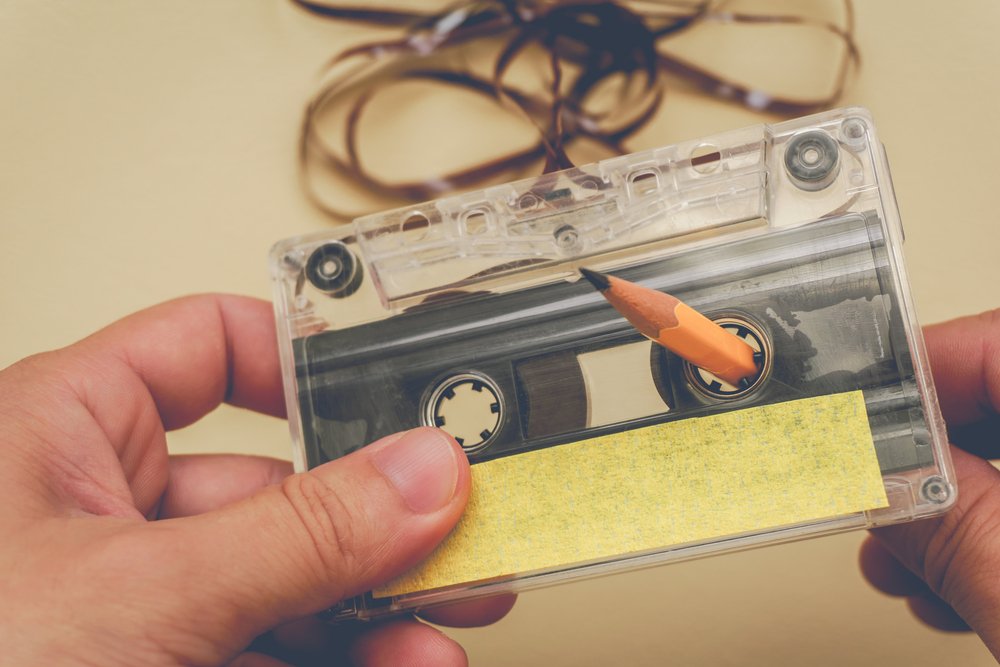
There was a certain terror that came with hearing your favorite mixtape sputter and stop mid-song. That moment of silence followed by the horrifying crunch of magnetic tape being eaten alive by your Walkman or boombox could stop a kid’s heart cold. But if you reached for a pencil, you were ready for battle. Slotting it into the cassette reel and slowly winding the tape back in place felt like disarming a bomb with nothing but instinct and elbow grease.
When the music returned like nothing happened, the relief was instant. You didn’t just save a song—you saved the entire Saturday afternoon. It was a rite of passage, a quiet flex of DIY tech knowledge, and somehow made that cassette even more special. Kids today may never know the panic of tape guts spilling into your lap, but for those who lived through it, this analog rescue mission was an early badge of tech honor.
Blowing into Nintendo Cartridges
Everyone who owned a Nintendo Entertainment System knew this secret fix. You’d pop in Super Mario Bros., hit the power button, and stare at a blinking screen of doom. No picture. No game. No fun. But you didn’t panic. You pulled out the cartridge, gave it a good, dramatic blow across the metal contacts, and slid it back in like you were rebooting the future. And more often than not, it worked.
There was no internet to confirm whether it was truly effective or just a placebo, but to every 80s kid, it was science. It was a ritual. It was power. That gentle puff of breath felt like magic and gave you the kind of confidence that only came from beating the system—literally. It was a shared language across living rooms everywhere, the universal trick that turned tech failure into victory with a simple breath and a stubborn second try.
Recording Songs Off the Radio Without the DJ Talking Over
Timing was everything. You’d sit by the stereo, finger on the record button, waiting for that one perfect song to hit the airwaves. Then the DJ would talk over the intro. Or worse, jump in right before the final chorus. Still, when you managed to catch the full track cleanly on your cassette, it felt like winning the lottery. You created your own playlist before the word playlist even existed.
There was pride in curating your perfect mixtape, taping over commercials, labeling the case just right. And if you caught the Top 40 countdown without interruption? You were a legend. This wasn’t just about music. It was about precision, patience, and passion. Those cassettes became treasures, full of static-laced anthems and the kind of commitment that makes today’s streaming seem a little too easy. For the kids of the 80s, making a mixtape was an art form born of radio, reflexes, and sheer willpower.
Programming the VCR Without the Manual
Setting the VCR to record a show while you weren’t home was like programming a rocket ship. There were blinking lights, buttons labeled with mysterious acronyms, and the looming fear of recording the wrong channel or, worse, nothing at all. If you managed to actually tape The A-Team without cutting off the last five minutes or getting a cooking show by mistake, you were basically a genius.
VCR programming was a quiet competition among family members. Parents would call in the kids to figure it out, and if you nailed it, your status at home skyrocketed. You were the keeper of prime-time memories, the guardian of taped reruns. This wasn’t just technology. It was trust. You had one shot to hit record and get it right. And when you did, the payoff was golden. Rewatching a perfectly taped episode felt like you had tamed the future one blinking clock at a time.
Adjusting the TV Antenna Just Right
Trying to get a clear signal on an old television set sometimes felt like a choreographed dance. You’d hold the rabbit-ear antenna just so, maybe angle it toward the window, or wrap it in tinfoil for that extra boost. Someone would shout from across the room, “There, hold it! Don’t move!” And you’d stay frozen in place like a statue while the rest of the family watched the big game or Saturday morning cartoons.
It was low-tech magic. Every tiny adjustment brought new waves of fuzz, then clarity, then more fuzz. But when the picture finally settled into place, the satisfaction was real. You made the show happen. You were the living remote control, the human satellite dish. That kind of trial and error taught a whole generation the art of patience, adaptability, and the value of a strong signal. In today’s world of digital perfection, that old battle with static and snow almost feels poetic.
Saving a Computer File on a Floppy Disk Without Losing It
Before cloud storage and autosave were even dreams, saving a document meant clicking “save” and then hoping for the best. You had to insert the floppy disk just right, navigate through a primitive interface, and pray the file didn’t disappear into the digital abyss. If you remembered to label the disk and didn’t accidentally overwrite another project, you were operating on a level of mastery that schools never taught.
Floppy disks had limited space, so learning how to name files concisely and store just the essentials became second nature. And the click of that metal slider shutting felt like locking up treasure. When the computer beeped in confirmation, it wasn’t just a sound. It was triumph. It meant you won the battle against early computer chaos and kept your work alive another day. For 80s kids learning basic computing in school or at home, managing a floppy was your first taste of data responsibility.
Dialing Up with a Modem Without Interrupting the House Phone
Trying to get online in the late 80s and early 90s was a delicate operation. You’d plug in the modem, wait through that screeching digital handshake, and cross your fingers that no one picked up the phone mid-connection. One incoming call and the whole thing could collapse. If you managed to sneak online without disturbing your family’s landline, you were basically a hacker in your own house.
This balancing act taught digital stealth before stealth was cool. Kids learned to plan, to wait until after dinner, and to whisper “Don’t pick up the phone!” before disappearing into a world of bulletin boards and pixelated chatrooms. It wasn’t just about getting online—it was about timing, negotiation, and tactical patience. And when it worked? You felt like you had uncovered a secret passage to the future, all while dodging your mom’s incoming call from Aunt Linda.
Changing TV Channels Without the Remote
There was something oddly heroic about being the one to sit closest to the TV. You were the designated channel changer, the human remote, the person responsible for twisting that dial with just the right amount of force. If you could switch from Channel 3 to Channel 7 without overshooting and missing it, you were a certified pro.
Kids today might not understand the satisfaction of that tactile click or the mini workout it took to adjust volume and picture settings. But back then, navigating the TV without a remote was normal. Some households used a pair of pliers because the knob had long since vanished. Others had a choreographed system of shouts and commands. Either way, getting the right channel meant more than convenience—it meant mastery over the machine. You earned your evening cartoons or late-night reruns one precise click at a time.
Taping Over the Right Part of a VHS
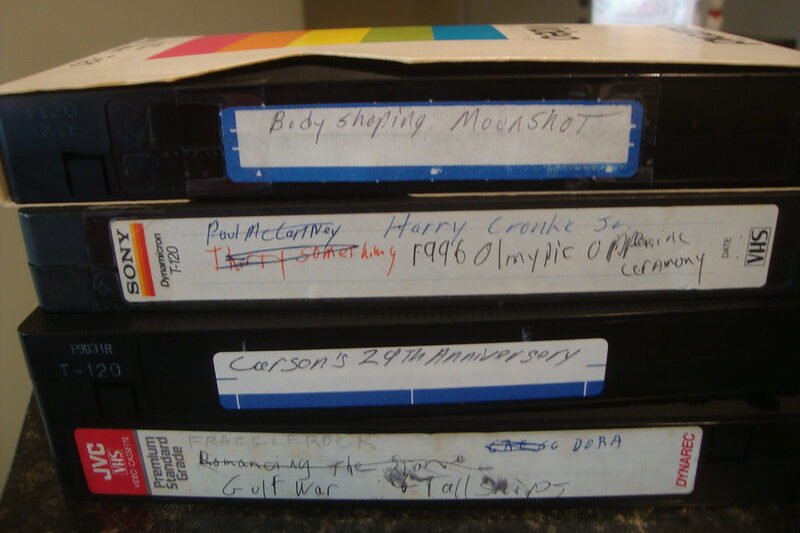
Recording over a VHS tape took strategy. You had to fast-forward to the exact moment the old content ended, stop at the blank stretch, and then hit record with surgical precision. One false move and you’d record over your sibling’s birthday party or last week’s episode of Knight Rider. But if you got it right? You saved space, saved time, and looked like the most organized person in the house.
This was the pre-digital version of file management. You learned to calculate run times, preserve cherished recordings, and even label tapes in your best handwriting. Taping over a rerun to make space for a season finale was a big decision. And those little stickers you peeled off the tabs to protect your recordings? That was early data encryption. The whole process demanded focus, care, and a little bit of luck. But when it worked, you walked away feeling like Spielberg in sweatpants.
Installing a Game from Multiple Floppy Disks
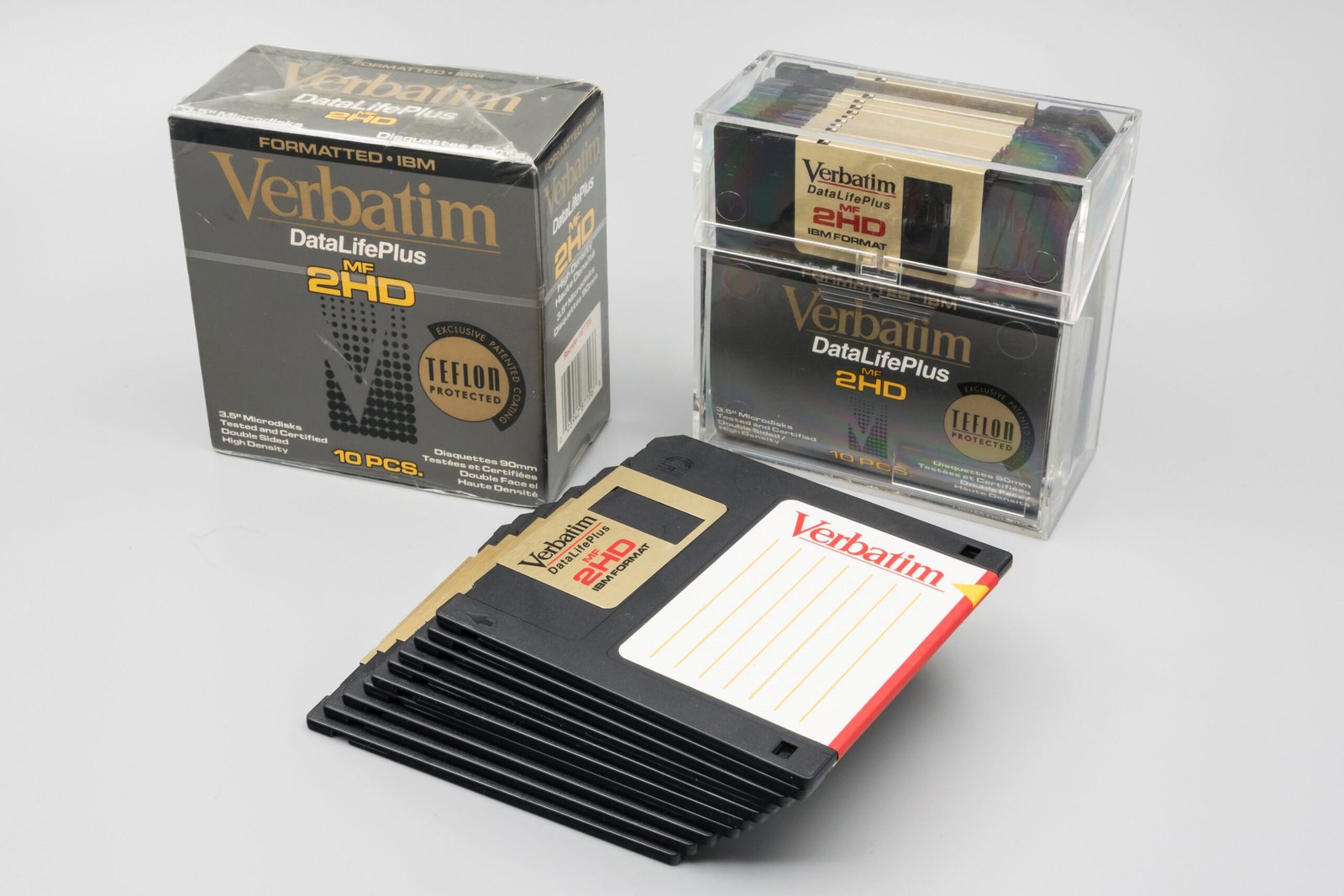
Some PC games in the 80s came with more floppy disks than a kid had fingers. You’d pop in Disk 1, watch a few loading lines, then be prompted to insert Disk 2, then Disk 3, and so on. If you made it all the way to the end without a corrupted file or a wrong click, you felt like a master technician. The patience required wasn’t for the faint of heart.
Each successful disk felt like a checkpoint, and by the time you launched the game, you already felt like you’d achieved something. Whether it was Oregon Trail or King’s Quest, the installation process was its own mini game of persistence and precision. And if the game actually played without crashing? That was the reward for all your effort. Today’s one-click installs have their perks, but they’ll never deliver that same sense of earned satisfaction from getting a game up and running the old-school way.