
Evelyn Nesbit Was the Face Everyone Knew but History Forgot
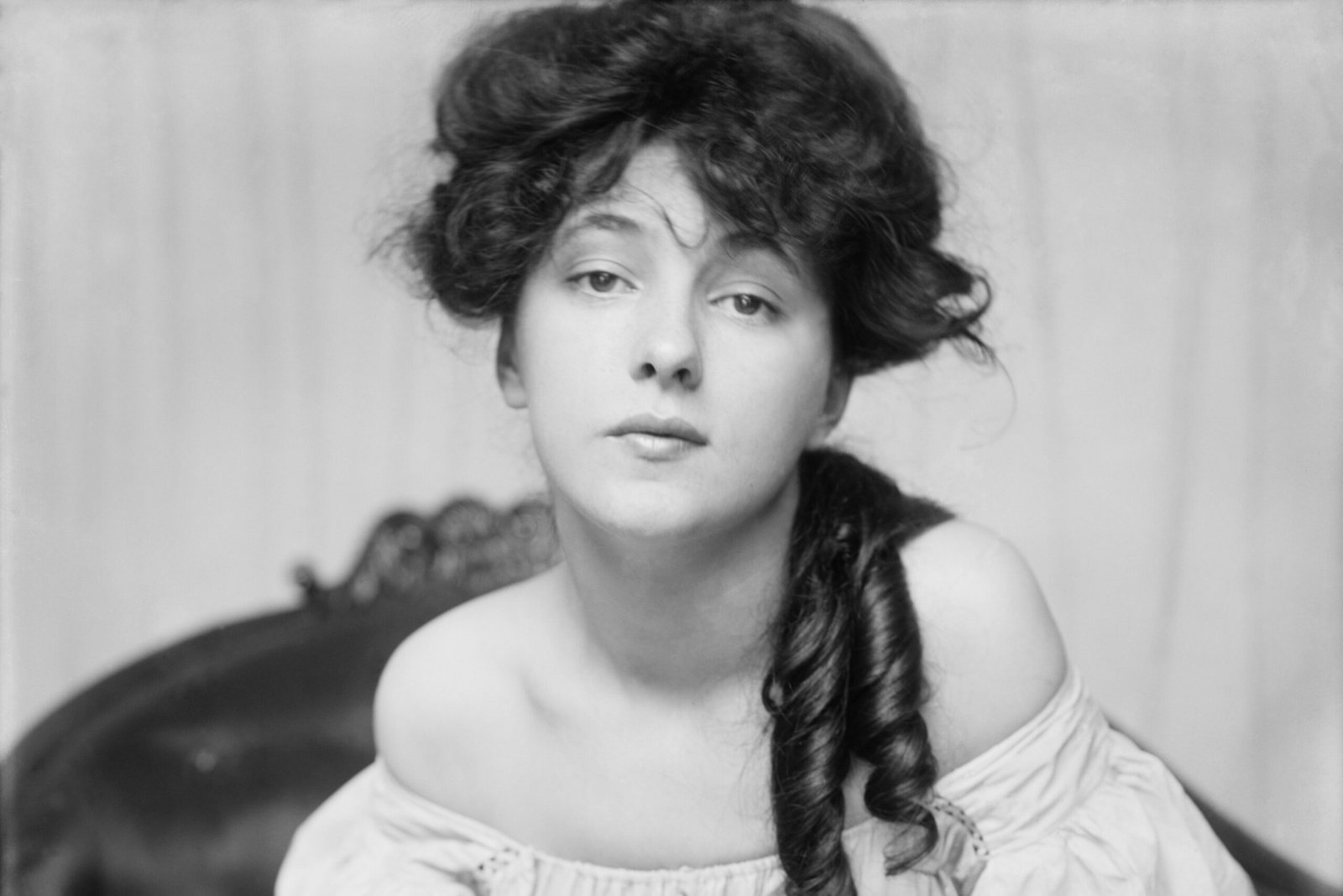
In the early 1900s, Evelyn Nesbit’s image was everywhere. She was the original “It Girl,” with a beauty that graced magazine covers, advertisements, and murals long before social media or television existed. At the height of her fame, people knew her name more than they did politicians. Even President Theodore Roosevelt was said to have been familiar with the scandal that made her infamous, the love triangle involving millionaire Harry Thaw and architect Stanford White that ended in murder.
But after the courtroom drama faded and time marched on, Evelyn Nesbit’s name disappeared from public memory. Her fame, once blinding, was reduced to a footnote in American history books and silent film archives. Yet in her day, she defined beauty and celebrity in a way that laid the groundwork for future starlets. Her story is a reminder of how fast the spotlight fades, and how some of the loudest names in their time are barely whispers today.
John Gilbert Was the King of the Silent Screen
Long before the rise of talkies, John Gilbert was the man every woman adored and every man envied. Known as “The Great Lover” of the silent film era, Gilbert rivaled even Rudolph Valentino in popularity. With piercing eyes and a magnetic screen presence, he commanded box offices and captivated audiences worldwide. Studio heads banked on him to sell out theaters, and gossip columns couldn’t get enough of his romance with Greta Garbo.
Then came sound, and with it, Gilbert’s fall. Rumors swirled about his unsuited voice or poor studio politics, but whatever the reason, his career took a nosedive. Once a superstar as recognizable as any political figure, Gilbert’s fame faded so completely that few today recall just how dominant he once was. He reminds us that even at the top, stardom is fragile, and sometimes it isn’t talent that makes someone disappear—it’s the evolution of technology and timing.
Fanny Brice Lit Up Vaudeville and Then Slipped Away
Before Barbra Streisand portrayed her in Funny Girl, Fanny Brice was a household name in her own right. As a star of vaudeville and a founding member of the Ziegfeld Follies, Brice’s comedic timing and musical talent made her a sensation. Her character “Baby Snooks” was a hit on radio, and she bridged the gap between stage, sound, and screen in a way few performers managed to do.
Despite her massive influence in shaping American entertainment and pioneering female comedy, Fanny Brice isn’t often mentioned alongside icons like Charlie Chaplin or Lucille Ball. Her legacy is mostly kept alive through fictional portrayals rather than genuine public memory. Still, in her heyday, she was as big as any politician and certainly more beloved. Fanny’s story reflects how women in comedy had to fight for space, and how their groundbreaking contributions are too easily forgotten once the curtain falls.
Bert Williams Broke Barriers but Was Erased Too Soon
Bert Williams was a superstar before the word even existed. As one of the first African American performers to gain mainstream success in the early 20th century, he headlined shows at a time when most stages were closed to Black entertainers. He was part of the famed Ziegfeld Follies, sold hundreds of thousands of records, and drew praise from audiences across racial lines. His humor was sharp, his performances layered with wit, and his presence on stage revolutionary.
Despite all that, Bert Williams is rarely remembered today. His contributions to comedy, theater, and racial progress in entertainment have been overshadowed by later movements and bigger names. But in his time, he was a giant—a symbol of talent transcending boundaries. Forgetting someone like Williams isn’t just a loss of memory. It’s a loss of cultural history that deserves to be brought back into the spotlight for everything it represented.
Elsie Janis Was the Star Who Entertained a Nation at War
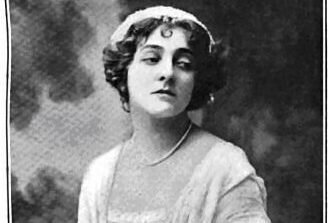
During World War I, Elsie Janis was more than just a singer and performer, she was a national morale booster. Known as “The Sweetheart of the AEF,” she traveled to entertain American troops overseas, becoming a symbol of hope and home for soldiers in the trenches. Her comedic songs and fearless energy turned her into one of the most beloved public figures of her era. Presidents recognized her name, and newspapers hailed her as a national treasure.
But like many women in early entertainment, her fame didn’t last. As the 1920s roared in with new stars and louder jazz, Janis quietly stepped out of the spotlight. Today, she’s barely remembered outside of military history or obscure film circles. Yet, her story reminds us of how fame is often tied to the moment it rises in. Elsie Janis gave everything to a country at war, and her laughter echoed through the darkness long before history forgot her name.
Billy Sunday Was America’s Preacher Superstar
In the early 20th century, Billy Sunday wasn’t just a preacher—he was a national spectacle. A former baseball player turned evangelist, Sunday filled tents and auditoriums across the United States with sermons so fiery and theatrical they felt more like revival rock concerts than religious gatherings. Tens of thousands flocked to see him speak, and newspapers followed his crusades as closely as they followed presidential campaigns. His voice carried moral authority, and his opinions influenced public policy.
But as America modernized and faith movements shifted, Billy Sunday’s style fell out of fashion. His name faded from household memory, even though his impact on American culture was enormous. In his prime, he was considered more influential than some of the politicians in office, and his ability to shape minds and moods was unmatched. Today, few remember the energy he brought to pulpits and stadiums, yet for a time, he was a spiritual celebrity unlike any other.
Theda Bara Was the Original Hollywood Vamp
Long before the age of Instagram glam or Hollywood bombshells, Theda Bara created the archetype of the dark, mysterious femme fatale. She starred in silent films as the ultimate seductress, often dressed in exotic costumes that shocked and thrilled early 1900s audiences. Her portrayal of Cleopatra in 1917 made her a global icon, and her name became synonymous with danger, allure, and female power. She was one of the first actresses to be fully crafted as a studio persona, marketed with a mystique that drew massive crowds.
But with most of her films lost to time and her screen era quickly eclipsed by talkies, Theda Bara became one of Hollywood’s forgotten queens. Despite once being more recognizable than some presidents, she rarely gets credit for helping to shape the early image of a movie star. Her reign was brief, but her influence laid the foundation for generations of screen sirens. She proved that image could be as powerful as voice.
Paul Whiteman Was Once the King of Jazz
Before Duke Ellington or Benny Goodman became jazz legends, Paul Whiteman was the man who claimed the crown. In the 1920s, he was known as the “King of Jazz” and led one of the most popular dance orchestras in America. His influence stretched from coast to coast. He helped bring jazz into mainstream music halls and commissioned George Gershwin’s Rhapsody in Blue, which premiered with Whiteman’s orchestra to great acclaim.
Despite his massive popularity, Whiteman’s name has been largely eclipsed by the very genre he helped popularize. His style of orchestral jazz fell out of favor as more authentic, improvisational forms took over, and his contribution to music history was quietly buried beneath newer, bolder sounds. But in his heyday, his name was as big as any leader in Washington. He demonstrated how one man’s vision could take a fringe art form and transform it into a national obsession.
Frances Farmer Was a Hollywood Starlet Turned Tragedy
Frances Farmer was poised to become one of the greats. A classically trained actress with haunting beauty and undeniable presence, she starred in a string of 1930s and 40s films that caught the attention of critics and fans alike. But it was her off-screen life that captured the nation’s morbid curiosity. After a series of mental health struggles and controversial statements, Frances became the subject of endless headlines. Her institutionalization shocked the public, and her career unraveled before she had the chance to fully rise.
Though she was once as widely discussed as any world leader, Frances Farmer’s legacy was overshadowed by myth, misunderstanding, and silence. Later generations vaguely recognized her name through whispered stories or the 1982 biopic starring Jessica Lange. Still, her voice and talent had once held as much weight as any power figure. Her life story serves as a sobering reminder of how fame and vulnerability often collided in the golden age of Hollywood.
Joe Penner Made America Laugh Before Sitcoms Did
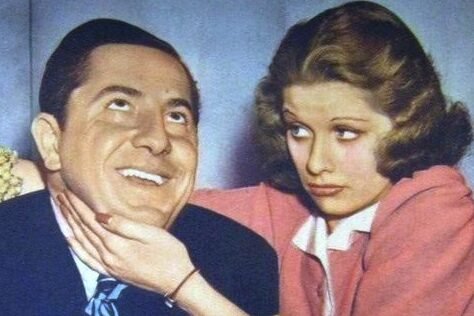
In the 1930s, Joe Penner was the face of comedy. With catchphrases like “Wanna buy a duck?” and a goofy delivery that delighted radio audiences coast to coast, Penner was the kind of star whose humor brought families together around the radio. He was so famous that his name was mentioned in Warner Bros. cartoons and referenced in variety shows. At his peak, he was one of the most recognizable voices in entertainment.
But comedy is cruel to memory. As humor evolved and new voices emerged, Penner’s style was seen as outdated, and he quickly faded from the spotlight. By the time television took over, his name had already slipped into obscurity. Yet for a time, Joe Penner helped shape what it meant to be funny on the airwaves. He proved that laughter could travel across wires and reach hearts before TV made it easy. And even if history forgot him, the ripple of his humor still echoes today.