
1. Bob Keeshan – Captain Kangaroo
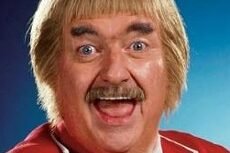
Before he became Captain Kangaroo, Bob Keeshan played Clarabell the Clown on The Howdy Doody Show. But it was his slow-paced, gentle-mannered persona on Captain Kangaroo that cemented him as a childhood TV icon. From 1955 to 1984, he welcomed children with kindness, patience, and wisdom that transcended the typical children’s show.
While Captain Kangaroo was nationally syndicated, Keeshan’s style and values made it feel like a local visit from a trusted friend. He wasn’t just hosting a show. He was shaping generations. Experts often point to his programming as a counterbalance to fast-paced, overstimulating content, offering an almost therapeutic pace that nurtured emotional development in young viewers.
2. Soupy Sales – Lunch with Soupy Sales
Detroit kids in the 1950s knew one thing. Lunch was never boring with Soupy Sales. Mixing slapstick comedy, puppetry, and jazz, Soupy created a show that felt more like a party than a program. His pie-throwing antics and quirky fourth-wall breaks made him a cult figure across multiple cities where his show was syndicated.
While his show’s format evolved, Sales himself became the brand. Parents loved him. Kids adored him. And even celebrities lined up to take pies to the face. He didn’t just entertain. He shaped local television into a playground of improvisation and rebellion. In many ways, Soupy Sales was doing meta comedy before it had a name.
3. Nancy Claster – Miss Nancy from Romper Room
Long before interactive TV was a thing, Miss Nancy Claster was calling kids out by name through the magic mirror on Romper Room. Her calm voice and sincere gaze made children believe she could actually see them watching. And in a way, she could. Because every child felt personally seen by her.
Though many women played Miss Nancy in different regions, Nancy Claster was the original and the standard. She created the show in 1953 in Baltimore and helped turn it into a syndicated classic. But in local markets, she was more than a host. She was an educator, a nurturer, and in the eyes of many kids, a second mom.
4. Bob Bell – Bozo the Clown (Chicago Version)
While there were many Bozos around the country, none were more beloved than Chicago’s Bob Bell. For over two decades starting in 1960, Bell’s portrayal of Bozo became the definitive version. He wasn’t just a clown. He was the ringleader of after-school joy, bringing contests, comedy, and carnival-like chaos into homes every weekday.
What made Bell stand out was his uncanny ability to connect with children without condescension. Kids didn’t just laugh. They trusted him. And in the pre-cable era, Bozo was often the first celebrity kids would ever meet in person. Bob Bell made Bozo a local institution, outshining the show’s format and becoming a symbol of Chicago childhoods.
5. Fred Rogers – Mister Rogers’ Local Beginnings
Before he became a national treasure, Fred Rogers started small, producing a local program called The Children’s Corner in Pittsburgh during the 1950s. It was there he created early versions of the puppets that would later inhabit the Neighborhood of Make-Believe. And even then, his signature gentleness and sincerity stood out.
Though Mister Rogers’ Neighborhood went national by 1968, many Pittsburghers remember when he felt like their own. Rogers embodied the idea that local television could be a force for good. He wasn’t just a host. He was a moral compass in a cardigan, teaching empathy, self-worth, and kindness in a world that often forgot to.
6. Janette Lane Bradbury – Miss Jean from Romper Room (Los Angeles)
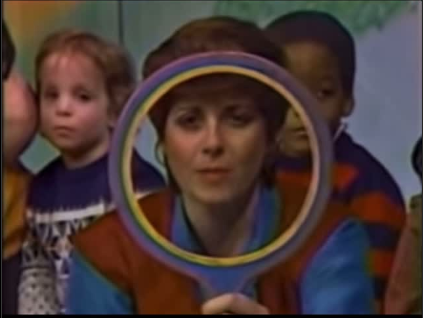
While the original Romper Room was created in Baltimore, Los Angeles kids knew and loved their very own host, Miss Jean. Janette Lane Bradbury stepped into the role in the early 1960s and quickly became the embodiment of calm, cheerful authority. With her gentle voice and poised demeanor, she created a comforting world where manners mattered and imagination ruled.
She didn’t just host a kids’ show. She helped raise a generation of Southern California children. Her version of Romper Room aired on KTTV Channel 11 and stayed in hearts long after it left the air. For many who grew up in L.A., Miss Jean was the first grown-up who made them feel seen, heard, and safe. All before naptime.
7. Bill Jackson – Gigglesnort Hotel and Cartoon Town
If you were a kid in Chicago in the 1970s, Bill Jackson was practically family. He created not one but several shows that blended puppetry, hand-drawn animation, and a lovable weirdness that couldn’t be faked. His most famous was Gigglesnort Hotel, which featured talking fossils, sassy bellhops, and Jackson himself as the calm voice of reason in a world of madness.
Unlike other children’s hosts, Jackson also built the puppets and sets himself, which made everything feel personal. He brought a craftsman’s love to local television and treated kids like the intelligent, curious beings they were. Long after the shows ended, Jackson was remembered more than the zany worlds he created. Because he was the heart of them.
8. John Zacherle – Zacherley the Cool Ghoul
In Philadelphia and later New York, John Zacherle brought a spooky twist to the local TV landscape. As Zacherley, the ghoulish yet lovable horror host, he introduced B-movies with a wink and a grin, becoming an overnight sensation with kids and adults alike. His show was creepy, yes, but never mean. It was campy fun laced with clever satire.
Zacherley’s persona quickly eclipsed the movies he aired. People tuned in more for his wisecracks and dark charm than for the monster flicks themselves. In a sea of horror hosts, he became a blueprint. He made fright feel friendly and local TV feel like a haunted house run by your favorite uncle.
9. Dick Williams – Magicland
Memphis had a true gem in Dick Williams, the host of Magicland, which aired every Sunday morning for over 20 years. Williams was a professional magician who brought real sleight-of-hand, charisma, and warmth to a simple studio set. He didn’t just perform tricks. He inspired wonder in kids who were watching in their pajamas with cereal bowls in hand.
Unlike flashy illusionists on national stages, Williams stayed approachable. He reminded audiences that magic could be small, close-up, and personal. By the time the show ended in 1989, Magicland had become the longest-running magic show in TV history. And to Memphis kids, Dick Williams wasn’t just a magician. He was magic.
10. Cowboy Bob – Bob Glaze from Indiana’s Cowboy Bob’s Corral
Dressed in fringe and cowboy boots, Bob Glaze brought a gentle Western vibe to WTTV in Indiana. Cowboy Bob’s Corral wasn’t about shootouts or desert drama. It was about kindness, good manners, and sing-alongs. Glaze connected with kids not through flash but through consistency and charm.
He read viewer mail, introduced cartoons, and talked to kids like they were his little neighbors. His show ran from the 1970s into the 1980s, and for many Midwesterners, it remains a cherished part of childhood. Cowboy Bob didn’t need a big network or Hollywood polish. He just needed a hat, a smile, and a whole lot of heart.
11. Captain Chesapeake – George A. Lewis from Baltimore
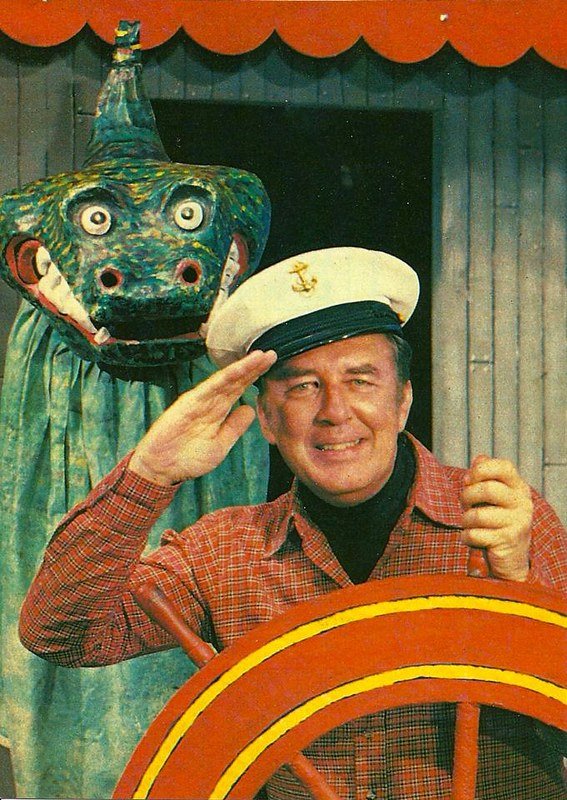
On WBFF-TV in Baltimore, Captain Chesapeake was the local hero sailing through the television waves from 1971 to 1990. Played by George A. Lewis, he wore a simple naval uniform and introduced cartoons, fielded mail from kids, and reminded everyone to be somebody important, be yourself. That line alone stuck in thousands of heads and hearts.
Captain Chesapeake’s charm was his simplicity. The show had no flashy graphics or massive budget. What it had was warmth, consistency, and a quiet message of self-worth delivered by a man who really believed it. Lewis became more than a host. He became a part of Baltimore’s cultural fabric, remembered more vividly than many of the cartoons he introduced.