
1. Smoking Everywhere Was Totally Normal
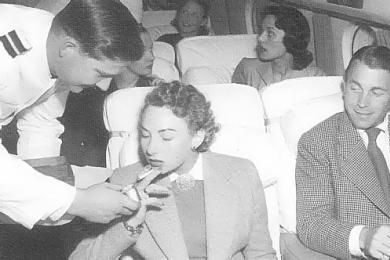
In the 1950s, smoking wasn’t just accepted. It was everywhere. People lit up at work, on airplanes, in restaurants, and even hospitals. Cigarette ads pitched smoking as stress relief and weight loss, targeting everyone from doctors to mothers. Public health concerns were barely acknowledged. Secondhand smoke wasn’t even a term, and lung cancer wasn’t yet strongly linked to tobacco use in the public’s mind.
Today, smoking in public places is heavily restricted, and anti-smoking campaigns are widespread. Reports show that adult smoking dropped from over 40% in the 1950s to just 11.5% now. What was once a common habit is now viewed as a public health hazard. Education, regulations, and cultural shifts have made a difference. In less than a century, society has redefined cigarettes from status symbol to danger warning and that shift has saved millions of lives.
2. Segregation Was Legal and Enforced
In the 1950s, racial segregation wasn’t just a Southern custom. It was the law across much of the United States. Black Americans were forced into separate schools, bathrooms, water fountains, and even bus sections under Jim Crow laws. These restrictions created generational barriers to education, employment, and dignity. The system upheld the illusion of “separate but equal,” but in reality, it meant deeply rooted inequality and everyday humiliation.
The 1954 Brown v. Board of Education decision began dismantling school segregation, but change came slowly. It took marches, protests, and legislation to start addressing injustice. Today, legal segregation is unthinkable, but systemic racism remains a battle. Reflecting on this history reminds us that progress isn’t automatic. It’s earned. Awareness of our past helps guide our fight for equal opportunity, and for some, the scars of segregation still shape their lived reality.
3. Women Needed a Man’s Permission for Basic Things
Life for women in the 1950s was rigidly controlled by tradition and often the law. Many banks refused to let a woman open an account or apply for a loan without a male co-signer. In some workplaces, being married disqualified women from being hired. Even seeking medical care or getting a passport could require a husband’s consent. Independence wasn’t just discouraged. It was often legally denied.
This system wasn’t just old-fashioned. It was deeply embedded in finance, government, and social expectations. Today, laws like the Equal Credit Opportunity Act ensure financial equality. Cultural shifts also mean women can live independently and pursue careers freely. While gender bias still exists, the idea that a woman needs permission to access basic life resources is not just outdated. It’s unacceptable. The progress may feel obvious now, but it’s rooted in decades of determined advocacy.
4. Children Rode in Cars Without Seat Belts
If you were a kid in the 1950s, chances are you rode in the car standing up, climbing over seats, or even sprawled out in the back window. Seat belts weren’t required and often weren’t installed at all. Parents didn’t think twice about tossing kids into the front seat or driving without any restraints. Car seats? Those were rare and not designed with crash safety in mind.
Fast forward to now, and it’s hard to imagine any of that flying under the radar. Child passenger safety laws are in place nationwide, and car seats are extensively tested for specific age and weight ranges. According to the NHTSA, properly used car seats reduce fatal injuries by over 70% for infants. What was once carefree now looks careless. The shift from freedom to safety has likely saved thousands of young lives.
5. Doctors Promoted Formula Over Breastfeeding
In the 1950s, breastfeeding wasn’t considered modern. It was seen as outdated or even primitive. Hospitals regularly handed new moms formula samples before they left. Doctors, influenced by aggressive marketing from formula companies, promoted bottle feeding as more scientific and convenient. Many women were shamed out of breastfeeding altogether, especially in public or professional spaces.
Today, health experts widely recommend breastfeeding as the best option for newborns. It boosts immunity, supports bonding, and promotes healthy growth. The American Academy of Pediatrics advises exclusive breastfeeding for six months. Though formula remains a safe and necessary option for many, the cultural and medical narrative has shifted. Mothers are now more empowered to make informed choices based on science and support. The reversal of this norm reflects how much parenting and public health have evolved.
6. Corporal Punishment Was Standard Parenting

Discipline in the 1950s often meant physical punishment, and it was entirely normalized. Parents spanked with belts, switches, or wooden spoons. Teachers had paddles in classrooms, and few questioned whether it caused harm. Soap in the mouth was a go-to for swearing. The idea was that physical discipline “taught respect” and built character, not that it could harm emotional well-being.
Now, research tells a very different story. The American Psychological Association links corporal punishment to long-term effects like aggression, anxiety, and lower self-esteem. Many schools have banned it, and modern parenting leans toward empathy, communication, and consequences that don’t involve pain. Though older generations often defend the practice with “It never hurt me,” today’s data reveals real psychological risks. The shift in parenting isn’t about going soft. It’s about choosing approaches proven to nurture healthy, well-adjusted children.
7. Women Weren’t Allowed in Many Career Fields
In the 1950s, a woman’s career choices were severely limited. Even if she had the skills or education, most paths led straight to the secretary’s desk, the classroom, or the home. Ambitious women were often told to pursue “lady jobs” or face social judgment. Engineering, law, and medicine were considered off-limits, and gender bias was institutionalized from hiring to promotions.
Today, women are breaking boundaries in every field imaginable. Though glass ceilings still exist, representation has skyrocketed in STEM, leadership, and politics. Girls are now raised to believe they can be anything from astronauts to CEOs, and those beliefs are increasingly backed by opportunity. What was once radical is now expected. This shift didn’t happen overnight. It took decades of advocacy, legislation, and trailblazing women to prove that talent doesn’t come with a gender label.
8. Mental Health Was Taboo and Institutionalized
In the 1950s, if someone suffered from depression or anxiety, they were often hidden away. Mental illness wasn’t understood, let alone discussed. Those struggling were sometimes institutionalized indefinitely or given treatments like electroshock therapy without consent. Rather than receiving support, they were branded as unstable or shameful, and their voices were often silenced completely.
Today, mental health is finally part of the mainstream conversation. Access to therapy, medication, and community support has dramatically improved. Mental illnesses are now seen as medical conditions, not moral failures. While stigma still exists, the cultural tide has shifted toward compassion and awareness. Campaigns, social media, and public figures have helped normalize asking for help. We’ve come a long way from viewing emotional struggles as something to hide. Now, seeking mental health support is seen as a strength, not a secret.
9. LGBTQ+ Identities Were Criminalized
Living openly as LGBTQ+ in the 1950s was dangerous. Homosexuality was classified as a mental illness, and laws criminalized same-sex relationships. People were arrested, fired from jobs, and even institutionalized simply for expressing who they were. Fear, secrecy, and shame were often the only options for survival. There was little to no public support and absolutely no legal protection.
Today, while the fight for equality isn’t over, enormous progress has been made. Marriage equality, anti-discrimination laws, and increased representation have helped reshape public perception. Pride celebrations and LGBTQ+ role models now play an essential role in promoting inclusion. Social media and education have given younger generations safer spaces to express themselves. The change didn’t come easy. It came from decades of activism, resilience, and community support. What was once illegal is now protected in many places, reminding us of how far we’ve come.
10. Husbands Could Legally Control Their Wives
In the 1950s, marriage gave men legal and social control over their wives. Husbands could manage all the money, restrict movement, and even make medical decisions without input from their spouse. Marital rape wasn’t legally recognized, and a woman had limited rights in court. Divorce was stigmatized, especially for women, who often lost custody, income, and social standing.
Today, marriage is based more on partnership than power. Legal systems have evolved to recognize spousal autonomy and equal rights. Financial independence and shared decision-making are now expected in most marriages. Abuse, once silenced or ignored, is being addressed more openly through advocacy and legal reform. While not all relationships are equal, the law no longer supports male dominance. This evolution didn’t just make marriage fairer. It made it safer and more empowering for everyone involved.
11. Advertising Was Blatantly Sexist
If you want to see how far we’ve come, just look at a 1950s ad. Women were portrayed almost exclusively as housewives obsessed with cleaning, cooking, or pleasing their husbands. Men were the decision-makers, breadwinners, and authority figures. Ads told women their worth was in their looks or ability to serve, and society accepted it as normal.
Today, those vintage ads look cartoonishly offensive. Brands are now challenged to show diversity, equality, and real stories. Sexist marketing still slips through, but public backlash is swift. We’ve traded jingles about “perfect housewives” for campaigns about confidence and empowerment. This cultural shift reflects how consumers now expect respect, not stereotypes, from the companies they support. The transformation isn’t perfect, but we’re light-years ahead of ads that once told women to buy this soap or lose your man.
12. People Trusted Everything on TV and in the News
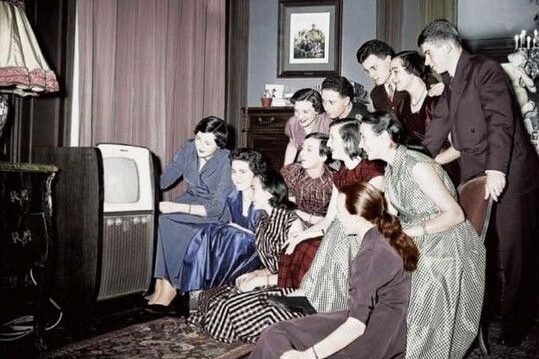
In the 1950s, news anchors were trusted almost without question. Whatever came from the radio, newspapers, or nightly broadcasts was assumed to be fact. There was little diversity in viewpoints, and few people challenged what they saw on screen. For many Americans, media wasn’t just a source of news. It was the only one they believed.
Today, we know better. With the rise of misinformation and digital overload, media literacy has become essential. People fact-check, question, and compare sources. Trust in news is no longer automatic, and that’s not all bad. It means audiences are more informed, critical, and engaged. The days of blind trust are over, but the opportunity for smarter media consumption has arrived. What was once a passive experience is now an interactive one, and we’re better equipped for it.