
1. King Arthur
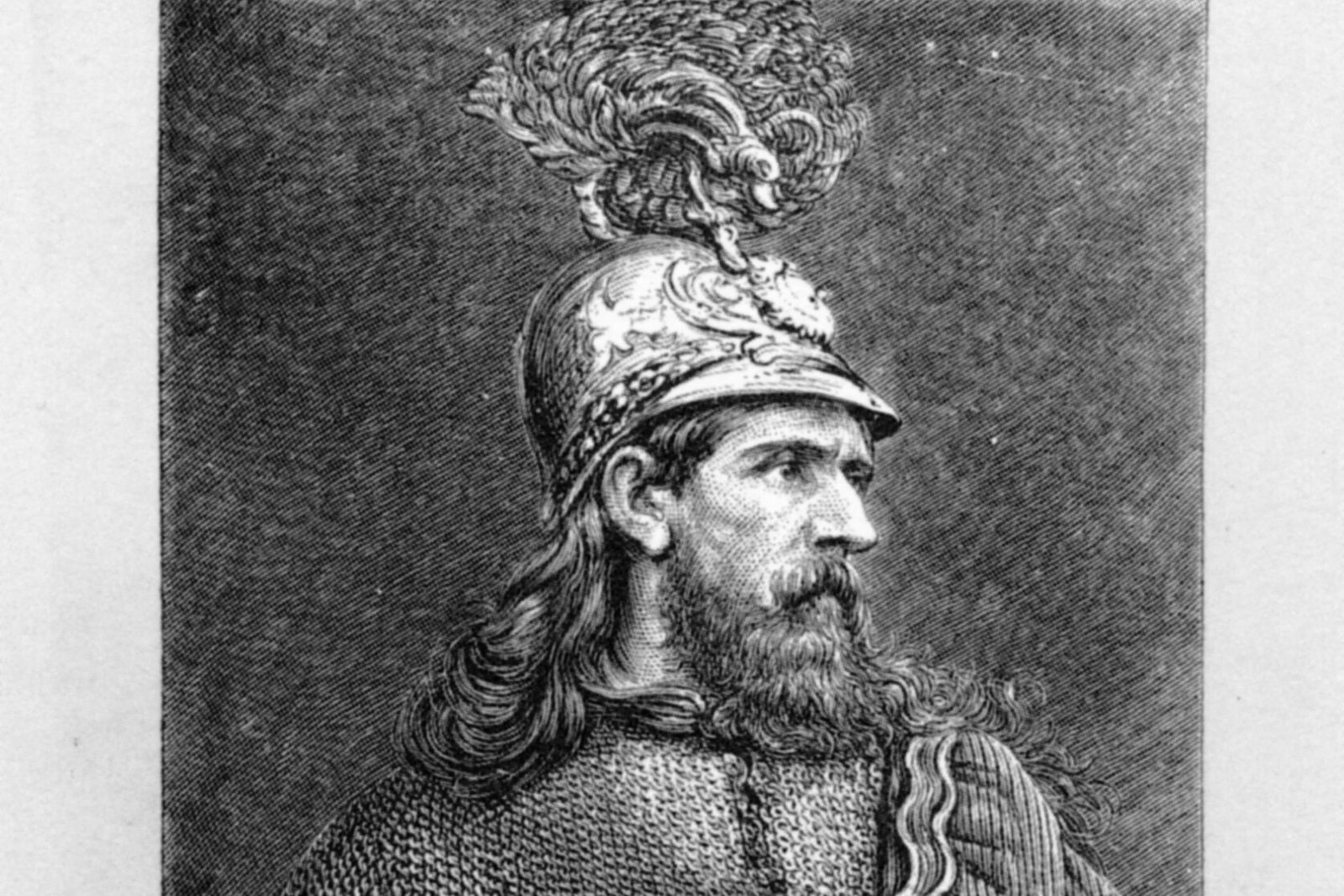
The tale of King Arthur, Camelot, and the Knights of the Round Table is among the most enduring legends in Western history. But historians now question whether Arthur ever existed at all. Early mentions appear in ninth-century Welsh texts, far removed from the era he supposedly lived in. Modern scholars think Arthur is more likely a symbolic creation or a fusion of several war leaders who resisted Saxon invasions in early Britain.
Instead of a singular historical figure, Arthur could represent a romanticized ideal of leadership. The elaborate stories of Excalibur and Merlin emerged much later through medieval literature and were shaped by political and cultural needs of their time. Despite a lack of concrete archaeological or historical proof, King Arthur lives on through films, books, and folklore, an imagined hero whose legendary presence still captivates generations even if he never truly walked the Earth.
2. Robin Hood
The story of Robin Hood, stealing from the rich to give to the poor, has enchanted audiences for centuries. Yet historians struggle to identify any single outlaw that matches his legendary deeds. The earliest ballads, dating to the 14th century, mention no real identity, and the tales changed significantly across time and region. Scholars believe Robin Hood is likely a symbolic character, inspired by various local folk heroes and tales of rebellion.
Rather than one real man, Robin may represent a cultural yearning for justice and defiance against oppressive rule. His Sherwood Forest adventures and merry band of outlaws reflect social values more than historical facts. Though many locations and figures are tied to his legend, none are conclusively proven. Robin Hood’s myth continues to evolve, proving that sometimes a fictional hero can feel more real and more relevant than anyone ever found in the history b
3. Pythagoras
Pythagoras is a name most people associate with triangles, but historians now believe he might never have existed as described. The man credited with the Pythagorean Theorem left no writings of his own, and most accounts of his life came centuries after he supposedly lived. These reports came from followers in a secretive philosophical sect that often attributed mystical powers and divine wisdom to their leader, further muddying historical accuracy.
Rather than a lone mathematical genius, Pythagoras may have been a symbolic figurehead for a group of thinkers. It’s possible the theorem named after him was developed independently by Babylonian or Indian scholars long before. Today, many historians consider him less a factual person and more a construct of a movement that needed a charismatic founder. Whether real or not, the Pythagorean name has endured, becoming synonymous with a cornerstone of mathematical education.
4. Homer
Homer is revered as the legendary author of the Iliad and the Odyssey, two cornerstones of ancient Greek literature. But scholars increasingly doubt whether he was a real person. The epics were likely passed down through oral tradition over centuries before being committed to writing. The figure of Homer appears only later in historical records, leading many experts to think he’s a fictional or symbolic construct rather than an actual bard.
This doesn’t lessen the importance of the epics, but it does change our understanding of their origins. Instead of being authored by one man, the works might have evolved collectively, shaped by many voices and retellings. “Homer” may have been a convenient way to unify these sprawling stories under a single name. Today, Homer remains a literary icon, even if the man behind the myth may have never picked up a pen or sung a single verse.
5. Sun Tzu
The Art of War is one of the most famous military texts ever written, credited to Sun Tzu, a mysterious strategist from ancient China. But some historians believe Sun Tzu never existed as a single person. The earliest versions of the text appear centuries after his supposed lifetime, and scholars now argue the book likely evolved over time, incorporating multiple military philosophies and strategies from various contributors.
Rather than a singular military genius, Sun Tzu might have been a convenient pseudonym or legendary figurehead for a school of thought. His name offered authority and unity to a text that may have spanned generations of Chinese military doctrine. While the strategies in The Art of War remain timeless, the man behind them may be more myth than reality, an enigmatic figure whose identity was constructed to lend weight to one of the world’s oldest playbooks on conflict.
6. William Tell
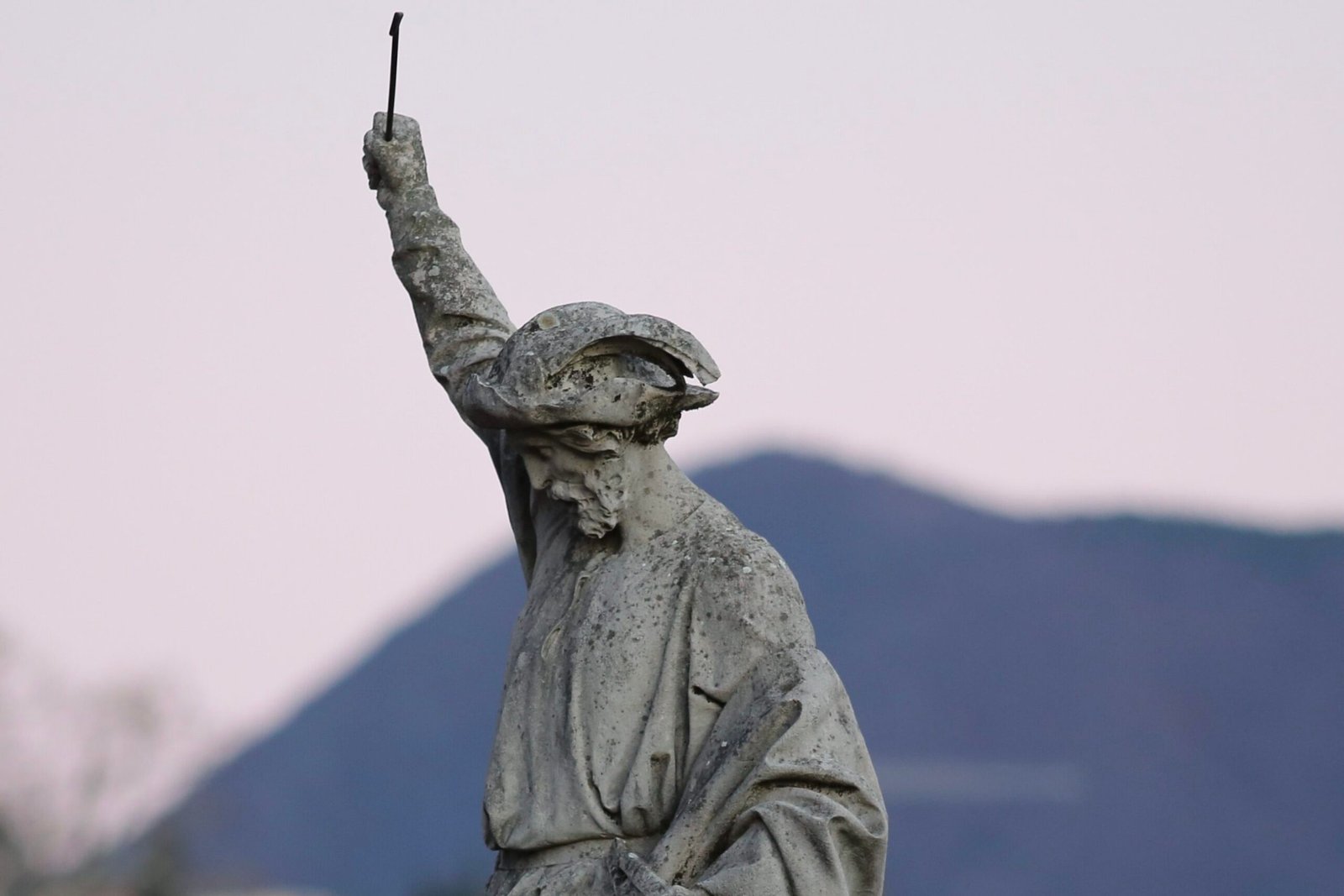
That dramatic moment, a father forced to shoot an apple off his son’s head, is one of Switzerland’s most iconic stories. William Tell, the 14th-century marksman, supposedly defied a tyrannical ruler and sparked a national rebellion. But the earliest written accounts of his story appeared more than a century later, and historians haven’t found any contemporary evidence to prove he existed. The tale aligns suspiciously well with older European folklore.
Many now believe William Tell was a symbolic figure created to embody Swiss resistance and national pride. His story became widespread during Switzerland’s push for independence and unity. While the legend is deeply ingrained in Swiss identity, experts argue it’s more likely a crafted narrative meant to inspire patriotism than a biography of a real man. Whether fictional or factual, Tell’s courage still represents something powerful, an ideal that helped shape a nation’s identity and sense of freedom.
7. Pope Joan
The story of Pope Joan, a woman who disguised herself as a man and rose to become pope, is as fascinating as it is controversial. According to the legend, her identity was discovered only when she gave birth during a procession, shocking the entire church. But here’s the twist: there’s no record of such an event in any contemporary Vatican documentation, and the story didn’t emerge until the 13th century, hundreds of years after her supposed reign.
Most historians agree Pope Joan was likely a myth, perhaps invented as satire or to critique the Catholic Church’s power structure. The tale was repeated often enough to seem plausible, and her name even appeared in some medieval papal lists before being removed. Despite the lack of evidence, the story endures, perhaps because it challenges rigid systems and sparks debate about gender, power, and who gets to write history in the first place.
8. Lycurgus
Lycurgus is credited with transforming ancient Sparta into a warrior society defined by discipline and equality, at least for its male citizens. But the earliest references to him are vague and contradictory, with no firm dates or details to ground his life in real history. Ancient writers themselves often debated whether he ever existed or was more of a political ideal than a person. It’s a mystery that’s never been fully solved.
Many scholars now believe Lycurgus was either a completely fictional figure or a blend of several early lawmakers. His “reforms” may have been gradual cultural shifts later attributed to a single legendary founder. The Spartan image of strength and structure needed a father figure, and Lycurgus fit the bill perfectly. Whether he lived or not, his influence, real or imagined, helped shape one of the most famous and extreme societies in ancient history.
9. St. Christopher
You’ve probably seen St. Christopher on keychains, medals, or car dashboards. He’s long been known as the patron saint of travelers. But the Catholic Church quietly demoted his status in 1969, casting doubt on whether he ever existed. The most famous tale of Christopher carrying a child (who turns out to be Jesus) across a river is rooted more in symbolic storytelling than historical fact.
Scholars now suggest that Christopher’s legend may have been adapted from pagan myths or early Christian allegories. His name, which means “Christ-bearer,” could even be a metaphor rather than a birth name. While devotion to him continues, there’s no verifiable evidence that a man named Christopher performed these miracles or lived during the time suggested. That hasn’t stopped believers from holding him close, proving once again that faith in a story can sometimes be stronger than historical record.
10. Romulus and Remus
The image of twin brothers raised by a she-wolf is one of the most recognizable origin stories in Western civilization. According to Roman mythology, Romulus and Remus founded the city of Rome after a dramatic series of events involving betrayal and fratricide. But this powerful tale has no archaeological or historical support, and most experts now agree it’s a national myth rather than a factual account.
Ancient historians like Livy and Plutarch treated the story as symbolic even in their time, using it to explain Roman values like strength, unity, and sacrifice. Romulus in particular became the namesake and spiritual founder of Rome, but that doesn’t mean he ever lived. The real founding of Rome was likely a gradual process involving different tribes and settlements. The legend of the twins, however, gave Romans a powerful identity and a gripping story to pass down through the ages.
11. Mulan
Long before Disney’s animated version, Hua Mulan was already a beloved folk hero in China. Her story, disguising herself as a man to take her father’s place in the army, first appeared in a short folk ballad during the Northern Wei dynasty. But despite how popular she became, there are no official military or government records confirming her existence. Historians suspect her story may be fictional or heavily embellished.
It’s possible Mulan was inspired by real women who defied social norms and went to war, but her name and deeds likely evolved through oral storytelling. Over time, Mulan became a national symbol of loyalty, courage, and filial piety. Even if she wasn’t real, her legend still speaks to timeless values and the strength of women in history. Today, she’s a cultural icon, whether as a warrior from the past or a tale that’s inspired countless generations.
12. Emperor Jimmu
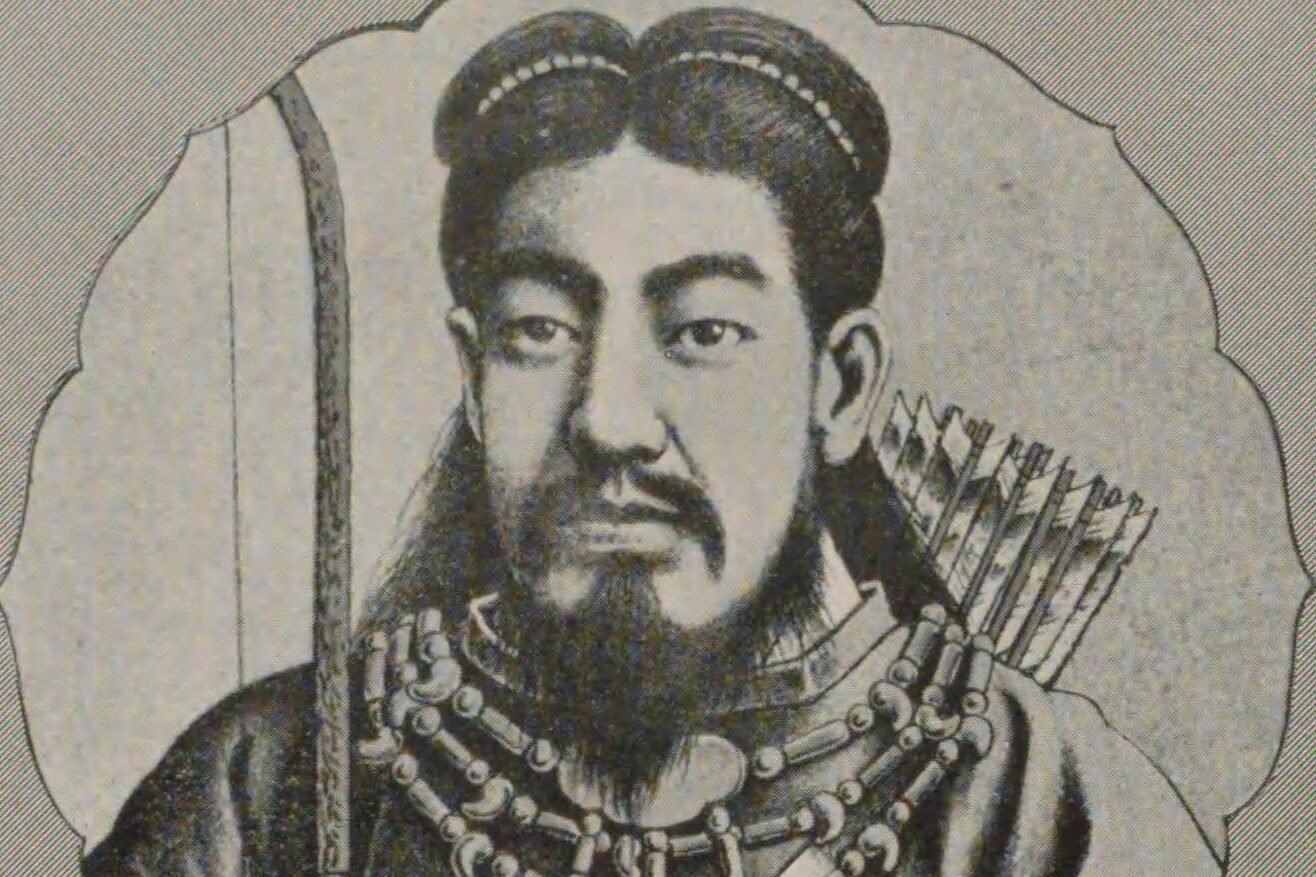
According to Japanese tradition, Emperor Jimmu was the first ruler of Japan, a direct descendant of the sun goddess Amaterasu, and the founder of the imperial line. His reign is officially dated to 660 BCE, but modern historians view him as a mythological figure rather than a historical one. The earliest texts describing him, the Kojiki and Nihon Shoki, were written centuries later and blend myth, legend, and history into one narrative.
Archaeological evidence from the period doesn’t support the existence of a centralized monarchy at the time Jimmu supposedly ruled. Scholars believe he may have been invented to legitimize imperial rule and connect it to divine origins. While his story remains deeply embedded in Japanese culture, especially in Shinto beliefs, experts widely agree that Jimmu is a symbolic ancestor, an idealized ruler rather than a person who once walked the earth.