
Saturday Morning Cartoons Were a Sacred Ritual
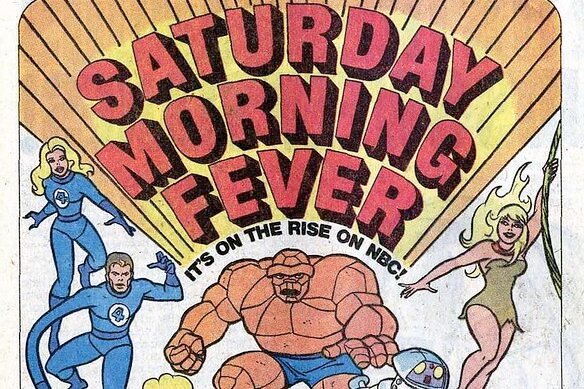
Before streaming and on-demand took over our lives, there was a holy grail of joy every week for a 70s kid. Saturday morning was the one time you could roll out of bed in your pajamas, pour yourself a giant bowl of sugary cereal, and dive into a world of colorful animation. Shows like Super Friends, Scooby-Doo, and The Bugs Bunny/Road Runner Hour weren’t just entertainment. They were a reward after five long school days and chores done just right. There was no pause button and certainly no replay. You had to be there, wide-eyed and ready by 8 a.m., or you missed it all.
That fleeting, magical window gave those cartoons a value that kids today may never fully grasp. It wasn’t just the content. It was a ritual. The blanket on the floor, the clinking spoon against the bowl, the bright TV glow on sleepy eyes. It felt like the world had stopped just for kids. In those sacred hours, we were part of something rare and golden.
Tangled Phone Cords Meant You Were in Deep Conversation
Back when phones were attached to the wall and had actual cords, every 70s kid had a favorite spot for their long chats. Maybe it was in the kitchen with the cord wrapped around your leg or in the hallway, whispering secrets while stretching the curly wire into a dangerous spaghetti mess. There was something intimate about having to sit or stand in one place just to talk. You weren’t distracted. You were there. And if your parents were on the other line picking up extensions, you learned the art of the hushed voice real quick.
The phone wasn’t just a device. It was a rite of passage. You memorized numbers, prayed for privacy, and lived for the moment your crush actually called back. Today’s instant texts and DMs can’t hold a candle to that breathless wait for a ring or the heartbreak of a busy signal. For 70s kids, the phone cord was a lifeline to your world outside your home and a symbol of growing up.
Riding Bikes Was the Ultimate Freedom Pass
Before smartphones or GPS tracking, your bike was your universe. You didn’t just ride it. You lived on it. That banana seat or chopper handlebar wasn’t just a mode of transport. It was your spaceship, your getaway car, your social pass to every backyard and cul-de-sac adventure. There were no helmets, no adults shadowing you at every turn. Just wind in your face, the sound of your friends’ laughter trailing behind, and the sun-soaked pavement stretching ahead.
Biking in the 70s was freedom in its purest form. You didn’t text to see if someone could come out. You pedaled past their house and looked for the pile of bikes in the yard. That was your social network. Skinned knees, lost shoes, and a pocketful of candy were your badges of honor. You weren’t afraid to get lost. You wanted to. Because every wrong turn might lead to a new shortcut or secret hideout. That’s the kind of independence only 70s kids truly got to feel.
TV Sign-Offs Were a Bedtime Signal
If you stayed up late enough in the 70s, you’d see something that would confuse kids today—a television sign-off. After the late-night movie or news, the national anthem would play. Then the screen would fade to static or a colorful test pattern. That moment meant the day was done. There was nothing left to watch. The TV itself was going to sleep. It was strangely comforting and eerie at the same time.
For a 70s child, that sign-off wasn’t just technical. It was emotional. It marked a boundary, a quiet cue that the day had given you all it could. There was something final about it. You might have been curled up on the shag carpet, eyes half-closed, hearing that hum before bed. It gave nighttime a kind of sacred close. It reminded you that, unlike today, not everything was always available. And because of that, it felt more special. The wait for tomorrow’s shows made them worth waking up for.
Cereal Box Prizes Were Worth the Sugar Rush
There was no feeling like tearing into a new box of cereal and plunging your hand in, hoping for the prize. Not waiting. Not pouring. Just diving in, half-blind and cereal-dusted, desperate for that tiny treasure buried inside the sugar avalanche. Whether it was a plastic ring, a decoder, or a mini comic, that little toy made breakfast electric. You didn’t care about nutrition. You cared about being the one who got to it first.
For 70s kids, cereal wasn’t just food. It was an experience. Brands knew exactly how to hook us with colorful characters and prize promotions. The box itself was entertainment, covered in games, puzzles, and mazes. We’d sit at the table for what felt like forever, reading and re-reading every panel. Even now, just hearing the rustle of cereal can transport you back to that childhood kitchen. Back to a time when sugar-fueled mornings came with wonder in every bite.
Scratch-and-Sniff Stickers Were the Height of Cool
If your Trapper Keeper had a full page of scratch-and-sniff stickers, you were somebody. These weren’t just stickers. They were status symbols. With their bold scents like root beer, bubblegum, or the infamous skunk (why was that even a thing?), they turned ordinary paper into sensory adventures. Trading them was an art. You didn’t just swap. You negotiated, you displayed, you flexed your collection like it was gold.
Those stickers gave the smell a starring role in our childhood memories. You could close your eyes and be instantly pulled back to a specific moment, a school folder, a sleepover, or that one friend who had the rare pizza-scented sticker. They weren’t always pleasant, but they were always powerful. That tactile joy of scratching, sniffing, and sharing is something only 70s kids can truly appreciate. In a world before everything was digital, we cherished the physical. And sometimes, it smelled like root beer.
Making Mix Tapes Took Real Effort and Patience
Long before playlists were just a swipe away, creating a mix tape was an act of love and serious patience. If you were lucky enough to have a cassette recorder and access to a boom box or a radio with a record button, you were in business. You’d sit by the radio for hours, finger poised, waiting for your favorite song to come on. And if the DJ talked over the intro, your heart would break a little.
Making a great mixtape in the 70s wasn’t just about music. It was storytelling. It was mood-setting. Whether it was for a friend, a crush, or just for yourself, it said something about who you were. You’d carefully label the tape, decorate the case, and maybe even draw hearts or lightning bolts. That cassette wasn’t just sound. It was a memory captured in magnetic tape. Kids today may never understand that thrill of hearing a song you loved and catching it just in time to hit record.
Playground Time Was Wild and Dangerously Fun
Recess in the 70s wasn’t just a break. It was a full-blown survival adventure. Metal slides that scorched your legs in the sun, jungle gyms that stood two stories tall with nothing but asphalt below, and merry-go-rounds spun by your fastest friend until you flew off like a human rocket. There were no soft mats, no safety inspections, and certainly no helmets. And yet, we thrived.
Every scar had a story. Every scraped knee was proof you were alive and living fully. You learned teamwork on the dodgeball court, strategy on the four square tiles, and resilience when you were picked last but played anyway. The playground was more than a place to burn energy. It was where friendships were forged, rivalries sparked, and daydreams were born. For 70s kids, it was one of the few places where the world was unsupervised and entirely ours.
The Ice Cream Truck Was Pure Magic on Wheels
You didn’t need a phone to know the ice cream truck was coming. You heard it. That cheerful jingle that drifted down the block was the starting bell for the race of the day. You’d bolt inside to beg your parents for coins, or dig deep into couch cushions and piggy banks hoping for just enough. The truck didn’t just deliver frozen treats. It brought joy.
The choices felt endless. Rocket Pops, Choco Tacos, Fudgsicles, Bubble Gum Swirl. It was like a rolling wonderland of flavor and freedom. Getting something from the ice cream truck made you feel rich, even if just for five minutes. The conversations, the excitement, the sticky fingers and drippy elbows, those were the real treats. For 70s kids, that sound still brings a rush of excitement and a flood of summer memories. The ice cream truck wasn’t just about dessert. It was about delight.
School Filmstrips and Overhead Projectors Felt Futuristic
There was something oddly thrilling about the lights dimming and the click-click of the filmstrip projector coming to life in class. You’d sit in rows, eyes wide as the screen lit up with slides about everything from volcanoes to Abraham Lincoln. Your teacher would turn the knob, trying to time the narration just right. And if you were really lucky, you got picked to be the knob-turner, a classroom honor like no other.
Before smart boards and YouTube, these slow-paced visuals were the height of classroom tech. Overhead projectors with transparent sheets felt like wizard tools. Watching your teacher scribble with dry-erase markers while their handwriting glowed on the screen was strangely mesmerizing. For kids growing up in the 70s, these moments weren’t boring. They were mesmerizing portals into new worlds. There was something cozy and curious about that warm humming machine and the shared silence of classmates soaking up a slice of knowledge together.
Holiday Catalogs Were the Original Toy Wishlists
Before online carts and overnight shipping, the arrival of a thick Sears or JCPenney holiday catalog was the highlight of the year. You’d curl up on the couch, highlighter or pen in hand, and dream your way through page after page of toys. Stretch Armstrong, Lite-Brite, Barbie’s Dream House, and Evel Knievel stunt bikes, they were all there, in glossy, colorful glory.
Marking up that catalog wasn’t just fun. It was hope. It was possibility. You circled your dreams, even if you knew you wouldn’t get them all. It was the slow-build excitement of the holiday season, wrapped in paper and ink. For 70s kids, those catalogs were more than shopping guides. They were portals into our imaginations. The rustle of those pages is forever linked with December mornings, family gatherings, and that sweet ache of anticipation that only a child can feel when everything seems possible.
Piling Into the Back of a Station Wagon Was the Norm
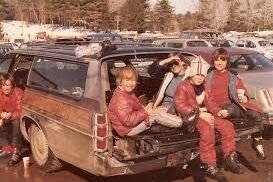
Seatbelts? Optional. Boundaries? Nonexistent. Family trips in the 70s meant piling into the back of a wood-paneled station wagon with your siblings, snacks, and no personal space. You might have stretched out on a blanket, played I Spy, or stared out the rear window as the world whizzed by in reverse. There were no tablets, no streaming. Just license plate games, AM radio, and the occasional punch over who crossed the imaginary line.
Yet those road trips were golden. They were loud and messy and unforgettable. You sang songs, got carsick, and learned the true meaning of compromise. That cramped, vinyl-scented space became a rolling memory maker. You fought, laughed, and maybe even cried a little. But those trips carved themselves into your heart. For 70s kids, the back of the station wagon was more than transport. It was a shared chapter in our stories, a place where boredom bloomed into creativity and family came alive in all its chaotic glory.