
1. “Cowboys and Indians” Parties
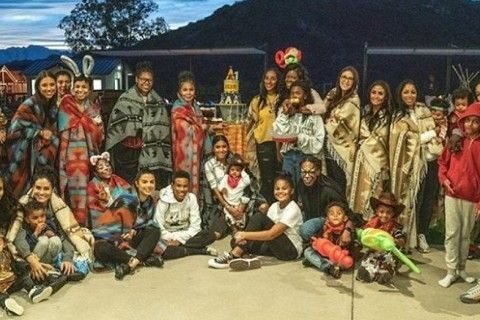
Back in the day, this was considered a fun Wild West theme for kids and adults alike. Guests would dress up in cowboy boots or feathered headdresses, acting out battles between “cowboys” and “Indians.” But what it really did was reduce entire cultures to caricatures and promote harmful stereotypes about Native American people.
Today, this party theme is widely recognized as offensive. It ignores the painful history of colonization, displacement, and cultural erasure that Native communities have endured for centuries. Celebrating it with mock costumes and games is not just outdated, it’s harmful. The National Congress of American Indians and numerous cultural organizations have spoken against this kind of misrepresentation. It’s a good reminder that what once passed for “fun” might’ve actually been causing harm the whole time.
2. “Tropical Luau” With Faux Hawaiian Culture
The classic luau party may seem innocent with its leis, coconut bras, and tiki drinks. But these themed events often misrepresent and oversimplify Native Hawaiian traditions. Most vintage luau parties have no real connection to Hawaiian customs and instead rely on commercialized, stereotyped versions of island culture.
Experts have raised concerns over how these parties perpetuate cultural appropriation, especially when held without understanding or honoring the sacred elements of Polynesian heritage. A real Hawaiian luau is a spiritual and community-centered gathering, not just a décor aesthetic. Today, Hawaiians continue to fight for cultural respect and the protection of their native lands and traditions, and trivializing their customs at a backyard BBQ just doesn’t sit right anymore. If you’re craving an island vibe, maybe skip the plastic hula skirts and do some actual learning instead.
3. “Harem Nights” or “Arabian Nights” Parties
This one was big in the ’60s and ’70s. Picture belly dancers, turbans, and veils in dimly-lit rooms filled with hookah smoke. While it may have been seen as exotic and “glamorous” back then, it also perpetuated harmful Orientalist stereotypes that paint Middle Eastern cultures as mystical, backwards, or hypersexualized.
These themes are rooted in colonial fantasies, not actual cultural representation. They erase the depth and diversity of real Middle Eastern societies and reduce entire regions to fantasy tropes. The issue here isn’t just about costumes; it’s about reinforcing age-old misconceptions that have contributed to discrimination and misunderstanding. Today, many Arab American advocacy groups speak out against these depictions in media and events alike. Hosting a themed party like this now isn’t just cringe, it’s a cultural misstep.
4. “Ghetto Fabulous” or “Pimps and Hoes” Parties
These themes exploded in popularity in the late ’90s and early 2000s, especially among college students. With flashy outfits, grills, and references to “urban” life, these parties often leaned heavily on Black stereotypes for entertainment. They weren’t just tone-deaf, they were downright racist.
By turning marginalized communities into costume themes, these parties mocked real struggles while celebrating caricatures. Today, they’re a prime example of how cultural appropriation and systemic racism get disguised as fun. Experts in racial equity have long warned about the impact of normalizing these harmful portrayals, especially in social spaces. Many universities and brands have since had to apologize for hosting or endorsing such events. If you’re throwing a party now, maybe don’t build it around someone else’s lived oppression.
5. “Oriental” or “Asian-Inspired” Parties
These parties often featured paper lanterns, dragon motifs, geisha outfits, and mock Asian accents. While they were intended to look “beautiful” or “exotic,” they also turned Asian cultures into one big mishmash of clichés. Worse, they often ignored the real and nuanced identities behind those traditions.
This theme became especially problematic in the wake of increased anti-Asian hate in recent years. Advocacy groups stress that even well-intentioned cultural themes can cause harm when they rely on costume-like portrayals and reinforce othering. What may have seemed like an innocent theme once now carries the weight of cultural disrespect and exclusion. If you want to celebrate another culture, try supporting local businesses or attending authentic festivals instead of mimicking what you saw in a movie.
6. “Redneck” or “White Trash” Parties

Meant to be “ironic” or “funny,” these parties ask guests to show up in dirty tank tops, mullets, and mock trailer park attire. The problem? They punch down on poor, rural, working-class communities, especially in Southern states. It’s not just tacky, it reinforces classism and makes poverty a joke.
These events usually ignore the real struggles of economic hardship and turn lived experiences into punchlines. Experts in social equity have pointed out that this kind of humor marginalizes people already facing societal neglect. Just because someone’s culture doesn’t match mainstream ideals doesn’t mean it’s open for mockery. In today’s climate, where awareness around class bias is growing, hosting a party like this is a quick way to alienate guests and maybe even go viral for the wrong reasons.
7. “Mexican Fiesta” With Sombreros and Fake Accents
Fiesta-themed parties once felt like the ultimate way to spice up a celebration. With mariachi music, tacos, tequila shots, and giant sombreros, it seemed fun and festive. But in reality, it’s a shallow representation of a rich, diverse culture and often includes harmful stereotypes.
What makes this theme problematic is its reduction of Mexican heritage to props and accents. Fake mustaches and broken Spanglish don’t pay homage, they mock. Many advocacy groups have urged people to move past the party store versions of cultural celebration and toward genuine appreciation. Instead of appropriating symbols for aesthetic, why not support authentic Mexican-owned businesses or learn about traditions like Día de los Muertos? If you’re celebrating culture, do it with depth, not gimmicks.
8. “Safari” or “Tribal” Jungle Parties
Animal print, fake bones, face paint, and “primitive” dances once made jungle or safari-themed parties feel adventurous. But these celebrations often fed into colonial stereotypes of Africa as an untamed, uncivilized wilderness and its people as tribal caricatures. That’s not just outdated, t’s deeply harmful.
The imagery used in these parties oversimplifies entire continents and cultures, reinforcing long-standing misconceptions rooted in racism and imperialism. Experts in African studies highlight how these portrayals ignore the vast cultural, linguistic, and historical richness of the regions being misrepresented. It’s time to retire themes that celebrate colonial adventure fantasies and instead focus on learning about the real stories, struggles, and triumphs of African peoples from their own perspectives.
9. “Gender-Bender” Parties
Swapping clothes for the night once seemed like a hilarious idea in the party scene. But today, gender-bender parties can come off as insensitive and mocking to transgender and non-binary individuals whose lived experiences go far deeper than a costume change. Gender identity is not a party trick.
While some argue that these parties were never meant to offend, their very concept trivializes gender expression. Trans and LGBTQ+ advocacy organizations have raised concerns that such events promote misunderstanding and reinforce outdated ideas about gender norms. What feels like fun for one group can feel like erasure for another. In an era where inclusivity matters more than ever, parties should be spaces of celebration, not of mockery disguised as humor.
10. “Toga” Parties
You might be surprised to see this on the list, but toga parties, made popular in frat culture and movies like Animal House, aren’t as harmless as they seem. While they’re often seen as goofy, their portrayal of ancient Greek and Roman traditions is cartoonish at best and disrespectful at worst.
Toga parties reduce complex, rich histories into cheap costumes and drunken antics. Scholars of classical civilizations have pointed out that what people wear to these events often has little to do with what actual togas looked like or meant. It’s a good reminder that not all historical themes need to be reenacted for laughs. If you’re truly fascinated by ancient cultures, museums and documentaries do a far better job than plastic laurel crowns and red Solo cups.
11. “Mad Men”-Style 1960s Parties
With their martinis, tailored suits, and mid-century décor, these parties seem classy and nostalgic on the surface. But they often glamorize an era rife with sexism, racism, and homophobia. Celebrating that time period without acknowledging its darker realities can feel tone-deaf today.
The ’60s were a time of deep social inequality, especially for women, people of color, and LGBTQ+ individuals. Yet, many of these themed parties gloss over that in favor of vintage fashion and cigarette props. While there’s nothing wrong with appreciating retro aesthetics, it becomes problematic when the context gets erased. Experts in media history suggest that nostalgia should be paired with reflection. So if you’re going for a ’60s vibe, maybe skip the objectification jokes and talk about the progress we’ve made instead.
12. “Around the World” Theme Parties
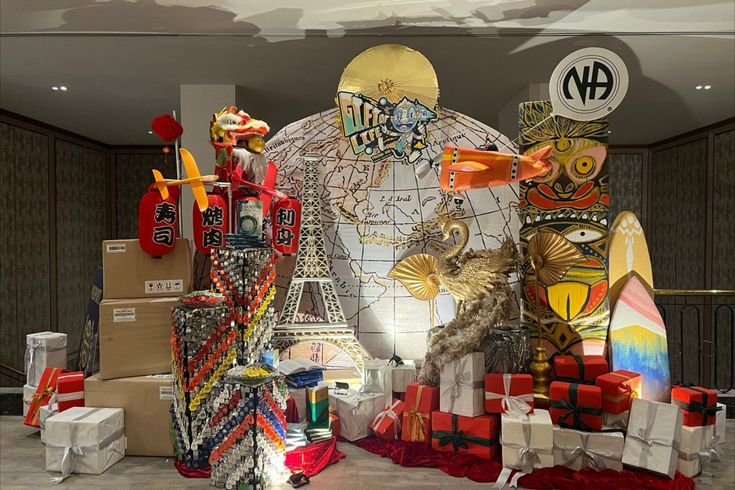
What seems like a celebration of global culture often ends up as a chaotic mishmash of stereotypes. Guests are encouraged to dress “internationally,” which usually means pulling from shallow and offensive representations of other countries. It’s not diversity, it’s a costume party built on clichés.
These parties blur the line between appreciation and appropriation. Wearing a kimono, sombrero, or sari without context turns sacred or traditional attire into accessories. Cultural experts point out that it’s disrespectful to take pieces of someone else’s heritage without understanding their meaning. In today’s socially conscious world, more people recognize that honoring other cultures means more than themed drinks and décor. Instead of mocking a world you don’t fully understand, try celebrating it through authentic food, music, or conversations with people who live those experiences daily.