
1. Distraction (UK, 2003–04)
Hosted by comic Jimmy Carr, Distraction was a quiz show where contestants answered simple trivia while enduring absurd and often painful interruptions. Think getting slapped in the face with fish or shocked with electric dog collars mid-sentence. The game’s outrageousness quickly overshadowed the questions themselves, turning each episode into an endurance test of both pain and poise. The twisted format thrived on cringe and spectacle, setting a new bar for how far a game show could go.
While critics questioned its ethics, audiences couldn’t look away. It only ran for two seasons in the UK but made enough noise to inspire a short-lived U.S. version on Comedy Central. Media analysts still cite Distraction as a prime example of early 2000s shock TV. Its appeal lay in making viewers squirm while contestants battled humiliation for cash. Love it or hate it, it showed just how wild game show formats could truly become.
2. Man vs. Beast (US, 2003)
Man vs. Beast took competitive spectacle to absurd new heights by pitting humans against animals in physical contests. In one episode, a sprinter raced a giraffe. In another, a sumo wrestler took on an orangutan in a tug-of-war. Hosted by Fox, the show blurred the line between entertainment and exploitation. The presentation was straight-faced, which only made the bizarre matchups feel even more surreal and ethically questionable to viewers and critics alike.
Animal rights organizations condemned the show, calling it demeaning and irresponsible. Viewers were shocked, not just by the stunts but by how seriously the producers tried to frame the contests. While it garnered decent ratings during its short run, public backlash ensured there would be no second season. Media experts often reference Man vs. Beast as a cautionary tale of what happens when networks chase spectacle over sensibility. It remains one of the weirdest and most controversial game shows ever aired.
3. Banzai (UK, 2001–03)
Styled as a parody of Japanese game shows, Banzai invited viewers to bet on outrageous stunts like “which monk can stand on one leg the longest” or “how long can this man hold his breath.” It used exaggerated accents, over-the-top narration, and absurd challenges to entertain. Originally aired on Channel 4 in the UK and later picked up by Fox in the US, the show was unapologetically weird and often veered into tasteless territory.
Critics and cultural commentators criticized it for mocking Asian stereotypes, while others defended it as equal-opportunity satire. The show became a cult favorite despite its short run and was even marketed with home betting kits. Experts note its influence on future irreverent programming but agree that Banzai wouldn’t survive today’s more culturally sensitive landscape. Its mix of absurdity, awkward humor, and intentional cringe made it a perfect snapshot of early 2000s edgy television trends.
4. Cram (US, 2003)
The concept behind Cram was as bizarre as it was brutal. Contestants were forced to stay awake for 24 hours while cramming random trivia, then tested on what they retained through fast-paced games. On top of their mental exhaustion, they had to complete physical tasks like spinning while reading or balancing on unstable surfaces. The aim was to test mental and physical endurance under sleep-deprived conditions, making it part quiz show, part stress experiment.
The show aired on the Game Show Network and ran for just one season. Critics called it psychologically questionable, and audience reception was mixed. Some viewers were fascinated by the chaos, while others found it cruel. Experts later referenced Cram as an example of how game shows experimented with reality-TV-style stakes. Despite its short life, it remains a reminder of how networks once tested just how much weirdness contestants and audiences, could handle in the name of entertainment.
5. Spin the Picture (US, 1949–50)
One of television’s earliest game shows, Spin the Picture featured a spinning image of a famous person. Contestants, calling in from home, had to guess who the blurred photo represented. It aired live on the DuMont Television Network and relied heavily on the novelty of early broadcast technology. The spinning element was meant to add suspense, but by today’s standards, it seems quaint and barely comprehensible as a challenge.
Despite being short-lived, media historians see Spin the Picture as an experimental cornerstone in interactive television. No full episodes are known to survive, making it one of TV’s ghost shows. Its weird charm lies in its simplicity, and experts often mention it when discussing television’s evolution from passive watching to active engagement. The format may seem tame now, but at the time, it was an unhinged step into a new era of audience participation and real-time game formats.
6. Starcade (US, 1982–84)
Starcade was a game show where contestants competed in classic arcade games like Pac-Man, Centipede, and Donkey Kong for prizes. It was one of the first shows to blend gaming and television, years before esports and Twitch were mainstream. Hosted by Mark Richards and later Geoff Edwards, the show had a futuristic set and upbeat energy that captured early ‘80s video game culture with all its neon charm and joystick glory.
The format was simple: answer video game trivia, then play the actual game to beat your opponent’s high score. Although it wasn’t unhinged in a painful or grotesque way, its concept was wildly ahead of its time. Experts point to Starcade as a cultural milestone that showcased gaming as skill and entertainment. Today, it’s a nostalgic relic that reminds viewers just how experimental TV was during the rise of arcade mania. Fans still upload and rewatch episodes on YouTube.
7. Truth or Consequences (US, 1950–88)
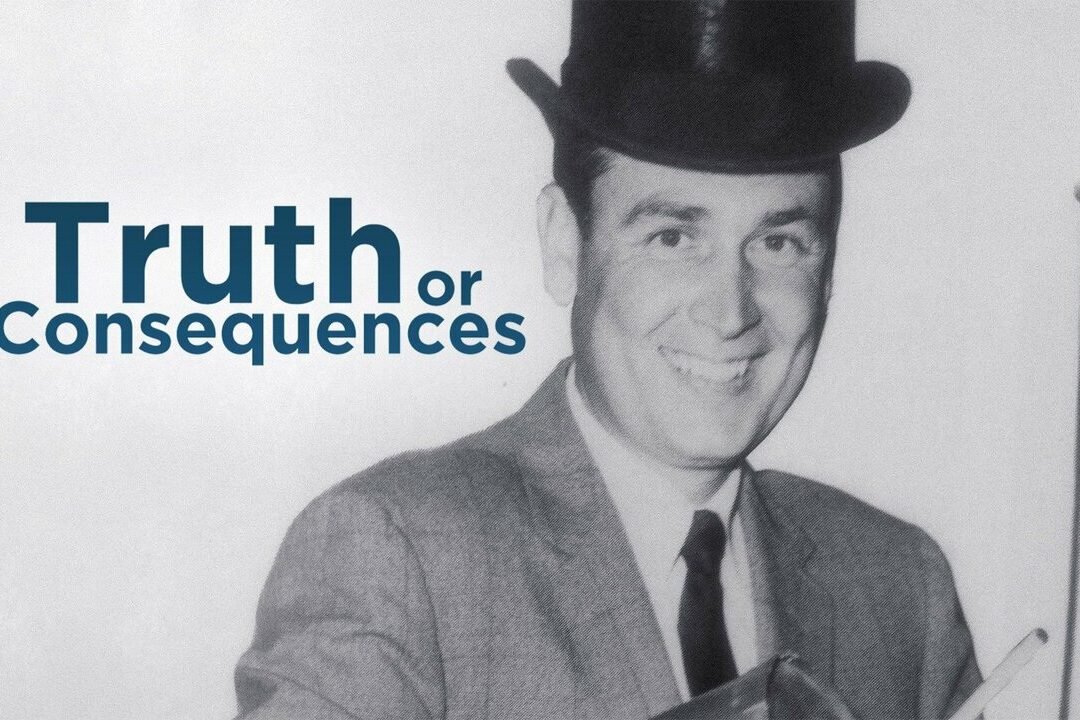
Airing in various forms for nearly four decades, Truth or Consequences combined quiz questions with outlandish stunts. If a contestant failed to answer correctly, they had to endure ridiculous tasks like singing in public, dressing in costumes, or being dunked in water. It was one of the first shows to use hidden cameras and live audience reactions, setting the foundation for prank shows and variety game formats that would follow.
While its brand of humor may feel gentle compared to today’s standards, the show was considered eccentric in its time. Experts credit Truth or Consequences with pioneering televised awkwardness as comedy and turning public embarrassment into family-friendly entertainment. Host Bob Barker became a TV icon thanks to his long tenure. Although mostly forgotten by younger audiences, it paved the way for other strange and stunt-driven formats. Its legacy quietly echoes in every prank-based or challenge-style show still on air.
8. Legends of the Hidden Temple (US, 1993–95)
A kids’ game show that felt more like an Indiana Jones spin-off, Legends of the Hidden Temple featured young contestants racing through elaborate obstacle courses, answering history-based trivia, and avoiding creepy temple guards. With rooms like the Shrine of the Silver Monkey and the Pit of Despair, the whole production felt delightfully over-the-top. The show’s design aimed to blend education with physical challenge, though the atmosphere often felt more terrifying than fun for participants.
Although targeted at children, it had a surprisingly intense tone, with dramatic music and high-pressure scenarios that made it feel like life or death. Viewers loved the chaos, and the temple run became a cult favorite moment. Experts say the show embodied ‘90s Nickelodeon energy: messy, wild, and totally unforgettable. While it only ran for three seasons, it left such an impression that it was rebooted years later for nostalgic adults looking to relive the madness.
9. Remote Control (US, 1987–90)
MTV’s first original game show, Remote Control abandoned traditional trivia in favor of pop culture absurdity. Hosted from a basement set, contestants sat in recliners while answering bizarre questions about TV shows, music, and celebrities. The rounds got weirder as the show progressed, including segments where contestants were literally sucked through the set if they lost. It was rebellious, chaotic, and completely different from anything else on the air at the time.
The show’s irreverent style perfectly matched MTV’s youthful, rule-breaking vibe. It attracted big-name guest stars and introduced viewers to future icons like Adam Sandler and Denis Leary. Experts say it set the tone for MTV’s future programming by blending comedy, music, and game show antics. While it wasn’t violent or grotesque, its offbeat humor and surreal challenges made it one of the most unhinged game shows of its era. It lives on in nostalgic YouTube clips and fan forums.
10. Fear Factor (US, 2001–06; revivals)
Fear Factor was the ultimate dare-based game show. Contestants were challenged to do terrifying or revolting stunts like lying in a pit of snakes, walking between skyscrapers, or eating animal organs. The show thrived on triggering phobias and physical revulsion, and that was exactly the point. Each episode pushed people closer to their limits, making viewers squirm while waiting to see who could stomach it all for the prize money.
Though wildly popular, the show faced criticism from health experts and psychologists for glorifying dangerous behavior. It was cancelled, revived, and cancelled again, but its legacy remains strong. Experts describe Fear Factor as a cultural marker of early 2000s television, when shock value ruled the ratings. The show walked a fine line between thrill and discomfort, and fans couldn’t get enough of the chaos. It’s remembered as one of the most fearlessly unhinged shows to ever air on network TV.
11. Hellevator (US, 2015–16)
Produced by the creators of Saw, Hellevator combined game show mechanics with full-blown horror aesthetics. Contestants rode a haunted elevator through dark industrial levels, completing gory and psychologically intense challenges. Each round increased in difficulty, with dim lighting, jump scares, and actors playing disturbing characters designed to rattle even the toughest players. It wasn’t just about winning money, it was about enduring a terrifying experience for entertainment.
Though praised for creativity, the show was too creepy for mainstream appeal. Experts in television psychology noted it toyed with genuine fear responses more than strategic skill. While it only lasted two seasons on the Game Show Network, it carved out a cult following among horror fans. Hellevator was unique in blending game show thrills with immersive horror storytelling, creating a chilling hybrid no one quite expected. It still stands out as one of the boldest, most unsettling formats to hit the small screen.
12. Oh Sit! (US, 2012–13)
Imagine musical chairs, but now picture it with padded obstacle courses, live music, and contestants diving headfirst into padded walls to claim a spot. That was Oh Sit!, The CW’s chaotic take on a childhood classic. Hosted with energetic commentary and booming visuals, the show was an adrenaline rush that turned a simple playground game into a gladiator-style spectacle. Contestants ran, jumped, and tackled their way to each round’s final “sit.”
The show’s wacky energy made it hard to take seriously, but that was the point. It tried to parody both reality competitions and traditional game shows while offering high-speed action and occasional spills. Experts describe it as a bizarre moment in TV when producers believed any activity could be gamified for ratings. While short-lived, Oh Sit! holds a strange place in TV history as a hyperactive fever dream of a game show that took ridiculousness to new heights.
13. The Chair (US, 2002)
The Chair added a medical twist to quiz show tension by monitoring contestants’ heart rates. Hosted by John McEnroe, the show asked participants general knowledge questions under extreme pressure. If their heart rate rose above a set threshold, they couldn’t answer. To make it even harder, producers would throw in distractions like sudden noises or flashing lights to elevate stress. Staying calm became just as important as knowing the right answer.
Critics found the format innovative but also needlessly intense. Experts argued that tying physical stress to a trivia challenge blurred the line between game and psychological experiment. Despite its prime-time slot on ABC, The Chair only lasted a handful of episodes before being canceled. Still, it sparked conversations about mental and emotional limits on television. It’s often mentioned alongside Fear Factor as one of the most unsettling game shows to ever receive major network backing.