
1. Bozo the Clown (Chicago, IL)
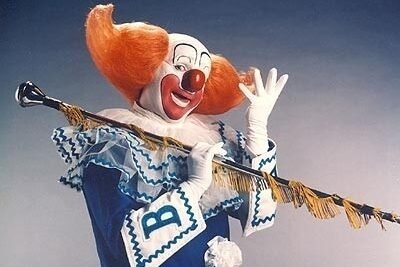
Bozo the Clown, portrayed most famously by Bob Bell on WGN-TV in Chicago, wasn’t just a local phenomenon, he became a cultural icon. Starting in 1960, Bozo’s Circus drew millions of young viewers with slapstick skits, games, and the famous “Grand Prize Game.” His bright red wig and exaggerated grin were etched into childhood memories across generations.
What made Bozo truly iconic was his role in shaping children’s programming across the country. Cities began creating their own versions of Bozo, but the Chicago version remained the most legendary. The format emphasized interaction, creativity, and wholesome fun, which made him a household name and inspired a nationwide franchise. Bozo was more than a character; he was a shared experience for kids growing up in the ’60s through the ’80s. His legacy still lives on in nostalgic retrospectives and archival reruns.
2. Captain Kangaroo (National with Local Feel)
Although technically a national show, “Captain Kangaroo,” hosted by Bob Keeshan, had the warm, local-TV host vibe that made kids feel like he was talking directly to them. Debuting in 1955 and running until 1984, it was often broadcast through local CBS affiliates, making it a beloved part of many communities’ morning routines.
Keeshan’s gentle storytelling, quiet humor, and cast of puppets and recurring characters set a tone that shaped early childhood television. Experts agree the show revolutionized educational content for kids, blending learning with entertainment in a way that respected young minds. The Captain didn’t shout or dazzle, he engaged with sincerity and warmth, making him feel like a grandparent on screen. His longevity and impact on local stations gave him an enduring presence in American hearts.
3. Romper Room Teachers (Various U.S. Cities)
“Romper Room” wasn’t a single show with one iconic host, it was dozens. This children’s program aired in syndication with local hosts in cities like Baltimore, Pittsburgh, and Los Angeles, creating a unique bond with viewers. Teachers like Miss Nancy, Miss Molly, and others personalized the content to reflect their communities, turning national programming into a local treasure.
The structure of the show focused on routines, manners, and play, and each episode ended with the beloved Magic Mirror segment. The host would “see” children watching at home, naming them aloud, which made kids feel directly acknowledged and special. Educational researchers have cited “Romper Room” as an early model for interactive learning on TV. This hyper-local, participatory format created a generation of viewers who felt genuinely seen.
4. Sally Jessy Raphael (New York, NY)
Before she went national, Sally Jessy Raphael was a fierce, no-nonsense local talk show host in New York. With her signature red glasses and unfiltered opinions, she brought raw, real conversations to daytime television. Starting in the early ’80s on New York’s WABC-TV, her show tackled relationship issues, family dramas, and social trends with unprecedented candor.
Her early shows gained traction for giving regular people a platform and treating their experiences as worthy of airtime. Media scholars credit her with blending journalism with empathy, a formula that shaped the tabloid-talk format. Though her show later aired nationally, the local roots gave it authenticity that connected especially well with New Yorkers. Her frank style influenced a generation of talk show hosts, including Oprah and Ricki Lake.
5. Soupy Sales (Detroit, MI and New York, NY)
Known for his zany humor and endless pie-throwing gags, Soupy Sales lit up local screens in Detroit and later New York in the 1950s and ’60s. “Lunch with Soupy Sales” became a go-to midday fix for kids who loved offbeat sketches, puppets, and mischievous antics that felt like organized chaos.
What set Soupy apart was his improvisational style, which appealed to both kids and adults. He played by his own rules, often breaking the fourth wall and sneaking in jokes aimed at the parents watching with their children. Media historians consider him one of the pioneers of children’s comedy with crossover appeal. While he later moved to national platforms, his influence as a local host is remembered fondly in both cities where he got his start.
6. Dr. Don Rose (San Francisco, CA)
Dr. Don Rose, also known as “Dr. Donald D. Rose,” was a morning radio legend who crossed into television fame in the Bay Area during the 1970s and early ’80s. Working primarily with KFRC and briefly with KTVU, his rapid-fire jokes, cartoon-style humor, and endless charisma woke up San Franciscans with energy and wit that made mornings better.
Though mainly known for radio, his TV appearances, including weather reports and holiday specials, had that irresistible “local legend” vibe. He made jokes while delivering the weather and often interacted with puppets or quirky on-set props. Locals still recount his ability to make school delays and traffic updates entertaining. His cheerful personality and genuine warmth gave him a cult-like following, and today, his fanbase keeps his memory alive through tribute pages and YouTube clips that capture his unique magic.
7. Ghoulardi (Cleveland, OH)
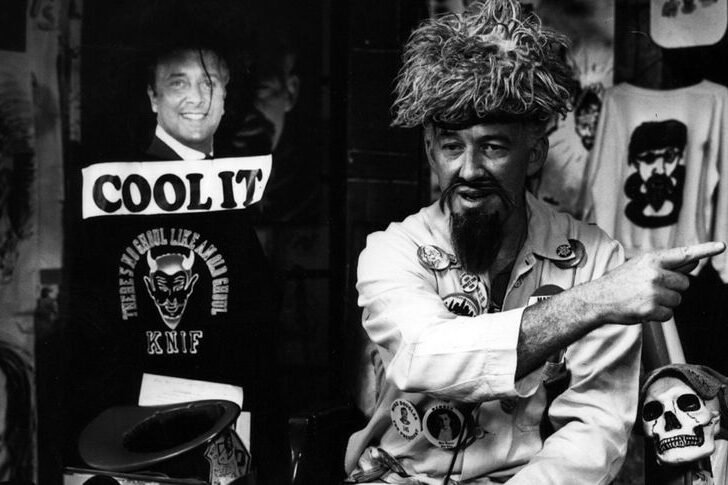
Cleveland’s beloved Ghoulardi was unlike any other local host. Played by Ernie Anderson in the early 1960s, this wild-eyed, beatnik horror host turned late-night B-movies into unforgettable viewing experiences. Dressed in a lab coat and surrounded by strobe lights, Ghoulardi delivered irreverent commentary, sound effects, and explosive laughter that made even the worst monster flicks worth watching.
Ghoulardi was more than a character, he was a cultural rebellion in lab coat and sunglasses. His style directly influenced future horror hosts and even inspired his son, famed director Paul Thomas Anderson. Clevelanders tuned in religiously, not for the movies, but for Ghoulardi’s outrageous humor and pranks. Decades later, he remains a symbol of offbeat, counterculture entertainment that thrived in local television’s golden age.
8. J.P. Patches (Seattle, WA)
If you grew up in the Pacific Northwest, chances are you remember J.P. Patches. Played by Chris Wedes, this lovable clown hosted “The J.P. Patches Show” on KIRO-TV in Seattle from 1958 to 1981. He welcomed kids each morning with wild antics, heartfelt messages, and a rotating cast of kooky characters.
J.P. Patches didn’t just entertain; he genuinely connected with his young audience. He’d call kids by name, respond to their letters, and remind them to eat their vegetables and brush their teeth. His show aired live, which meant anything could (and did) happen, giving it a spontaneous, joyful feel. Local fans still talk about “Patches Pals,” and Seattle honored him with a life-sized statue in 2008. His decades-long reign cemented his status as a true local treasure and childhood icon.
9. Seymour (Los Angeles, CA)
In 1970s Los Angeles, horror fans had Seymour, the sly and sarcastic alter ego of Larry Vincent. Hosting “Fright Night” and later “Seymour’s Monster Rally,” he turned B-grade horror films into must-watch TV with biting commentary and campy humor. Vincent’s Seymour stood out for breaking the fourth wall, throwing shade at bad movies, and tossing in sharp cultural critiques.
He wore a tattered tuxedo and delivered deadpan jokes that walked a fine line between spooky and satire. Seymour didn’t just host movies; he turned each segment into a mini performance. Horror buffs in L.A. still remember his quirky charisma and how he made Friday nights more fun. Though his time on screen was brief, his unique voice helped shape the horror-host genre and continues to inspire retro revival events and screenings.
10. Officer Joe Bolton (New York, NY)
For New York kids in the ’50s and ’60s, Officer Joe Bolton was the authority figure they actually liked. Dressed in a NYPD-style uniform, Bolton hosted shows like “The Little Rascals” and “The Three Stooges Funhouse” on WPIX-TV. He introduced each episode with respectful warmth, gentle humor, and moral lessons that were subtle but impactful.
Bolton’s “officer” persona helped him connect with kids while reinforcing positive values. Parents trusted him, and children adored him. He maintained a calm, comforting presence that stood in contrast to the chaos of the cartoons he introduced. His career lasted nearly two decades, making him a familiar and beloved face for a generation of New Yorkers. Even now, his image represents a golden era of local programming where kindness and consistency mattered just as much as entertainment.
11. Miss Jean (Denver, CO)
For children growing up in Colorado during the ’60s and ’70s, Miss Jean was a gentle, guiding presence. Hosting “Romper Room” on KMGH-TV, she brought kindness, order, and early education into homes across the region. With her Magic Mirror in hand, Miss Jean “saw” children watching and spoke their names aloud, creating an unforgettable emotional connection.
What made her iconic wasn’t just her patience or the cheerful songs, it was how real she felt. Her soft voice, calm tone, and affirming demeanor were a daily ritual for many families. Unlike national stars, Miss Jean felt truly local. She participated in community events, visited schools, and remained a symbol of comfort and consistency. Generations of Denver residents still recall her presence with warmth, crediting her with shaping their early memories and teaching values that stuck for life.
12. Sgt. Jack (Pittsburgh, PA)
Sgt. Jack, played by Joe Negri, was a favorite among Pittsburgh’s young viewers in the 1950s. Long before he became “Handyman Negri” on Mister Rogers’ Neighborhood, Negri donned a uniform and hosted “Adventure Time,” a popular local kids’ program on WQED. As Sgt. Jack, he introduced cartoons, taught safety lessons, and told stories that resonated with children and parents alike.
The show had a simple format but left a lasting impression. Sgt. Jack’s calm, respectful approach stood out in an era of clownish chaos. He modeled good behavior, encouraged curiosity, and made kids feel valued. Negri’s background as a jazz musician added warmth and rhythm to his storytelling. Today, Pittsburghers remember him not just as a host, but as a trusted figure who helped shape the golden age of local children’s TV in one of America’s most community-focused cities.
13. Commander Tom (Buffalo, NY)
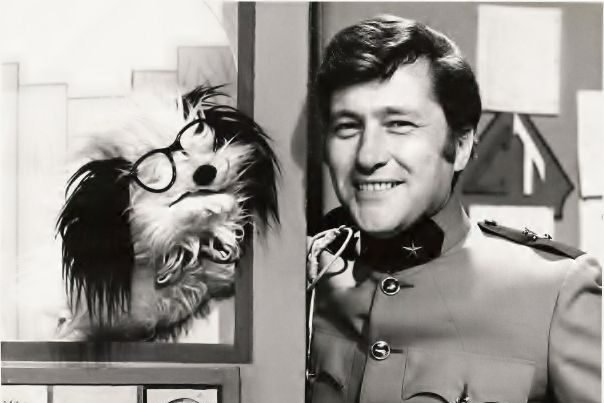
If you were a kid in Buffalo between the ’60s and early ’90s, chances are you tuned in to The Commander Tom Show. Hosted by Tom Jolls on WKBW-TV, Commander Tom had a wholesome, earnest presence that made him more than a TV personality, he was a beloved hometown friend. Featuring cartoons like Popeye and The Flintstones, the show was wrapped in kindness and simplicity.
Commander Tom used puppets, gentle skits, and heartfelt messages to connect with kids. He emphasized imagination and positive values without ever feeling preachy. Viewers remember him as dependable, humble, and endearing, and his long run made him a fixture in Buffalo homes for decades. Even after retiring, Tom Jolls remained involved in the community, and today his legacy lives on through local tributes and nostalgic retrospectives. He represents the very best of what local TV could offer: trust, charm, and genuine connection.