
1. You had to master perfect etiquette, posture and manners
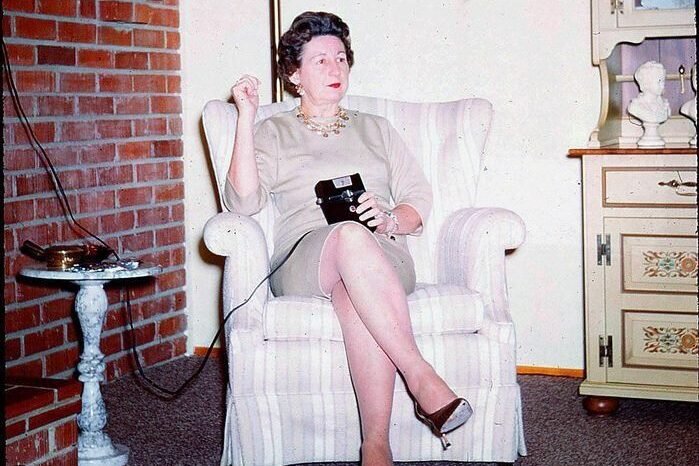
In the 1940s, etiquette manuals demanded rigid behavior from women. They practiced posture by balancing books on their heads and learned to remove gloves with minimal motion. Any fidgeting or casual posture was considered impolite. Social rules dictated constant composure, suppressing natural behavior in favor of controlled elegance.
Cultural critics note that this emphasis on perfection of movement reinforced restrictive ideas of femininity. Women were expected to behave like moving ornaments rather than expressive beings. This rule for women in the 1940s feels absurd today. It shows how social control was embedded in even the most mundane aspects of daily life.
5. Women trained to polish their husband’s uniform and dagger
In Nazi Germany during the 1940s, elite women attended Reich Bride Schools where they learned domestic perfection, including ironing, cooking and childcare. But they also received ideological training. One part of their duties was polishing their husband’s SS uniform and dagger. This was seen as part of their role supporting the regime through domestic service.
Modern historians highlight that the training went beyond household tasks. It was designed to bond women ideologically to male-dominated institutions and to cement the female role as enforcer of state ideology. Today this seems extreme. It reveals how deeply totalitarian regimes-controlled women’s lives under the guise of etiquette and service.
2. You could not go out alone at night after dark
In 1940s Spain, under Franco’s dictatorship, women needed a male relative to accompany them if they went out after dusk. Unaccompanied women on the street at night could be reported to authorities or even detained. This national policy enforced a curfew that strictly limited female mobility and social freedom. It treated women as dependents who could not move freely in public spaces.
Gender historians say this rule reinforced social control by the state, treating adult women as wards needing supervision. Even private social life was regulated by male presence. Comparing that to today, where women walk alone at any hour, this rule shows just how restricted and paternalistic norms for women in the 1940s really were.
3. Women needed a husband’s permission to open a bank account or work
In Francoist Spain during the 1940s, adult women, even married ones, were legal minors in the eyes of the law. They could not open bank accounts or sign employment contracts without written permission from their father or husband. Many jobs were off-limits unless male consent was granted. This rule meant women lacked autonomy over basic financial decisions.
Legal scholars observe that this guardianship system relegated women to a dependent status that extended deep into everyday life. It made them economically invisible and unable to act independently. Today we take legal autonomy for granted. That such extreme restrictions existed on women’s rights makes it feel absurd and shocking to modern readers.
4. If you married you had to quit your job
In many parts of the U.S. and U.K. during the 1940s, a “marriage bar” forced women to resign once they got married. Employers believed husbands would provide and that married women were a drain on limited jobs. In state government jobs up to twenty‑six states enacted laws banning married women from working by 1940 in the U.S. Teachers, clerks, civil service staff were routinely dismissed. This absurd rule for women seems unbelievable now but it was widespread and socially accepted.
Experts in labor history explain that these policies slowed women’s career advancement and cemented gender inequality in the workplace. The barriers were gradually removed after World War II as women’s labor was needed, but legal protections only came with Title VII of the Civil Rights Act in 1964. This rule clearly illustrates how women’s roles in the 1940s were legally constrained by marital status.
5. Women trained to polish their husband’s uniform and dagger
In Nazi Germany during the 1940s, elite women attended Reich Bride Schools where they learned domestic perfection, including ironing, cooking and childcare. But they also received ideological training. One part of their duties was polishing their husband’s SS uniform and dagger. This was seen as part of their role supporting the regime through domestic service.
Modern historians highlight that the training went beyond household tasks. It was designed to bond women ideologically to male-dominated institutions and to cement the female role as enforcer of state ideology. Today this seems extreme. It reveals how deeply totalitarian regimes-controlled women’s lives under the guise of etiquette and service.
6. You were discouraged from speaking in public meetings
In the 1940s, social etiquette suggested that women remain quiet in formal gatherings, particularly when men were present. Speaking out of turn or offering an opinion was seen as brash or unfeminine. Women were often told to defer to male voices in business and community discussions, limiting their influence and visibility. This expectation kept women on the sidelines even when they had valuable ideas to share.
Experts in gender history say this norm perpetuated the belief that women belonged in domestic spaces, not public discourse. It discouraged female leadership and political participation for decades. While today women chair meetings and run for office freely, this rule reminds us of how societal barriers silenced women’s voices in the 1940s, often without any formal law but with strong social pressure that felt just as restrictive.
7. You couldn’t wear trousers outside factory work
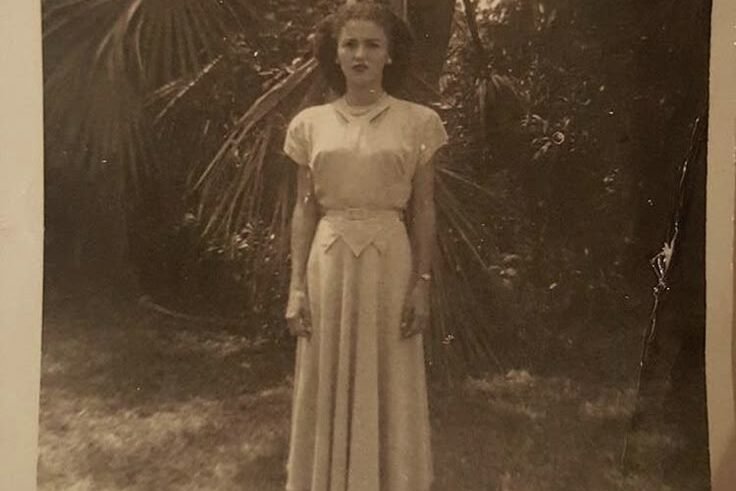
Fashion rules in the 1940s dictated skirts and dresses for women in public, with trousers considered inappropriate unless you worked in wartime factories. Even then, pants were labeled a temporary necessity, not a choice. Social judgment followed women who wore slacks casually, as it challenged norms about femininity and “proper” appearance. Fashion magazines advised against trousers for everyday wear unless no men were present.
Cultural historians point out this rule reinforced a narrow view of womanhood tied to clothing. Pants symbolized independence, which society tried to suppress outside workspaces. By the 1950s, trousers gradually entered women’s wardrobes, but in the 1940s, simply wearing them for comfort could cause scandal. Today, this restriction feels ridiculous, highlighting how something as simple as fabric choice was once a battleground for women’s freedom to express themselves.
8. You were expected to hide pregnancy at work
Employers in the 1940s frowned on visible pregnancy in offices or schools. Many women were asked to resign by the second trimester or take unpaid leave. The belief was that pregnancy disrupted professionalism and made women unfit for public work. Maternity clothes were designed to conceal baby bumps, keeping motherhood private and out of sight in professional settings.
Social historians note this rule reinforced the idea that a woman’s role stopped at home once pregnant. It created barriers to financial independence and made motherhood seem incompatible with ambition. Today, pregnancy protections in workplaces exist because of decades of activism. In the 1940s, expecting a child meant risking your livelihood, showing how systemic the control over women’s bodies and labor once was, with social customs enforcing shame around something natural.
9. You could not own property independently in many places
Across several countries in the 1940s, laws required a husband or father to co-sign property deeds for women. In parts of Europe and the U.S., a married woman’s property was legally under her husband’s name. Widows sometimes had to petition courts to keep their homes. This rule limited women’s ability to build wealth and left them vulnerable if relationships failed or partners died young.
Legal experts say these property restrictions came from older coverture laws that saw wives as extensions of their husbands. This outdated mindset meant women had no independent standing in financial or legal matters. Today, property ownership is a right women in many nations take for granted. Looking back, this rule feels like a stark reminder of how laws institutionalized inequality, denying women the same opportunities men had to secure their futures.
10. You had to prioritize hosting skills over education
In the 1940s, young women were often trained for social graces rather than intellectual growth. Finishing schools taught etiquette, table settings, and how to host dinners perfectly. Higher education was considered less important unless it prepared women for teaching or nursing. Ambitions outside homemaking were discouraged, reinforcing the idea that a woman’s main value came from pleasing guests and family.
Social researchers argue that these expectations kept women in supportive roles rather than leadership positions. Knowledge and skill were directed toward serving others rather than personal achievement. Today, seeing women as equals in science, politics, and industry highlights how misguided this rule was. The 1940s expectation that hosting well defined your worth is one of the clearest examples of social rules holding women back from realizing their full potential.
11. Divorce was considered shameful and socially unacceptable
In the 1940s, a divorced woman often faced social ostracism. Churches, neighbors, and even employers treated divorced women as morally flawed. Legal divorce existed but carried stigma so heavy that many women stayed in harmful marriages to avoid public judgment. Divorcees struggled to rent homes or find work because of tarnished reputations, limiting their freedom to start anew.
Family historians explain this rule grew from strict ideas of marriage as a woman’s ultimate purpose. Breaking that bond branded her as a failure regardless of circumstances. Today, divorce is recognized as a personal decision and often a necessary step toward safety or happiness. The 1940s stigma made life doubly hard for women, punishing them for seeking independence or leaving toxic situations.
12. You had to seek permission to travel long distances
Women traveling alone in the 1940s often needed a husband’s or father’s approval to book train tickets, leave the state, or apply for a passport. Some hotels refused unaccompanied female guests to avoid “scandal.” These rules were framed as protection but ultimately limited freedom to explore or relocate for opportunity. Solo travel was a privilege mostly reserved for men.
Experts in social mobility note this restriction slowed women’s access to careers and education elsewhere. Being tethered to male permission meant fewer chances to escape poverty or unhappy relationships. Modern women traveling globally on their own show how absurd this control seems now. In the 1940s, even the idea of independent adventure was often out of reach for women because rules made it so.
13. You were expected to maintain beauty standards at all costs
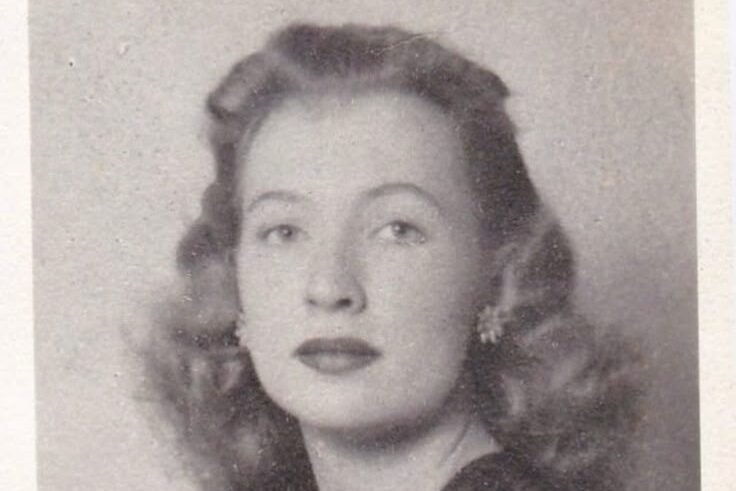
In the 1940s, women were told to never be seen without makeup or neat hair, even at home. Magazines taught that a wife’s job was to stay pretty for her husband, suggesting men deserved glamour no matter how women felt. Beauty routines were framed as moral obligations, with social shaming for those who didn’t comply daily.
Cultural analysts highlight that this rule tied women’s value to appearance alone, fostering anxiety and self-policing. It left little room for authenticity or self-expression outside male approval. Today, women have more freedom to reject beauty expectations. Looking back, this rule feels especially unfair, showing how social norms once dictated personal choices, leaving women trapped in endless grooming rituals to be considered respectable.