
The Brady Bunch’s Split-Level Suburban Dream
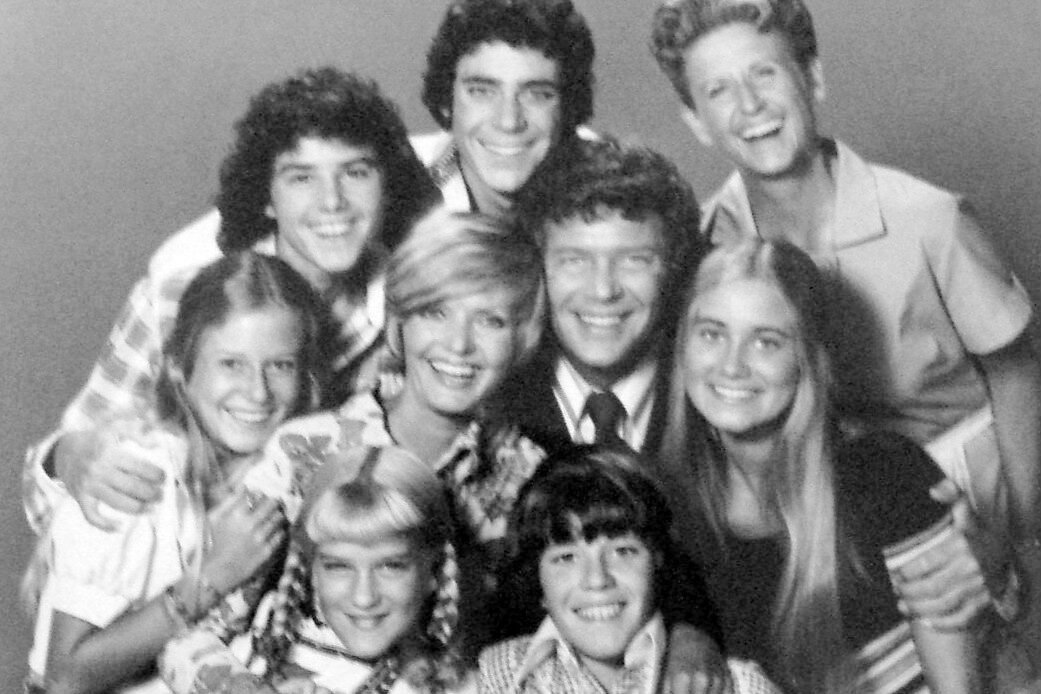
On the surface, the Brady home seemed like your average suburban house. A dad architect, six kids, and a groovy housekeeper all shared this wide-open, shag-carpeted wonderland. But the moment you tried to map it in your head, things got strange. Where exactly did all those bedrooms fit? Why did the staircase seem to go nowhere? And how did Alice manage to appear out of thin air at just the right time from that mysterious back hallway?
Yet none of that mattered. This house had soul. The sunken living room with its earthy brick wall and ever-present green plants felt like the beating heart of the family. The kitchen, with its swinging door and hidden breakfast nook, was where life happened. You could practically smell Marcia’s lip gloss and hear Greg’s guitar strums echoing up the stairs. It may have defied the laws of layout, but for millions of viewers, this house was the blueprint for what a warm, loving home should feel like.
The Full House Victorian That Just Kept Going
Tucked into San Francisco’s iconic Painted Ladies row, the Tanner family home was both impossibly beautiful and hilariously unrealistic. From the outside, it looked like a charming but compact Victorian. But once you stepped inside the show’s world, that house seemed to expand like a magical portal. It had enough room for three adult men, three growing girls, a dog, a baby, and later, even more family members. And nobody ever fought over bathroom space.
What made the house unforgettable wasn’t its architecture, it was its feeling. The front room with the bay windows was always flooded with light, perfect for hugs and heartfelt speeches. The attic somehow transformed into a studio apartment that rivaled anything on HGTV. And the kitchen table was practically a fourth-wall character, holding memories of cereal-fueled heart-to-hearts and late-night snacks. Tourists still flock to see the exterior, hoping to feel what we all felt as kids: that home could stretch to hold every messy, lovable part of life.
Monica’s Purple-Walled Palace in Friends
Supposedly rent-controlled and passed down from a grandmother, Monica’s New York City apartment was the holy grail of unrealistic sitcom living. The space was huge by Manhattan standards, with a kitchen roomy enough for dance breaks, a living room big enough to host entire Thanksgivings, and somehow, a second bedroom that managed to accommodate all the chaos of Rachel’s comings and goings.
The layout made zero sense to actual New Yorkers, but it did not matter. That purple-walled haven was where friendship felt like family. The mismatched furniture, quirky art, and always-full fruit bowl gave it a lived-in feel that pulled you in. The window over the kitchen sink became an emotional portal for late-night confessions and morning pep talks. It was not about square footage. It was about energy. Monica’s apartment felt like a soft place to land, a space where life’s biggest laughs and heartbreaks could happen without judgment, just one sarcastic Chandler quip away.
The Fresh Prince’s Bel-Air Mansion
When Will Smith rolled up to the Banks mansion in Bel-Air, the sheer size of the place felt like a whole new world. But over time, that cavernous house, with its sweeping staircase and impossibly spotless kitchen, started to feel more like a second skin. The living room alone looked like it could host a wedding. Yet somehow, it also worked as the setting for quiet father-son talks and Carlton’s dramatic dance moves.
The house defied logic in the best way. Rooms appeared and disappeared between seasons. The pool was shown once and then forgotten. And the dining room seemed to be both right off the entry and buried somewhere deep in the back wing. But the Banks home represented possibility. It was a place where worlds collided. West Philly met Beverly Hills, old money met street smarts and still, everyone grew. The architecture may have been inconsistent, but its emotional structure was rock solid.
The Golden Girls’ Surprisingly Spacious Ranch
From the outside, the Golden Girls’ Miami home was a pleasant one-story ranch with tropical flair. Inside, however, it felt like a sprawling villa of endless hallways, massive bedrooms, and a lanai that saw more late-night cheesecake than some restaurants. It was supposedly a simple shared space for four retired women. Yet the layout suggested something closer to a sitcom labyrinth.
Rooms would shift positions, and guests appeared from wings of the house that had never been mentioned before. But who cared? The heart of the home was always that round kitchen table where Blanche, Rose, Sophia, and Dorothy swapped stories and teased each other through tears and laughter. The pastel furniture, rattan accents, and endless pitchers of iced tea made the whole place feel like a hug from your favorite aunt. You didn’t need it to make sense. You just needed it to exist, so you could dream of someday laughing through life with your own chosen family under a Floridian sunset.
The Keaton House from Family Ties
The Keaton home was the quintessential 80s middle-class dream. Wood paneling, cozy couches, and a front door that seemed to open onto a new set every season. Still, it felt like the kind of place you wanted to walk into after a long day of school, drop your backpack, and grab a snack from the fridge before talking politics with your dad and sarcasm with your brother.
This house gave comfort even though the actual floor plan changed subtly over the years. The staircase seemed unusually prominent, like a character in its own right, and the dining room sometimes led into different corners depending on the storyline. But no one watching cared. The Keaton home felt lived in. It felt earned. It was a home that represented both the stability of family values and the quiet tension between generations. And through it all, it reminded us that a house doesn’t have to be perfect on paper to feel like the center of your universe.
The Seinfeld Apartment That Seemed to Break NYC Laws
Jerry Seinfeld’s Upper West Side apartment was supposed to be a one-bedroom for a single guy, but it somehow hosted dozens of people every season. There was always someone barging in, Kramer, George, Elaine, Newman and yet the space never felt crowded. The hallway alone saw more drama than most living rooms. And don’t even try to figure out how Kramer’s apartment worked across the hall. That place was its own sitcom Bermuda Triangle.
Still, Jerry’s place had this crisp, comforting familiarity. The bike on the wall, the cereal-stuffed cabinets, the tiny kitchen nook that somehow functioned as the show’s headquarters—it all made no practical sense, but emotionally, it nailed it. Fans could sketch the layout from memory despite the fact that certain doors moved depending on the episode. It was a bachelor pad, a writers’ room, and a family living room rolled into one. For a generation raised on observational humor, this apartment became the most recognizable backdrop of the 90s.
The Winslow House from Family Matters
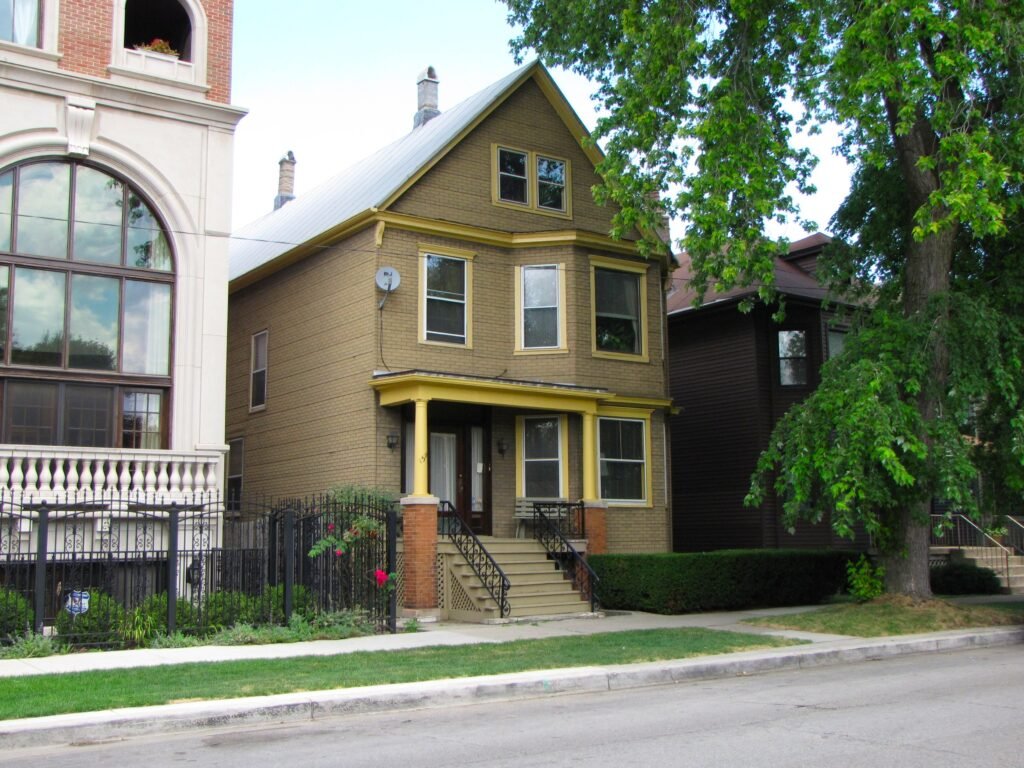
The Winslow home in Family Matters looked like your typical Chicago residence from the outside. But inside, it was the kind of space where walls bent to accommodate whatever scene needed to happen. There was always room for one more person, even when that person was Steve Urkel crashing in unannounced or turning the kitchen into a science lab.
Somehow, it all worked. The living room was a staple of the show—perfect for both slapstick chaos and those surprisingly emotional family moments. The upstairs, while rarely shown, was treated like a maze of bedrooms and staircases that appeared and disappeared at will. For viewers, it didn’t matter if the hallways made sense. The Winslow home was a comforting backdrop that captured the messy beauty of big family life. Even when things got over the top, the house felt grounded, like it had been lived in forever. That’s what made it real.
The That ‘70s Show Basement Hangout
While not a traditional home setting, the Forman basement from That ‘70s Show deserves a spot on this list because it became the emotional core of the entire series. Sure, we occasionally saw the kitchen, living room, and Red’s grumpy recliner, but the basement? That was where everything happened.
Somehow, all the teens fit down there comfortably, surrounded by mismatched furniture, bean bags, and lava lamps. There was never a shortage of snacks or sarcasm. The space itself felt like it grew with them always just big enough to hold their evolving friendships, first kisses, epic fights, and cloud of teenage rebellion. If you ever wished your friends had a cool place to crash after school, this was the dream. It wasn’t architecturally impressive or even very clean, but it felt more like home than any fancy dining room ever could.
The Diff’rent Strokes Penthouse
When Arnold and Willis moved from Harlem to a Park Avenue penthouse in Diff’rent Strokes, it was a culture shock for them and viewers alike. The apartment was enormous. Giant windows, spiral staircases, and enough room to play indoor basketball if you moved a few chairs. It felt less like a New York apartment and more like a luxury hotel suite on permanent standby.
And yet, it worked. The big space mirrored the big heart of Mr. Drummond’s character. It was meant to show contrast, yes, but also belonging. Over time, that oversized apartment became a real home. The elevator rides, the breakfast table chats, the way Arnold made the place his own it all added layers. It didn’t matter that the layout could never exist in a real building without costing a fortune. For kids watching at home, it was a reminder that even the fanciest place could feel like family if the love inside was real.
The I Love Lucy Apartment with the Magical Kitchen
Ricky and Lucy Ricardo’s New York apartment may have looked tiny, but it somehow had everything they needed until it didn’t. One episode had a full kitchen. Another featured a different dining layout. At times, the bedroom door switched sides. But none of that disrupted the cozy rhythm of one of TV’s most legendary couples.
This was more than a sitcom set. It was the birthplace of slapstick comedy that still holds up today. Fans didn’t care where the closet door led or how the neighbors fit in. The real magic was in the way the space seemed to shift to accommodate every plot twist, from Lucy’s failed acting gigs to baby Little Ricky’s arrival. The inconsistencies only added to the charm. The Ricardos’ home was like a stage where everyday life became extraordinary, and laughter filled the cracks between the floorboards.
The Good Times Apartment That Felt Too Small for Big Dreams
The Evans family lived in a cramped Chicago housing project apartment in Good Times, and yes, it made total sense that space was tight. But even then, the logistics sometimes faltered. Bedrooms shifted, furniture rearranged mysteriously, and the living room somehow always accommodated another neighbor or community member dropping by.
Yet that small space held monumental love. The struggle was real, but so was the hope. The couch saw tears and laughter. The kitchen table was where life decisions happened. It may not have been a dream home, but it was one that reflected the grit and grace of families doing their best. And because the show didn’t sugarcoat the realities, that home stuck in our memories not because of its flaws, but because of its fierce authenticity.
The Roseanne House Where Everything Was Just a Bit Off
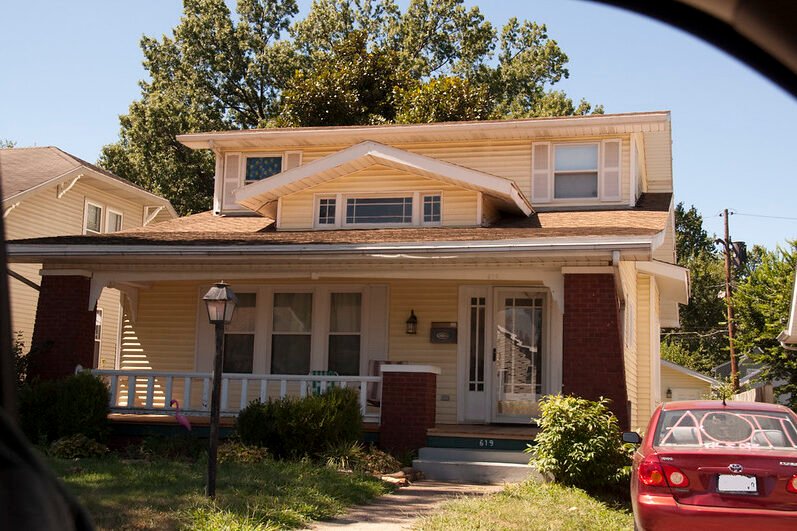
The Conner home in Roseanne was supposed to be a working-class family’s small town house, and to its credit, it mostly looked the part. But over the years, rooms were remodeled without explanation, doors opened to nowhere, and the basement sometimes looked like it belonged in a different house entirely.
Still, the Conner house resonated. It was messy, loud, cluttered, and full of sarcasm exactly what real homes feel like. The couch with its familiar afghan, the creaky front porch, the fridge covered in bills and magnets, it was all so perfectly imperfect. Even if the layout made you scratch your head, the emotional blueprint was unmistakable. For viewers who grew up in houses just like it, this one didn’t need to be fancy or flawless. It just had to be real.