
The Golden Girls’ Miami Mystery

The Golden Girls‘ house felt like the Florida vacation you never wanted to end. Rattan furniture, pink walls, leafy decor, and that cozy kitchen table where cheesecake was practically a cast member. But anyone paying close attention might have noticed something funny. How did four grown women, all with their own rooms, closets, and dating lives, fit so comfortably in a house that never showed more than one hallway?
Fans have long puzzled over the architecture of the house. The front door led to what appeared to be the back of the house, and the bedrooms changed locations depending on who was storming out of which argument. Still, none of that mattered when Blanche flounced into the living room or Sophia shuffled in with a zinger. That room saw tears, fights, laughs, and more costume changes than any of us were prepared for. The rest of the house may be lost in sitcom mystery, but that living room? It was the epicenter of every unforgettable moment.
Seinfeld’s Sit-and-Stay Space
Seinfeld was a show about nothing, but the living room in Jerry’s Upper West Side apartment meant everything to fans. That small, boxy space with its blue couch, bike on the wall, and cereal-filled cabinets was where most of the action happened. Kramer barged in, George paced, Elaine curled up on the armrest, and the gang spun nothing into gold. But did anyone ever wonder where the rest of the apartment went?
There was a hallway that occasionally led to a bedroom or a bathroom, but the floor plan seemed to shift depending on the joke. You never really saw Jerry sleep, but you saw him argue about towels. The kitchen somehow stored an endless supply of snacks and yet barely had counter space. Still, the simplicity of the living room made it iconic. It felt lived in, perfectly messy, and eternally open for drop-ins. If New York apartments were that comfortable, we’d all have moved by now.
The Tanner’s Full House Illusion
Full House painted a picture of perfect chaos. Three adult men, three young girls, a baby, and a dog all coexisted under one San Francisco roof. The living room was the heart of it all. Open and sunny, with a staircase you could never unsee and a fireplace that seemed to change size, it was the spot for heart-to-hearts and spontaneous hugs. But something never quite added up.
How did everyone have their own room? Where did the attic come from? And why did no one ever use the front door unless they were making a dramatic exit? The living room was the set’s central stage, but it always left you wanting more spatial clarity. Still, no kid growing up in the 90s cared about logistics. All we saw was a warm, cozy room where problems were solved, music was played, and love poured out in every direction. It didn’t need architectural sense, it had soul.
The Jeffersons’ High-Rise Hangout
Moving on up to the East Side meant more than just a catchy theme song. The Jeffersons’ deluxe apartment in the sky was a statement piece. With its bold colors, mirrored accents, and sweeping views of nothing in particular, the living room was where George strutted, Louise sighed, and Florence served up snark with polish. But when you really stopped to think about it, the rest of the apartment felt like a mystery novel with half the pages missing.
Occasionally, we saw bedrooms or a kitchen, but the transitions made little sense. Doors led to places that changed weekly. It was hard to tell how many bathrooms the place had or where Lionel’s room actually sat in the layout. And still, we tuned in week after week, because the living room had gravity. It was dramatic, full of life, and oozed with personality. It may not have been the most realistic apartment, but it was one of the most unforgettable.
The Brady Bunch’s Suburban Stage
Ah, the Brady living room. With its iconic staircase, orange and green color palette, and that giant open space perfect for talent shows and serious family meetings, it defined the look of 70s family life. But even as you sang along to the theme song, you might have found yourself wondering: where did all those kids sleep?
Sure, you occasionally saw a bedroom or two, but the house’s floor plan never truly made sense. There were supposed to be six children, two parents, and a housekeeper—and yet, the space always looked impossibly tidy and open. That staircase never seemed to go to the right places, and Alice’s room appeared to exist in a completely different universe. But the living room? That was the show’s beating heart. Whether it was hosting a group singalong or absorbing the chaos of a broken vase, it somehow grounded an otherwise spatially confusing house. You didn’t have to understand it. You just had to love it.
The Friends Apartment with the Infinite Hallway
The purple walls, mismatched furniture, and gold picture frame on the door made Monica’s apartment in Friends one of the most recognizable living rooms in TV history. It was always spotless, always filled with people, and always somehow big enough to host Thanksgiving dinner for ten. But when you really started watching, you had to ask yourself where was all that space coming from?
The apartment was supposed to be a rent-controlled two-bedroom in Greenwich Village, yet it seemed to expand and contract based on the storyline. The hallway led to bedrooms that changed orientation. Bathrooms magically appeared. Sometimes you’d see a mysterious door behind the kitchen that was never mentioned again. Still, this was where memories were made. Where Rachel ran in with a wedding dress, where Ross yelled about the “pivot,” and where so many of us imagined ourselves flopped on that couch sipping coffee from oversized mugs. Layouts be damned. This was home.
The Fresh Prince’s Bel-Air Illusion
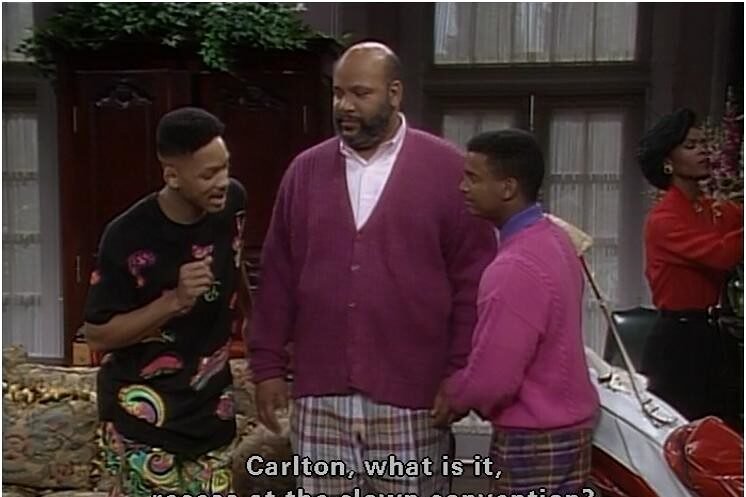
Will Smith’s move from West Philly to Bel-Air came with serious real estate upgrades. The Banks’ mansion had tall columns, winding staircases, and a living room that practically sparkled. It was a palace on TV, with elegant furniture and walls lined with art. But something didn’t add up. Sometimes there was a dining room next to the stairs. Other times, there was a sunken lounge. The kitchen morphed, the second floor vanished, and yet the main room remained the showpiece.
As you watched Uncle Phil lecture, Will crack jokes, or Carlton dance across the rug, you never quite figured out where the bedrooms were or how many wings the house really had. Still, none of it mattered. The living room felt like the place where new beginnings were nurtured. For a generation, it was where culture, family, and growth played out under one impossibly high ceiling. It wasn’t just a set. It was a vision of transformation.
The Roseanne Conner’s Lived-In Chaos
The Conner living room was the opposite of glitz. It had worn furniture, a TV that looked borrowed from a garage sale, and clutter that felt incredibly familiar. You could almost smell the leftovers in the kitchen or feel the static from that crocheted afghan on the couch. But spatially, the rest of the house remained a blur. Bedrooms were referenced, bathrooms appeared out of nowhere, and the basement might as well have been a portal to another universe.
Still, what made that space unforgettable wasn’t logic. It was life. The couch was where Dan rested after long work days. It was where arguments broke out, jokes were shared, and hard truths were spoken. No one cared how the rooms connected. We saw ourselves in those walls. That living room showed real working-class America in a way sitcoms rarely do. It was raw, messy, and beautifully imperfect just like life.
The I Love Lucy Apartment’s Shifting Doors
Ricky and Lucy Ricardo’s New York apartment was the blueprint for sitcom living rooms. That little front room with its compact furniture and checkerboard floor was simple, yet iconic. But fans of I Love Lucy noticed long ago that the set loved to change. Doors moved, furniture rotated without warning, and walls vanished or appeared depending on the week’s plot.
Sometimes the apartment felt cozy. Other times, it was surprisingly spacious. But for viewers, none of that disrupted the magic. This was where Lucy plotted her wild ideas, where Ethel and Fred dropped in, and where domestic comedy found its golden era. The layout might’ve been impossible, but the laughter was always real. Every rerun takes us right back to those black-and-white moments when the world felt simpler and the biggest worry was whether Lucy could sneak onto Ricky’s stage.
The Home Improvement Blueprint That Never Quite Fit

Tim “The Toolman” Taylor may have been obsessed with home renovations, but the layout of his own house remained a bit of a mystery. The living room was often the stage for father-son talks, neighborly visits, or Jill’s eye rolls as Tim tried another half-baked fix. But beyond that, doors led to rooms that seemed to shift like a funhouse. The kitchen and garage changed angles. The kids’ bedrooms appeared to float in undefined zones of the house.
Still, the living room anchored everything. With its neutral tones, tall windows, and that comforting couch, it was where the Taylors gathered and where audiences connected. You didn’t need a floor plan to feel like you were part of the family. That space captured the spirit of suburban life in the 90s: filled with growing pains, heartfelt laughs, and a dad who always meant well even when he blew out the fuse box.