
1. Tipping Everywhere

In the United States, tipping is expected nearly everywhere. From restaurants and coffee shops to hair salons and ride-shares, gratuity is often built into the experience. To Europeans, this habit can feel confusing and overwhelming. Across much of Europe, tipping is optional and modest, typically reserved for exceptional service. But in America, where service workers are sometimes paid below minimum wage, tipping evolved into a necessary supplement.
Experts say this model helps businesses by reducing labor costs and placing the burden on customers. Still, it creates inconsistency and pressure, especially when tip prompts appear at self-checkout counters. Europeans, who are used to clear wages and pricing, often feel uneasy with this system. What Americans may consider polite or generous can feel like forced generosity to others. This cultural divide leaves many visitors second-guessing how much to tip and when, turning a simple transaction into a social dilemma.
2. Free Refills on Drinks
Unlimited refills of soda, coffee, or iced tea are a common sight in American diners and fast-food spots. In Europe, this concept is nearly unheard of. There, drinks are priced per serving, and you’re expected to savor every drop. For Europeans visiting the U.S., the idea of bottomless beverages can seem excessive. The practice started as a marketing tool to increase perceived value and customer satisfaction.
Health experts have raised concerns about this habit, especially since it promotes the overconsumption of sugary drinks. Europeans, who tend to see mealtime as a slow, social affair, are puzzled by this fast and constant beverage cycle. In their eyes, it feels less like hospitality and more like indulgence. To Americans, however, free refills represent generosity, convenience, and freedom of choice. This simple offer of another drink often becomes one of the most surprising and memorable parts of a European’s American dining experience.
3. Chatting with Strangers
In the United States, small talk with strangers is almost a social ritual. Whether you’re waiting in line, walking the dog, or grabbing coffee, Americans tend to initiate friendly conversations with people they’ve never met. Europeans often find this behavior unusual. In many parts of Europe, people value privacy and reserve, especially in public settings.
Cultural researchers say that in diverse and fast-moving American cities, casual chatter acts as social lubrication. It fills awkward silences and builds brief, pleasant interactions. For Europeans, though, this kind of talk can feel forced or overly cheerful. They may wonder why someone they don’t know is asking how their day is going. For Americans, it’s simply a way of creating warmth and connection, no strings attached. What may seem like empty conversation to some can feel like a genuine gesture of friendliness to others.
4. Supersized Portions
A first meal in the U.S. often comes with shock and awe for European travelers. Plates are large, drinks come in massive cups, and side portions could feed two people. This “bigger is better” attitude is deeply rooted in American dining. The trend took off in the 1970s when restaurants began offering large portions to build customer loyalty and signal good value.
Nutrition experts warn that such serving sizes contribute to rising obesity rates and increased food waste. Europeans typically eat smaller meals and focus on quality and presentation rather than sheer quantity. For them, an American entree can feel overwhelming, even excessive. While many Americans see large servings as generous and satisfying, visitors may struggle to finish and wonder why meals are so huge. This portion size culture is one of the clearest signs of how American habits diverge from European dining expectations.
5. Drive-Thru Everything
In the U.S., it’s normal to do all sorts of errands without leaving your car. You can grab coffee, pick up prescriptions, deposit checks, and even get married—all from behind the wheel. Drive-thru culture was born in the 1930s and expanded rapidly as suburbs and car ownership grew. Europeans, who often live in walkable cities and towns, find this auto-focused lifestyle very unusual.
Urban experts suggest that this habit reflects America’s emphasis on convenience and time-saving efficiency. In Europe, physical movement and public interaction are part of daily life. Americans, however, are accustomed to speed and privacy, making the car an extension of the home. For tourists used to strolling marketplaces and public squares, the idea of never stepping out of your car can feel isolating. Still, many Americans couldn’t imagine life without it. To them, drive-thrus are a necessity, not a luxury.
6. Tax Not Included in Prices
Shopping in America can come with a surprise. The price on the tag often doesn’t match the total at checkout because sales tax is added later. For Europeans used to VAT-inclusive pricing, this feels confusing. In countries like France or Germany, what you see is what you pay. There’s no mental math needed when browsing the aisles.
Economists explain that this is due to the decentralized nature of American tax laws. With states and cities setting their own rates, it’s difficult to display a single final price on products. U.S. businesses also tend to prefer pre-tax prices for marketing purposes. But for visitors, this leads to frustration and a feeling of dishonesty. Europeans expect transparency and consistency when shopping. For them, not knowing the final cost until the register beeps is one more strange wrinkle in an already puzzling shopping experience.
7. Sales All the Time
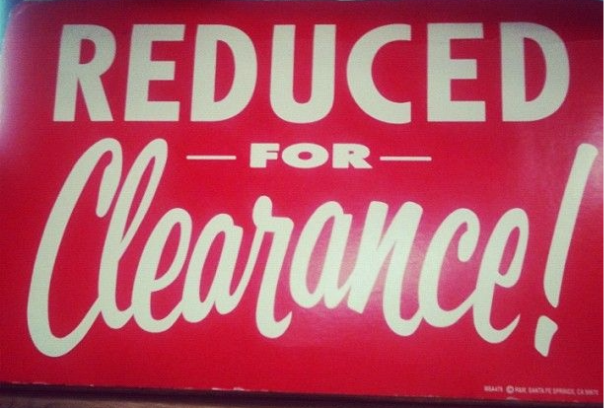
Walk into nearly any American store and you’re bound to see red tags, clearance signs, or some form of a “limited time” sale. This constant discounting can leave European visitors stunned. In many European countries, sales are seasonal and strictly regulated. They happen a few times a year and generate real excitement when they arrive.
Retail analysts point out that American consumers are trained to expect deals year-round. In fact, shoppers often refuse to buy at full price, knowing another markdown is just around the corner. This encourages impulsive purchases and cluttered retail spaces. Europeans, who tend to value quality and sustainability, view constant sales as a sign of overproduction and marketing manipulation. To them, it feels like the product was overpriced to begin with. While Americans love a good bargain hunt, visitors may find the endless promotions dizzying and less meaningful.
8. Personal Space Rules
Americans are known for keeping a personal bubble. In conversation, people often stand about an arm’s length apart, and physical touch like cheek kisses or shoulder taps is reserved for close relationships. Europeans notice this difference immediately. In many cultures, being close in proximity shows warmth and connection.
Social scientists explain that American ideas of comfort and respect are often tied to maintaining physical space. This is especially noticeable in places like elevators, queues, or seating arrangements. For Europeans from countries like Spain or Italy, the American need for distance can feel cold or overly formal. On the flip side, Northern Europeans may find it perfectly normal. These subtle, invisible habits say a lot about how different cultures view privacy and boundaries. For travelers, adjusting personal space can be just as tricky as navigating a new language.
9. “How Are You?” Doesn’t Mean What You Think
In America, “How are you?” is often just a way to say hello. It doesn’t necessarily invite a detailed answer. Many Europeans are caught off guard by this. In their cultures, that question typically signals genuine concern, and a real response is expected.
Linguists classify it as a “phatic” expression—language meant to open a conversation, not explore feelings. Americans usually respond with “Good” or “Fine,” even if they’re not. For Europeans, this can feel fake or shallow. They may take the question literally and start describing their day, only to realize the person has already moved on. For Americans, it’s more about setting a pleasant tone than starting a dialogue. Once visitors understand this, they often learn to reply in kind, even if it feels a bit strange at first.
10. Enthusiastic Customer Service
Walk into an American store, and someone will likely greet you with a smile and a cheerful “Can I help you find anything?” In restaurants, servers often check in multiple times and leave with a friendly “Have a great day!” Europeans sometimes see this level of service as fake or overly performative.
In the U.S., where tips and commissions drive service industries, workers are motivated to be extra attentive. This creates a culture of friendliness and quick problem-solving. In Europe, where service staff are typically salaried, the interaction is more neutral and less intrusive. While Americans may appreciate the enthusiasm, some visitors interpret it as insincere or exhausting. Still, others enjoy the upbeat atmosphere and see it as a sign of hospitality. Whether loved or loathed, this high-energy approach leaves a lasting impression.
11. Work Defines Identity
When meeting someone new in the U.S., the first question is often, “What do you do?” Americans tend to define themselves through their jobs. For Europeans, this can feel intrusive or overly focused on productivity. In many European cultures, personal identity is shaped more by family, leisure, and lifestyle.
Sociologists note that in the American dream narrative, work is tied to success, progress, and purpose. Climbing the career ladder is seen as a life goal, not just a way to earn money. In Europe, where work-life balance is prioritized, it’s common to separate personal and professional roles. Asking about someone’s hobbies or travels might be more appropriate in a European setting. For Americans, though, discussing work is just a way to find common ground and show ambition. It’s a habit that reflects how tightly career and identity are woven together.
12. Ice in Every Drink
Whether it’s soda, juice, or even water, Americans love to load their drinks with ice. Europeans often find this odd, especially since most drinks in Europe are served cool but rarely with more than a cube or two. In some places, asking for ice might even get you a puzzled look.
Historians trace this preference back to the early 20th century when refrigeration became widespread and ice symbolized cleanliness and prosperity. In America, a cold drink is a sign of refreshment and hospitality. But in Europe, too much ice is seen as diluting the drink or numbing its flavor. Cultural expectations around temperature and taste differ significantly. For visitors, the first clink of ice in a brimming glass might feel luxurious—or just unnecessary. Either way, it’s a tiny detail that says a lot about comfort, convenience, and cultural habits.
13. Holiday Decorations Start Early

Halloween costumes appear in stores by August, and Christmas lights sometimes go up before Thanksgiving. For Americans, early decorating is part of the seasonal joy. But for many Europeans, it feels like overkill. In countries like Germany or Italy, holidays are celebrated closer to their actual dates, with shorter, more focused lead-ups.
Retail analysts say early decorating helps stores extend the shopping season and capture holiday spending earlier. Americans, who enjoy anticipation almost as much as the event itself, embrace this with enthusiasm. For European visitors, it may seem like the meaning of the season gets lost in the rush. The decorations, music, and themed displays can feel forced when the weather still says summer. But for many U.S. families, early holiday cheer is a tradition that brings comfort and excitement—no matter what month it starts.