
1. Bedsheets
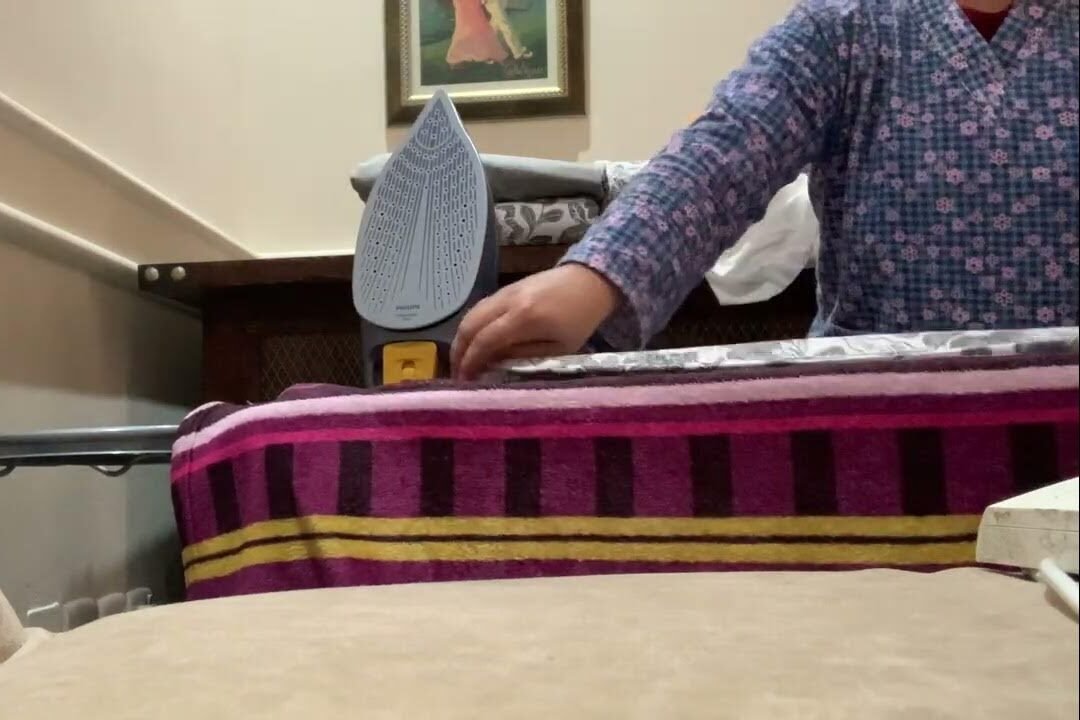
Back in the day, ironing bedsheets was a hallmark of good housekeeping. Homemakers would spend hours ensuring each sheet was crisp, flat, and spotless. A freshly ironed bed was considered a sign of discipline and hospitality, especially when guests were expected. Some believed that ironing killed any leftover germs, especially before antibacterial laundry products became common. The heat helped smooth cotton and linen, making the bed look and feel luxurious, almost like a hotel stay at home.
Today, most people barely fold their sheets properly, let alone press them. With wrinkle-free fabrics and fast-paced lifestyles, the thought of dragging out the ironing board for king-size sheets feels absurd. Besides, modern dryers and fabric softeners do enough to make them feel cozy. Ironing sheets now seems less about cleanliness and more about clinging to a slower, more meticulous time. And let’s be honest, nobody’s judging your sheets anymore.
2. Underwear
Yes, people used to iron their underwear and not just for show. Before automatic washers and dryers, ironing was believed to sanitize delicate garments, especially for babies and women. Cotton and linen undergarments were prone to bacteria if left damp, so a hot iron was the final step in keeping things hygienic. It was also a method of reshaping garments that could stretch during hand washing.
Fast forward to today, and this habit feels utterly unnecessary. With antimicrobial detergents, fast spin cycles, and breathable fabrics, the risk of microbial build-up is practically nonexistent. Plus, most modern underwear is made with stretch fabrics that would melt under high heat. Ironing your delicates is now viewed as outdated, and frankly, a little obsessive. These days, people are more likely to steam their suits than press their panties.
3. Handkerchiefs
Ironed handkerchiefs were once an absolute staple of gentlemanly (and ladylike) decorum. In the early to mid-1900s, a wrinkled handkerchief was practically a social faux pas. People kept beautifully pressed linen or cotton hankies in their coat pockets or purses, ready for sneezes, spills, or emotional moments. Ironing helped keep them flat and folded neatly, and some even used starch to give them extra crispness.
Today, most people wouldn’t recognize a real handkerchief if they saw one. Disposable tissues have replaced the old-school cloth, and with good reason. Hygiene, convenience, and time-saving all play a role. Even those who still use cloth hankies often skip the ironing part. The ritual of pressing a square of fabric now seems like something out of a period drama rather than a practical necessity.
4. Doll Clothes
For generations, little girls (and some meticulous adults) ironed doll clothes to keep their toys looking proper. Back when dolls were made of porcelain or composition, their clothing was often handmade from natural fibers like cotton, linen, or silk. A wrinkled dress or bonnet was seen as sloppy, and keeping everything crisp was part of the playtime ritual. Some even had mini irons designed just for doll garments.
Nowadays, most doll clothing is made from synthetic blends that resist wrinkling, and the thought of heating up an iron for a Barbie dress feels extreme. Modern parenting tends to value creativity over perfectionism, and ironing tiny clothes just doesn’t fit that mindset. Plus, kids today have more toys than time, and most of them wouldn’t sit still long enough to press a hem.
5. Men’s Pocket Squares
Once a status symbol, the pocket square was a sharp detail that wasn’t complete without a perfect press. Whether it was for church, business, or a black-tie event, having a stiff, symmetrical fold was crucial. Ironing helped keep creases clean and corners sharp, especially when using starched cotton or linen squares. It signaled elegance, attention to detail, and a strong sense of masculine style.
Fast-forward to today’s more relaxed dress codes, and pocket squares are mostly reserved for weddings or the occasional formal dinner. Even then, most are now made from wrinkle-resistant fabrics like silk or polyester. Pre-folded versions exist for ease, and very few men bother with ironing unless they’re true fashion purists. It’s a lost art in a world that now leans casual over crisp.
6. Pillowcases
Once upon a time, freshly ironed pillowcases weren’t just a luxury, they were expected. In many households, especially mid-century American ones, crisp pillowcases were a point of pride. A smooth fabric meant a cleaner, more welcoming bed, and ironing them was part of the weekly laundry ritual. Some even believed it helped reduce skin irritation by flattening fibers and removing leftover detergent residue.
Today, with wrinkle-free fabrics and high-efficiency washers, this chore has mostly disappeared. Many people are fine with a few creases, especially when the pillow disappears behind a decorative sham anyway. The rise of minimalist living and self-care over strict domestic routines has made this task feel outdated. Plus, if you’ve ever tried ironing a stack of pillowcases, you know, it’s far from restful.
7. Curtains and Drapes
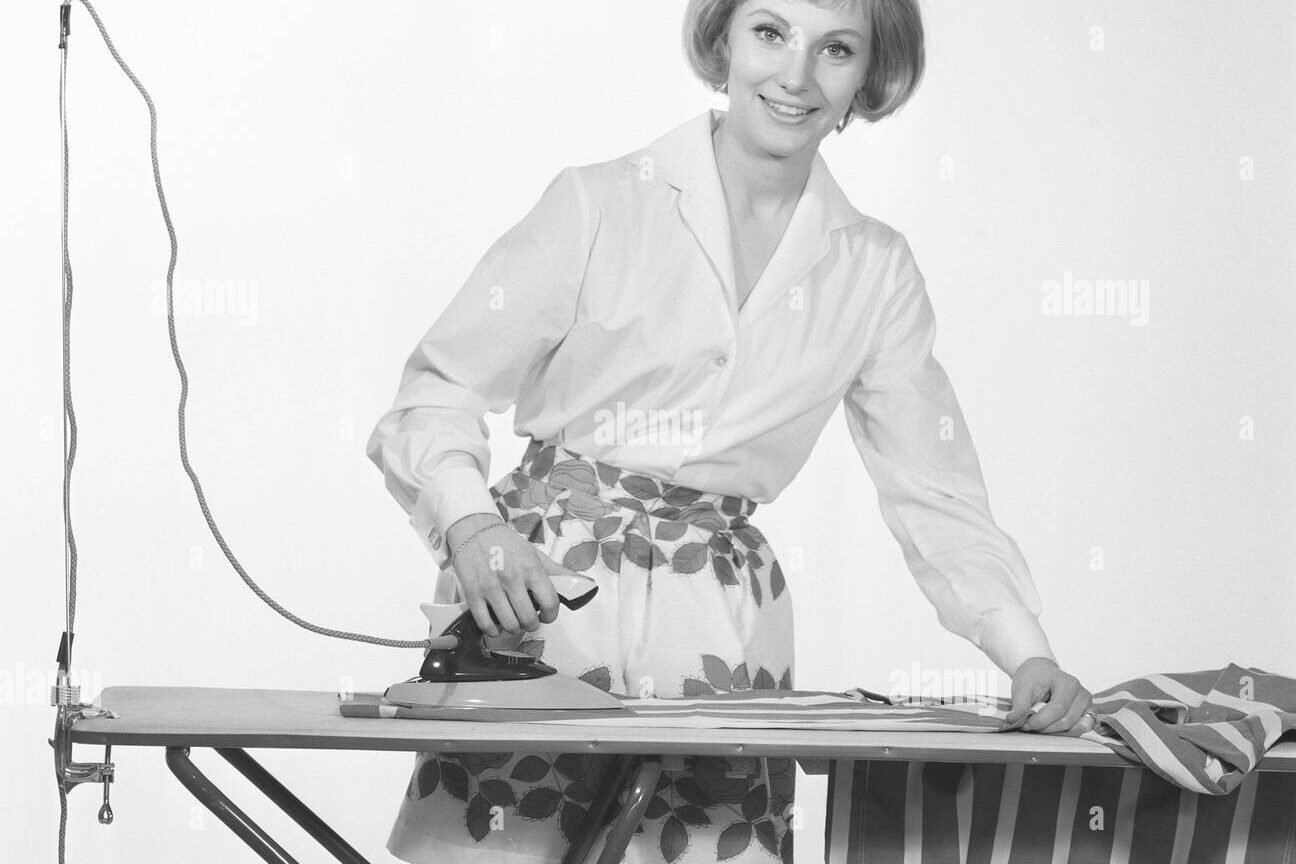
Before the age of steamers and wrinkle-resistant textiles, people used to iron their curtains, yes, all of them. Whether freshly washed or just hung for a new season, ironing ensured the fabric looked polished, formal, and picture-perfect. This was especially important in homes where guests were entertained in living rooms framed by elaborately pleated drapes. It gave a sense of refinement and effort, even if it took hours.
These days, the idea of ironing yards of heavy fabric feels borderline torturous. Most modern homeowners use polyester blends or install curtains straight from the dryer with a spritz of water to ease out wrinkles. And with home design leaning toward casual and cozy over proper and pristine, ironing drapes feels more like punishment than pride. Time has softened more than just the fabrics.
8. Tablecloths
Ironing the family tablecloth used to be a weekend affair. Whether it was linen for Sunday dinner or cotton for special occasions, a pressed tablecloth was non-negotiable. Some households even stored their ironed linens between sheets of tissue paper to preserve the perfect crease. It set the tone for meals, holidays, and hospitality, everything was in order, including the tablecloth.
But unless you’re hosting a formal dinner or a wedding, that level of preparation has faded. Disposable runners, wrinkle-resistant fabrics, or even bare tables have taken over modern dining. Many people now prioritize convenience over appearance, and if a few creases show during dinner, so be it. Ironing a tablecloth today is more likely to spark memories than start a trend.
9. Baby Clothes
Parents once believed ironing baby clothes was essential. Before the days of hypoallergenic detergents and high-temperature wash cycles, pressing tiny garments served both a hygienic and sentimental purpose. The warmth was thought to kill germs, and seeing a drawer full of perfectly folded, freshly ironed onesies brought a sense of readiness for the baby’s arrival. Some parents even saw it as an act of love.
Now? Most caregivers are too sleep-deprived to iron their own clothes, let alone an infant’s. With soft, stretchy baby fabrics that are meant to wrinkle and move, ironing them seems almost laughable. Plus, pediatricians now focus more on safe sleep practices and proper washing techniques than pressed cotton. What once was a ritual has become an unnecessary step in already hectic parenting.
10. Scarves
In the early to mid-1900s, scarves were more than accessories, they were wardrobe staples. Silk, rayon, and cotton scarves often needed ironing after washing to maintain their elegant drape and shine. A rumpled scarf just didn’t make the cut in fashion-forward circles, and ironing was the only way to bring back that smooth, flowing look. Even scarf-folding had its own technique depending on the occasion.
Today, scarves are often made of wrinkle-resistant blends, and the fashion world embraces the “effortless” look. Crinkled styles are trendy, and some scarves are designed to look textured. Ironing a scarf feels like overkill now, especially when hanging it up or using a steamer gets the job done just fine. It’s one more thing our grandmothers did that we quietly skip.
11. Aprons
Aprons were once everyday wear, especially for women in mid-century homes. Whether you were cooking, cleaning, or gardening, a well-ironed apron was a small badge of pride. Aprons often featured pleats, pockets, and pretty designs, and ironing kept them neat and flattering. Some women even matched their aprons to their outfits and pressing them was part of looking “put together.”
But now, aprons are more about utility than style. They come out during baking sprees, BBQs, or art projects and wrinkles aren’t a deal-breaker. Many are made of denim, canvas, or blends that don’t wrinkle much in the first place. Ironing them feels like wasted effort unless you’re starring in a vintage cooking show. For most people, the apron gets used, washed, folded, and tossed in a drawer. And that’s okay.
12. Doilies
Doilies were the tiny detail that made a house feel delicate and dignified. Crocheted by hand and often displayed under vases or on side tables, doilies needed careful washing and pressing to hold their shape. A flat, even doily reflected not just a tidy home, but an attentive homemaker. Some people even blocked them (a technique involving pinning and shaping) before ironing to keep their lacy patterns perfect.
Now, doilies are mostly relics of the past or found in vintage shops and antique fairs. If they appear at all, it’s usually in DIY projects or nostalgic displays, not everyday decor. Ironing one would feel like curating a museum exhibit. And unless you’ve got an emotional connection to one from Grandma’s house, most people just opt for a coaster or nothing at all.
13. Dress Gloves
Before modern fashion turned casual, dress gloves were part of a polished outfit, especially for women attending church, weddings, or formal events. They were often made from cotton or silk and were meant to fit snugly, without a single wrinkle. Ironing them (sometimes with a tiny glove-shaped tool) was a necessary final touch before stepping out. A wrinkled glove was like scuffed shoes; it simply wasn’t done.
Today, gloves are mostly functional: to stay warm or ride a motorcycle. Fancy ones are saved for costume parties or rare black-tie events. The art of glove care, including ironing, has nearly vanished. Most people don’t own a pair, let alone think of pressing one. It’s a lost ritual from a time when formality meant something entirely different.
14. Napkins
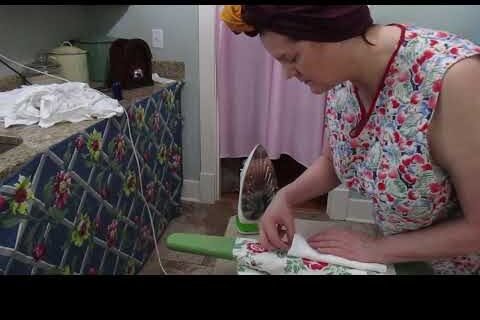
Once upon a dining room, cloth napkins were ironed for every formal or semi-formal meal. Whether they were folded into swans, fans, or neat rectangles, napkins had to be crisp and symmetrical. A rumpled napkin suggested laziness or a lack of hospitality. Some households even used starch to give their napkins a restaurant-level finish.
Today, paper napkins or kitchen towels have replaced most of that effort. Even those who still use cloth often skip the iron and go for the “softly folded” look instead. Formal dinner parties are rare, and casual entertaining doesn’t demand military-level precision. The beauty of today’s home life is flexibility and ironing napkins just doesn’t make the cut anymore unless you really love your linen drawer.