
Victory Coffee Substitute
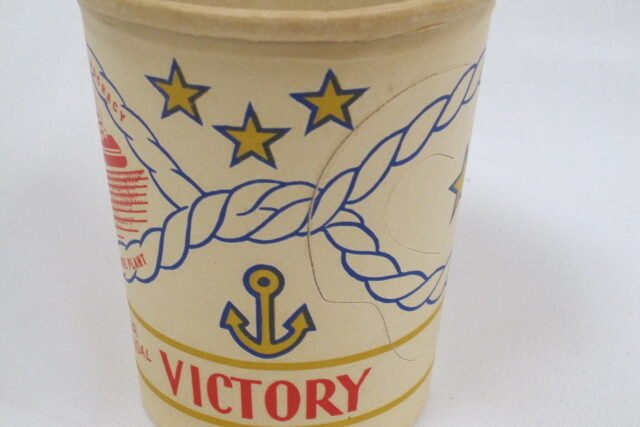
When real coffee was scarce during World War II, American households turned to a bitter substitute made from roasted grains, chicory, or even ground acorns. Dubbed “Victory Coffee” in wartime propaganda, it was the kind of brew you drank not because you wanted to, but because you had to. For many families, it was their morning ritual reimagined, stretching rations and showing patriotism all at once.
People tried to dress it up with sugar or canned milk, but nothing could quite match the deep aroma of the real deal. Still, it warmed bellies and reminded people of what they were sacrificing for. Once the war ended, few missed it. Real coffee made its triumphant return, and Victory Coffee quietly disappeared from shelves and memory. Yet for those who grew up with it, the taste triggers memories of crowded breakfast tables, ration books, and resilience that brewed stronger than any espresso shot.
Mock Apple Pie
It sounds like a trick and it was. Mock Apple Pie used Ritz crackers, lemon juice, sugar, and cinnamon to mimic the taste of apple pie when apples were either too expensive or impossible to find. The recipe was printed right on cracker boxes and became a surprising staple in American kitchens during World War II. Housewives would whip it up for potlucks and Sunday dinners, proud of their ingenuity in the face of scarcity.
The truth is, it worked. The texture and flavor convinced more than a few people that it was the real thing. But as soon as fresh apples became widely available again, the mock version disappeared like a ghost from the pantry. Modern cooks may stumble across the recipe as a novelty, but for those who lived through wartime, it represents a very specific kind of creativity born out of necessity and the magic of making something out of almost nothing.
SPAM with Potato Starch
SPAM was everywhere during the war, but there was a version rarely remembered today SPAM with added potato starch. This version helped stretch meat further while keeping the iconic can size the same. It was distributed widely, particularly through military channels and ration boxes. Families sliced it thin, fried it crisp, or diced it into casseroles to stretch a meal just a little more.
The taste was blander than the standard variety and the texture could lean rubbery. But it filled stomachs and became a symbol of resourcefulness. When postwar affluence returned, so did the higher-quality meats. The potato-starch SPAM quietly vanished from grocery shelves, never to return. Even those who still enjoy SPAM today rarely remember this wartime iteration, but it once stood proudly in the battle to keep dinner on the table during some of the leanest years in American food history.
Dried Egg Powder
Forget scrambled eggs with cheese. During the war, it was all about powdered eggs. Fresh eggs were in short supply and reserved for troops, so the government distributed large tins of powdered egg to civilians. It was shelf-stable, easy to ship, and a miracle of food science for the time. Housewives used it in baking, cooking, and even in morning omelets—though the flavor left a lot to be desired.
Powdered eggs became a staple for everything from cakes to meatloaf binders. Kids didn’t always know the difference unless they watched their moms mix water into a yellow dust instead of cracking a shell. After the war, powdered eggs lost their place at the kitchen table. With chickens back on the farm and eggs in the fridge, nobody wanted to relive those gritty breakfasts. Still, for wartime families, that yellow tin was more than food. It was a badge of making do and getting by.
Carrot Marmalade
Sugar was rationed and fruit was hard to come by, so home cooks turned to what was available—vegetables. Carrot marmalade became one of the more popular creations, made by boiling shredded carrots with lemon zest and whatever sugar could be spared. It was surprisingly tasty, especially when spread on toast or added to tea cakes. It brought color and sweetness to breakfast at a time when both were in short supply.
What made carrot marmalade special wasn’t just its flavor—it was the effort and love behind it. It represented the careful measuring and planning that went into making rationed ingredients feel like something special. But once traditional fruit jams returned to the store shelves, carrot marmalade quickly disappeared. Today, you’ll almost never see it in a grocery aisle, yet its taste lives in the memories of those who once enjoyed it at a war-era breakfast table filled with make-do magic.
Woolton Pie
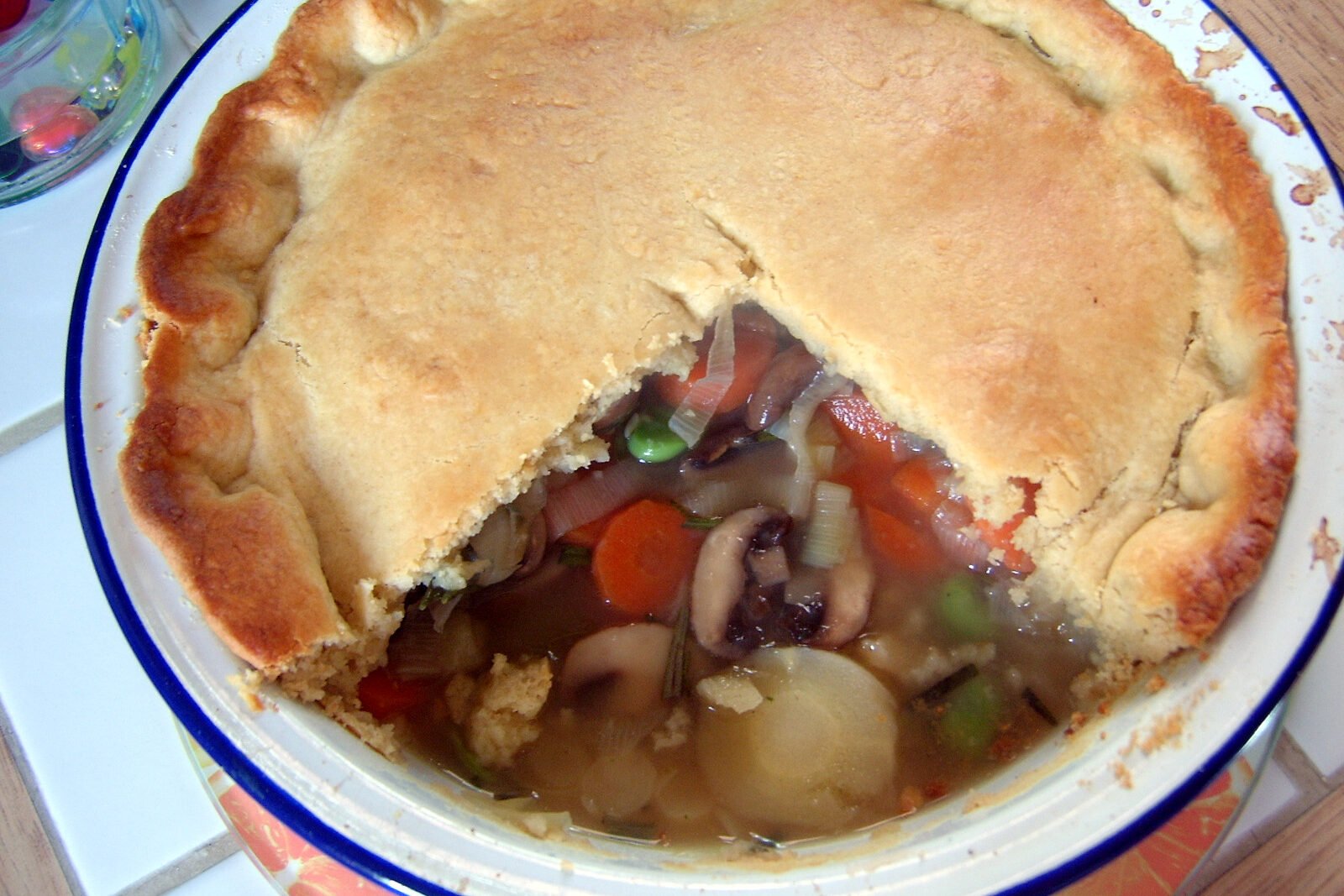
Named after Lord Woolton, Britain’s wartime Minister of Food, Woolton Pie became a symbol of making do. It was a savory vegetable pie filled with diced carrots, potatoes, parsnips, and sometimes cauliflower—all topped with a bland potato crust or mashed potato lid. Meat was almost always absent, but the pie was filling, nutritious, and made from whatever could be grown in the victory garden or bartered at the market.
In American kitchens, a similar meatless pie often showed up when ration coupons ran low. People got creative with root vegetables and gravy made from bouillon cubes. It may not have looked pretty, but it meant warmth, satiety, and the comforting rhythm of dinner after long days of work and worry. When rationing ended and meat made its comeback, so did more indulgent recipes. Woolton-style pies vanished, remembered only by those who learned how to turn scarcity into sustenance with nothing more than a casserole dish and courage.
Liver Loaf
Liver was one of the few meats not heavily rationed during wartime, and clever cooks found ways to turn it into something that felt more like a Sunday roast. Liver loaf was a dense, meat-like mixture made from ground liver, onions, spices, and filler ingredients like breadcrumbs or oats. It was baked into loaves and sliced like meatloaf, sometimes served cold in sandwiches or hot with canned vegetables.
The dish didn’t exactly win culinary awards, but it played an important role in keeping families fed. Liver was rich in nutrients, and when combined with savory seasonings, it could pass as a decent main course. Once steaks, roasts, and chops returned to dinner plates, liver loaf disappeared into food history. It’s rarely made today except in vintage recipe circles, but it once stood proudly in the center of American dinner tables, offering nourishment in a time when that alone was a luxury.
Banana Substitute Spread
During World War II, real bananas were nearly impossible to find in the U.S. and the UK. To fill the gap, inventive home economists created banana substitute spreads using parsnips or other root vegetables, mashed and sweetened with banana extract or syrup. The goal was to recreate the texture and essence of bananas for sandwiches, baked goods, and pudding-like desserts.
Children ate it unknowingly on bread with a smear of powdered margarine, and many believed it was the real deal. Parents played along, knowing that a spoonful of imagination could do wonders. But when bananas returned to grocers after the war, this artificial concoction quickly lost favor. No one really missed it. Still, for the families who grew up during the war years, that banana-flavored spread offered something else. A reminder that creativity often carried more weight than ingredients—and that the taste of childhood sometimes came in unexpected forms.
Potato Candy
Born from simplicity, potato candy became a popular wartime treat in rural areas. The base was humble—mashed potatoes mixed with powdered sugar until a moldable dough formed. It was then rolled flat, spread with peanut butter, and rolled up into spirals. It sounds odd, but the flavor was surprisingly sweet and comforting, especially during a time when traditional desserts were few and far between.
For many children, potato candy was a rare delight, made on special occasions or holidays when every cup of sugar had to be rationed with care. It was often passed down from mothers and grandmothers who knew how to make magic with what little they had. As postwar sweets returned in abundance, potato candy faded into obscurity. You won’t find it at the store today, but for those who remember it, it’s more than a recipe—it’s a symbol of a generation that knew joy didn’t always come from abundance. Sometimes, it came from a potato and a little peanut butter.
Cocoa-less Chocolate Spread
With cocoa and sugar in short supply during wartime, families found themselves craving sweets with few options to satisfy the urge. Enter the cocoa-less chocolate spread. It looked like chocolate, smelled a little like it too, but the taste was far from Hershey’s. Made from ingredients like molasses, carob, or sweetened vegetable shortening, this spread was slathered on toast or crackers to imitate the feel of a treat.
Children didn’t always know they were missing the real thing. For them, it was just the sweet moment in a hard day. Parents were often more aware, scraping out the last bit of spread from a tin while remembering what fudge once tasted like. After the war, when cocoa returned to shelves and true chocolate made its comeback, this make-believe version disappeared instantly. But for a generation of wartime kids, it was one of those flavors you never really forget, even if you never crave it again.
Rice Bread
Wheat shortages meant that traditional loaves had to be reinvented. Rice bread became a go-to alternative for many wartime households. Made from a mix of rice flour and other non-wheat grains, it was dense, crumbly, and didn’t rise quite the way people were used to. But it filled the same role—sliced into sandwiches, toasted under broilers, or dipped into soup at supper.
Though it lacked the fluff and chew of standard white bread, rice bread held its own during difficult years. Families learned to appreciate its subtle flavor and adjust recipes to make it work. Once wheat was widely available again, though, rice bread faded quickly. It never became a permanent fixture in American pantries. Today, it may show up in gluten-free circles, but back then, it symbolized an era where even bread had to change to survive. And people adapted, one grainy slice at a time
Barley Stew
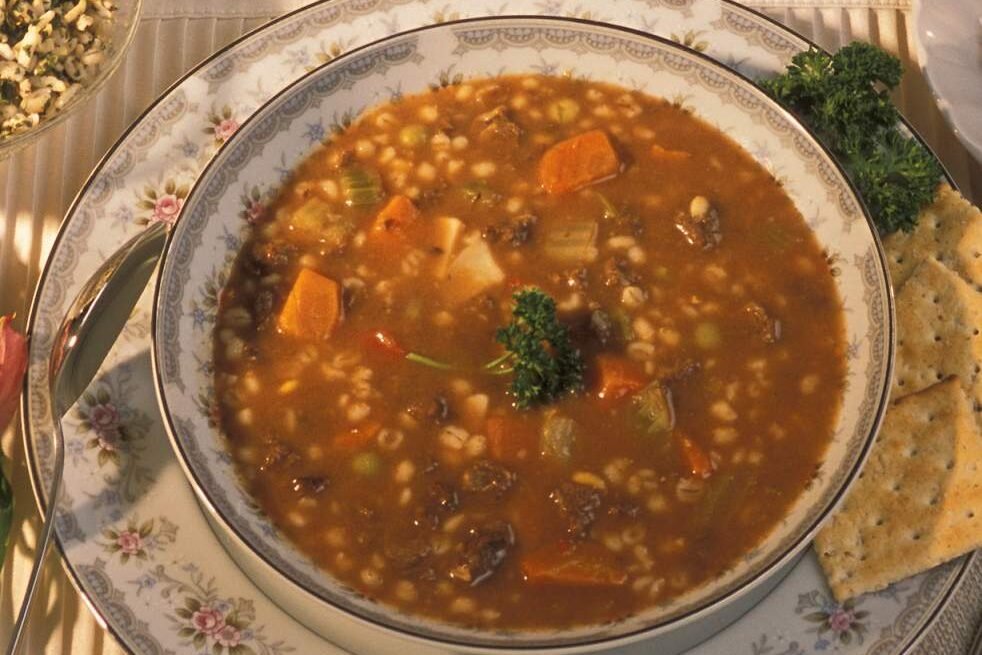
With meat limited and root vegetables taking center stage, barley stew became a comforting staple. Hearty and filling, it was often made with water, bouillon, cabbage, onion, and pearl barley—cheap ingredients that could stretch across several meals. Families would serve it hot in big bowls, paired with whatever rationed bread or biscuits were available.
It wasn’t flashy, but it was nourishing, and it filled empty stomachs with warmth and familiarity. Children might not have known what beef stew really tasted like, but they knew mom’s barley version brought everyone to the table. After the war, as richer recipes returned, barley stew lost its appeal. Now it’s a niche comfort food or a throwback to frugal cooking, but once it was the humble hero of the dinner table during some of America’s most trying times.
Beet Sugar Confections
Refined white sugar was tightly controlled during wartime, so beet sugar stepped in as a substitute. It was processed domestically and used in everything from cookies to candies and cakes. The taste had a slightly earthy after-flavor, and many bakers had to adjust their recipes to account for its differences in texture and sweetness.
Despite its quirks, beet sugar made desserts possible when cane sugar couldn’t. Children blew out birthday candles on cakes made from it, and families marked holidays with candies shaped and sweetened by this humble root vegetable. Once international sugar trade routes reopened, beet sugar returned to its niche and was mostly replaced by its sweeter cousin. Most people today wouldn’t know they ever ate it, but it was there in every wartime cookie jar, keeping celebrations alive one bite at a time.
Meatless Spaghetti with Breadcrumbs
One of the cleverest ways to stretch a meal during rationing was to make pasta dishes feel hearty without any meat. Spaghetti tossed with breadcrumbs fried in oil or margarine became a dinner standard in many households. Sometimes garlic or herbs were added when available, but the flavor came mostly from the crunch and toasty richness of the breadcrumbs.
It became a comfort dish, especially on meatless Mondays or in households running low on ration stamps. The texture tricked the tongue into thinking it was getting something more substantial. It was cheap, quick, and deeply satisfying in its own right. When meat came back in full swing postwar, these breadcrumb dinners were largely forgotten. But for those who grew up eating it, that crispy topping still sparks memories of quiet ingenuity and the comforting clatter of plates being set down on a war-weary dinner table.