
“Dyn-o-mite!” from Good Times
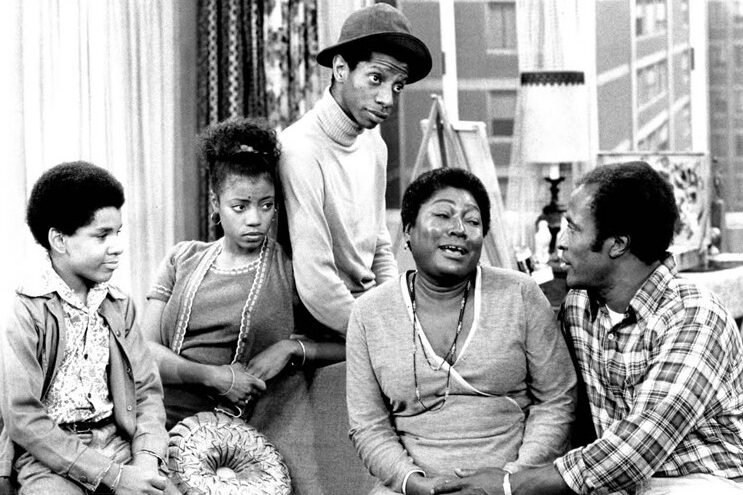
Every time J.J. Evans burst onto the screen with that electric grin and shouted “Dyn-o-mite!” it was like someone had plugged the TV directly into your funny bone. The energy, the timing, the rhythm of it, nobody could deliver a line quite like that. It wasn’t just a catchphrase. It was a celebration.
This one word summed up everything that made Good Times so unforgettable. It was gritty, heartfelt, and unfiltered, but always wrapped in laughter. J.J.’s exclamations cut through the tension of poverty, social injustice, and day-to-day family struggles, offering a spark of joy right when you needed it. Even today, saying “Dyn-o-mite” out loud brings a wave of nostalgia that hits deep. It brings back the family living room, the static of analog TV, and the simple joy of finding humor in life’s hardest moments.
“Whatchoo talkin’ ‘bout, Willis?” from Diff’rent Strokes
Few lines in sitcom history are as instantly recognizable as Arnold’s skeptical little head tilt paired with “Whatchoo talkin’ ‘bout, Willis?” That delivery was everything—innocent, mischievous, and hilariously unimpressed. For many of us, it was the first line we repeated back to the screen.
The brilliance of that catchphrase wasn’t just in its humor. It captured what made Diff’rent Strokes so powerful. It balanced real-life issues like racism, class, and loss with the humor of a kid trying to make sense of it all. Arnold’s line became a cultural marker of the late 70s and early 80s, and even now, people who grew up with the show still use it when something just doesn’t make sense. It’s a phrase that immediately transports you to simpler times, when TV taught lessons and made you laugh out loud in the same breath.
“Sit on it!” from Happy Days
It might sound mild today, but in the 70s, “Sit on it!” delivered by The Fonz had just the right bite. It was cool, funny, and perfectly timed—something you might toss at a sibling or friend when you were playfully annoyed. It became part of everyday slang, and it made The Fonz even cooler than his leather jacket already suggested.
The charm of Happy Days was its nostalgic look at the 1950s, and The Fonz was its beating heart. His catchphrase was a reflection of his confidence. He didn’t need to shout or threaten. He just dropped a line, gave a look, and that was that. For viewers, it became a badge of coolness. If you could deliver a “Sit on it” with the same swagger, you were officially in the club. That’s the power of a perfectly delivered phrase. It becomes part of who you are, long after the final credits roll.
“Kiss my grits!” from Alice
Flo from Alice didn’t just say “Kiss my grits!” She owned it. The line, delivered with Southern sass and a side-eye that could stop traffic, became a cultural sensation in the late 70s. It was bold, funny, and unapologetically Flo.
Back then, TV didn’t have many working-class women leading the charge in primetime, and Flo brought a whole new energy to the screen. Her catchphrase was more than a punchline. It was a declaration. It gave viewers, especially women, permission to stand their ground and do it with humor. The phrase made its way into bumper stickers, T-shirts, and even playground slang. To this day, if someone drops a “Kiss my grits,” it’s an immediate throwback to a time when sitcoms weren’t afraid to give their characters a little bite.
“Yada yada yada” from Seinfeld
The 90s weren’t that long ago, but in nostalgia years, Seinfeld now qualifies as classic TV—and few phrases have had as much staying power as “Yada yada yada.” It captured the genius of the show’s writing in three casual syllables.
This wasn’t just filler. It was commentary. It reflected how people talk in real life, glossing over the boring details to get to the juicy part. The brilliance of the line lies in its flexibility. It can mean anything or nothing. It gave audiences permission to skip the fluff in conversation, and they loved it. It became a punchline you could use in almost any situation, and it still earns a smile decades later. It’s proof that a simple, well-placed phrase can outlast even the most elaborate jokes.
“Lucy, you got some ‘splainin to do!” from I Love Lucy
Even if you didn’t grow up in the 50s, chances are you’ve heard someone mimic Desi Arnaz’s famous line to Lucy. It’s one of those quotes that transcended its time. It captured the heart of the show: Lucy’s mischievous antics and Ricky’s exasperated but loving reactions.
While the exact phrase “Lucy, you got some ‘splainin to do!” was rarely said word-for-word in the show, it became a stand-in for the dynamic between the two. It reflected a time when misunderstandings, physical comedy, and big-hearted chaos ruled the sitcom world. For many viewers, it brings back images of black-and-white TV, popcorn on a school night, and the sound of laughter echoing down the hallway. That catchphrase isn’t just funny. It’s a window into the earliest golden age of television comedy.
“Well, excuuuse me!” from The Steve Martin Show / SNL
Steve Martin didn’t need a sitcom to make his mark on television catchphrases. His exaggerated “Well, excuuuse me!” became a comedy staple of the late 70s and early 80s. Whether you first heard it on Saturday Night Live or during one of his variety show appearances, you likely tried saying it yourself nose in the air, voice raised, waiting for the laugh.
It poked fun at arrogance while still being playfully over the top. That’s what made it stick. Kids copied it on the playground. Parents used it with a grin. It became part of everyday life for a time, like a running joke everyone was in on. Steve Martin’s delivery was everything. He managed to turn social awkwardness into a punchline that still works. Even today, when someone says it in passing, it unlocks a memory file filled with slapstick, polyester suits, and the sound of canned laughter.
“Book ‘em, Danno” from Hawaii Five-O
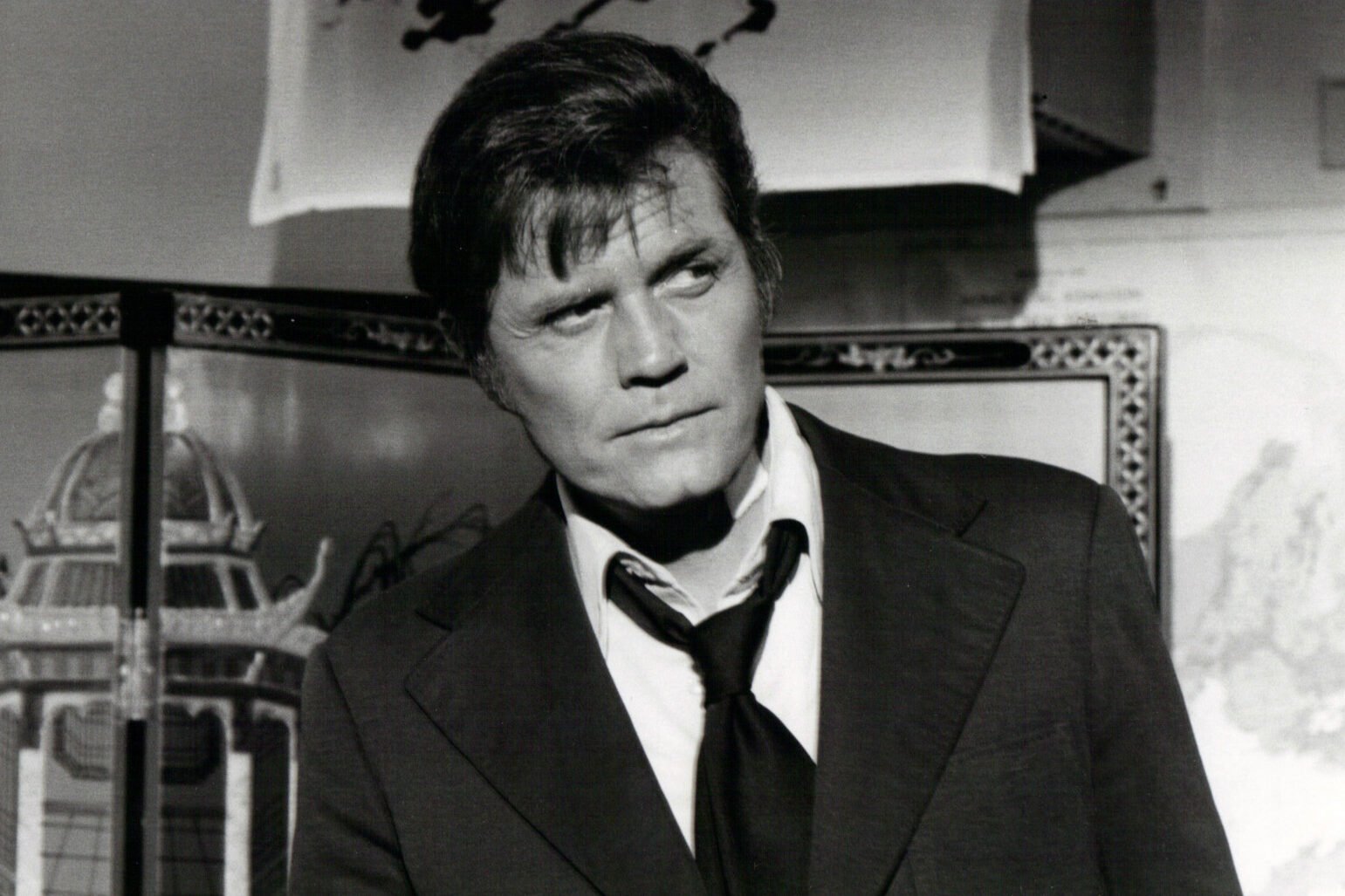
With just three words, “Book ‘em, Danno” took on a life of its own. Delivered at the end of each episode by Detective Steve McGarrett, it signaled justice had been served. The phrase became synonymous with law and order in paradise and gave the show a signature sign-off that fans still remember.
What made it special wasn’t just its repetition. It was the confidence behind it. You knew the bad guy had been caught. You knew Danno had the paperwork ready. And you knew next week, they’d be back doing it all over again. For many viewers, that line became a ritual. It was comfort television at its finest. Predictable in the best way. Even now, when people hear it, they can see the waves crashing, the theme music playing, and McGarrett standing tall in that blazer. That’s how a catchphrase becomes a cultural landmark.
“Nanu Nanu” from Mork & Mindy
Robin Williams gave us a lot of laughs as Mork from Ork, but “Nanu Nanu” was the greeting that stuck with us for decades. It wasn’t just a quirky alien phrase. It was a calling card for one of the most joyful, unpredictable characters television had ever seen.
The show itself was a whirlwind of physical comedy and heartfelt moments, but “Nanu Nanu” managed to be both fun and oddly comforting. It made you feel like part of the club, like you were in on something cosmic and weird and wonderful. Kids said it in the schoolyard. Adults picked it up just to see if it would get a laugh. It became one of those rare phrases that didn’t need translation. It meant happiness. It meant Mork. And every time you say it now, you can practically hear the laugh track and feel the sparkle of Robin’s genius all over again.
“Ayyyyy!” from Happy Days
If you grew up in the 70s, you didn’t just watch The Fonz you admired him. The moment he slid into a scene and let out that smooth “Ayyyyy!” with two thumbs up, everything just felt cooler. It wasn’t a line with deep meaning. It was a feeling. It was swagger.
That sound bite became an instant cultural icon. Kids tried to mimic it in front of mirrors. Teens threw it into conversations to feel a little more rebellious. The Fonz didn’t have to say much to be remembered. His presence, combined with that signature greeting, created one of the most beloved characters on television. The fact that a single sound could instantly transport you back to leather jackets, jukeboxes, and soda fountains shows just how powerful TV nostalgia can be. And every time someone says “Ayyyyy,” it’s like a little spark of 70s cool comes back to life.
“Bang, zoom, straight to the moon!” from The Honeymooners
Ralph Kramden’s explosive exclamation “Bang, zoom, straight to the moon!” may sound aggressive today, but it was part of a comedic dance that reflected the tensions and love in working class life. It became one of the earliest and most repeated sitcom catchphrases of all time.
The beauty of it lies in its exaggeration. It was never meant literally. It was the verbal steam release of a frustrated bus driver whose dreams always seemed just out of reach. Audiences knew Ralph would never lay a hand on Alice. Their bickering was sharp but rooted in genuine affection. This line became a symbol of that dynamic. It was echoed in homes across America, often with a grin or a wink. Decades later, it still brings a chuckle, not because of what was said, but because of the memory of how it was said big, loud, and full of heart.
“Make it so” from Star Trek: The Next Generation
Jean-Luc Picard didn’t need to shout. His quiet authority turned “Make it so” into a catchphrase that echoed across galaxies and living rooms alike. This was a phrase of action, of decision, of calm control. And for fans of Star Trek: The Next Generation, it quickly became part of the language of leadership.
Picard wasn’t the flashy kind of hero. He commanded with intellect, compassion, and presence. That made this simple command even more impactful. It was the kind of thing you wanted to say before tackling a tough task, like starting homework or facing a Monday. It made everyday decisions feel just a little more epic. And now, even years after the show’s prime, those words still bring back the hum of the Enterprise, the glow of the bridge, and the sense that anything was possible with a steady hand at the helm.
“Did I do that?” from Family Matters
Steve Urkel’s high-pitched voice and accidental chaos might have driven the Winslow family wild, but for audiences, he was comic gold. “Did I do that?” became his signature line, delivered after some ridiculous mess or explosion—and it always brought the house down.
What made it work was Urkel’s complete lack of awareness. He wasn’t trying to be funny. He was just being himself. That honesty, wrapped in awkwardness and overalls, made him one of the most lovable misfits on television. His catchphrase gave permission to be flawed and messy, and still be worth loving. It became a favorite among kids and adults alike, used anytime someone made a silly mistake. Even today, hearing it sparks that same laugh and the urge to push up your glasses. It wasn’t just a line. It was a moment that reminded us that being yourself—no matter how clumsy—can be your greatest strength.
“Norm!” from Cheers
Some catchphrases aren’t even lines. Sometimes they’re just the way everyone yells your name when you walk into a room. “Norm!” was that moment on Cheers—a burst of warmth, camaraderie, and instant recognition that made you feel like you belonged.
Norm wasn’t the loudest guy in the bar, but he was a staple. And every time he came through the door and everyone greeted him, it reminded us of the joy of being known. That single shout became an emotional anchor in a show built on friendship and familiarity. It wasn’t about jokes. It was about connection. Even now, many people dream of finding a place where everyone knows their name. That greeting, simple as it was, told you everything you needed to know about Cheers. It was a show that made viewers feel like part of the family. And Norm’s entrance always made you smile before he even said a word.
“Stifle yourself, Edith” from All in the Family
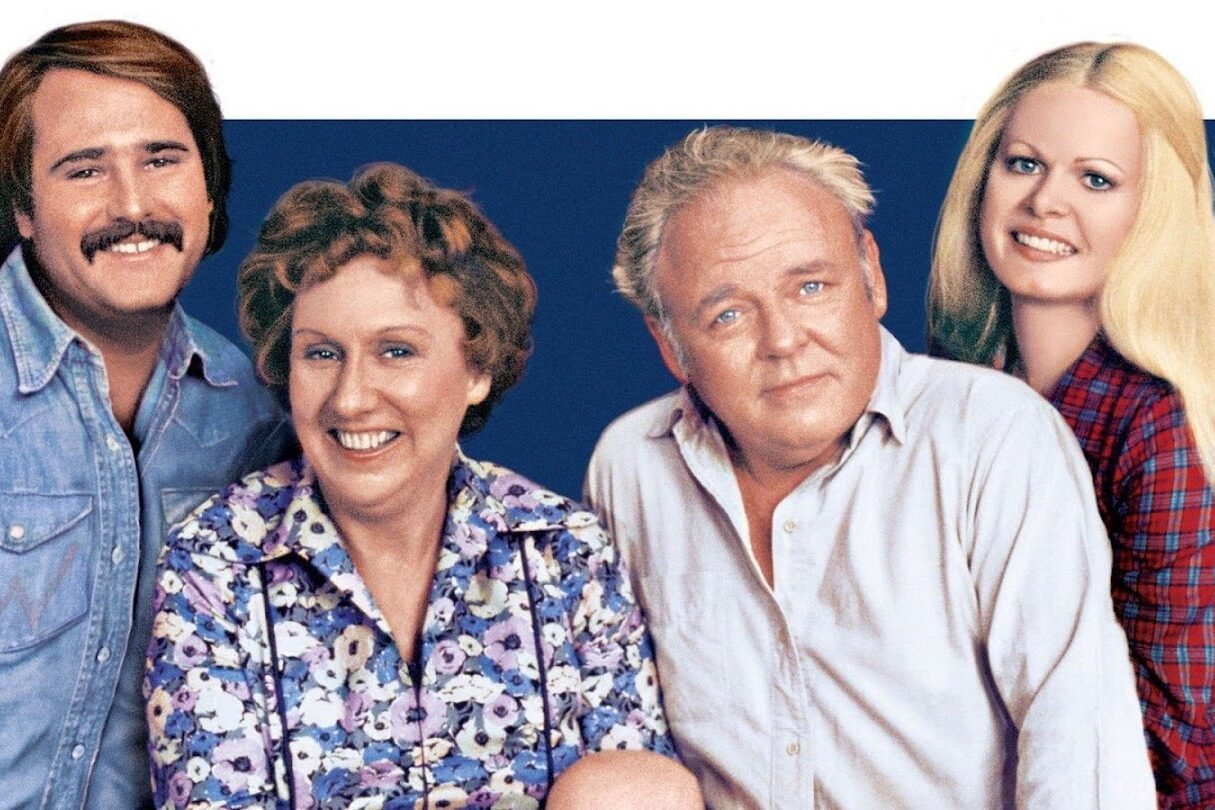
Archie Bunker’s gruff and often offensive tone was a hallmark of All in the Family, but his line “Stifle yourself, Edith” became one of the most quoted and remembered in sitcom history. It was brash. It was blunt. And it was all Archie.
The line showcased the tension between Archie’s old-school mindset and Edith’s gentle, sometimes timid nature. But beneath the sarcasm was a layered relationship that reflected the era’s cultural struggles. All in the Family was never afraid to push boundaries, and that included giving its lead a phrase that made you wince and laugh at the same time. In a strange way, it was part of the rhythm of their marriage. Archie’s catchphrase revealed more about his insecurities than his control. It became iconic not because it was sweet, but because it was real. And in sitcom history, few lines reveal as much about a character and a time as that one.