
1. Screaming Yellow Zonkers
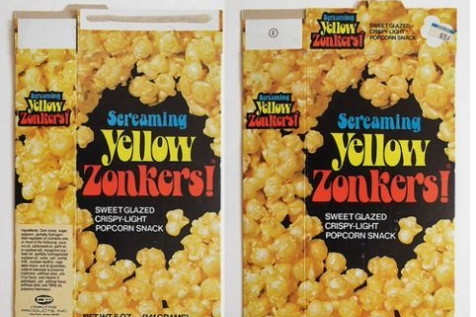
Kids of the late 60s through the early 2000s remember pulling open a box of Screaming Yellow Zonkers and being hit with its fluorescent popcorn and witty packaging. Those quirky jokes on the box made opening a snack feel like a mini comedy show. Long after the taste of sweet glazed popcorn faded, fans stayed captivated by the clever branding and bold sunflower-yellow kernels.
Despite being loved, they quietly disappeared in 2007 when Conagra acquired Lincoln Snacks. A Walgreens limited-edition run in 2012 teased a comeback, but it never stuck. Food experts say the secret sauce was packaging that spoke directly to the generation’s quirky sense of humor, tying flavor and nostalgia into one iconic snack.
2. Wheatables
In the era of 90s baked snacks and healthy chips, Wheatables carved its niche. Introduced a little before the turn of the decade, they featured whole-grain ingredients and flavors like Toasted Honey Wheat, offering a satisfying crunch without frying. People at the time appreciated that it was a smarter alternative to deep-fried chips, with elf marketing by Keebler giving it fun personality.
Despite positive reception, they were quietly discontinued in July 2014. Nutrition analysts note they were ahead of their time in baked-snack trends. But as gluten-free and artisan crackers surged, Wheatables lost visibility. Fans today still remember that balance of flavor, crunch, and perceived wholesomeness and often lament that such a snack is missing in modern grocery aisles.
3. Punky’s Candy
Picture quirky oval candies with bright, punk-style box art, arriving in sweet and sour flavors. Nestlé’s Wonka-branded Punky’s burst onto shelves in the late 80s and early 90s, aiming for a fun, edgy twist on fruit-flavored candy. The rough sugar coating offered a tactile experience beyond classic smooth candies.
Despite the theatrical packaging and unique taste, they vanished when Nestlé pulled back Wonka variants around 2014 as tastes shifted. Marketing experts believe Punky’s strong visual identity helped it stand out. But internal overlaps with established brands like SweeTarts made continued investment less appealing. Candy lovers still bring up Punky’s when remembering 90s snacks with attitude.
4. Pudding Pops
In summer memories from the 70s and 80s, cooling down meant unwrapping a creamy Pudding Pop. Thick, flavorful, and icy in chocolate, vanilla, or swirl options, these treats felt more like frozen pudding than simple popsicles. Their rich texture and familiar commercials helped make them a summer staple.
Profitability issues led to their discontinuation in the 90s. Popsicle tried a relaunch in 2004, but the new version lacked the original’s creamy consistency. By 2011, they were pulled again. Dairy experts say recreating the signature mouthfeel was too difficult with modern cost constraints. Many still reminisce about the original taste during hot summer days.
5. Pyramint
Imagine a dark-chocolate pyramid filled with cool mint fondant. Terry’s Pyramint launched in 1988 and immediately stood out for its geometric shape and sophisticated flavor. It later got a bar-style makeover in 1991, but the unique look had already made its mark. It felt like a grown-up treat, even if you were a kid.
By the mid-90s, it quietly vanished. Candy historians say novelty-shaped chocolates often disappear if they can’t sustain demand. Pyramint‘s distinct shape left a strong impression, and even now, nostalgic snack fans recall that first crisp chocolate bite paired with a refreshing mint interior.
6. Keebler Pizzarias
These were mini pizza slices in chip form, and for a moment in the early 90s, they were a lunchtime superstar. Keebler Pizzarias delivered cheesy tomato goodness and came in fun shapes that mimicked real pizza slices. They were crunchy, bold, and a little over-the-top, which made them a hit among kids.
After Keebler’s ownership shifted, the product quietly disappeared. Snack experts note that novelty snacks without a consistent marketing refresh tend to fade fast. Still, for many, the memory of popping open a bag and pretending it was pizza night at school sticks around.
7. SnackWell’s Devil’s Food Cookies
In the height of the 90s fat-free food craze, SnackWell’s green boxes flew off shelves. The Devil’s Food variety was a standout. Soft cake-like cookies with a fudge coating gave families the impression that they could have dessert and still stick to their diet. They were indulgent without the guilt.
As diet culture shifted and people realized fat-free didn’t mean healthy, SnackWell’s lost its edge. The cookies slowly disappeared from shelves. Nutrition analysts explain that foods riding on trends often fade when public perception changes. But those soft cookies with chocolatey layers live on in snack memory.
8. Cool Creations Bug Pops
Imagine popsicles filled with tiny gummy insects. That was the Cool Creations Bug Pop, born from a Disney and Nestlé collaboration in the mid-90s. These pops, themed after the Timon & Pumbaa cartoon, turned snack time into a wild adventure. Each bite revealed a colorful candy bug frozen inside.
Once the Lion King excitement wore off and scrutiny increased around artificial colors, Bug Pops quietly vanished. Food marketing experts say novelty products tied to TV shows rarely last long without ongoing media support. But if you ever had one, you probably still remember biting into a frozen gummy worm.
9. Betty Crocker Shark Bites
These were gummies, but they had attitude. Released in the late 80s, Betty Crocker’s Shark Bites came with a mix of regular shark shapes and the elusive “great white” gummy. Kids would trade or compete over who scored the rare one. Their tropical flavors and bold branding sealed the deal.
As gummy competition grew fiercer in the late 90s and early 2000s, Shark Bites quietly sank. Marketing specialists say brands that don’t evolve with new versions or add-ons often get edged out. Still, that thrill of ripping open a pack hoping for the white shark is something gummy fans won’t forget.
10. Dizzy Grizzlies
A sugary spin-off of Teddy Grahams, Dizzy Grizzlies were dipped in icing and sprinkles. They came out in the mid-90s and felt like a wild party version of the classroom-friendly snack. Kids loved the chaotic, sugary look, and the extra frosting made each bite feel like dessert in disguise.
However, as Teddy Grahams focused on its more classic identity, Dizzy Grizzlies quietly disappeared. Brand analysts suggest too many product offshoots dilute core branding. Still, the frosted bear-shaped cracker has earned its spot in the hearts of those who grew up sneaking them into lunchboxes.
11. Air Crisps
These were Nabisco’s airy version of their best snacks like Ritz and Cheese Nips. Marketed as a lighter, crunchier alternative, Air Crisps looked like little pillows of familiar flavor. They felt futuristic and fun, making them an easy sell to both kids and calorie-conscious adults in the late 90s.
But by the early 2000s, they were phased out. Snack analysts explain that “lighter” versions often struggle to hold market interest once the novelty fades. Even though they disappeared quietly, some snack lovers still bring them up when discussing snacks that were gone too soon.
12. CC Ricers
These crispy rice-based snacks came in flavors like cheddar and onion. Launched in the early 90s, CC Ricers were Keebler’s attempt at a new kind of savory snack. They combined puffed rice texture with bold seasoning, and their distinct shape made them stand out from traditional chips.
But consumer confusion about whether they were chips or crackers may have hurt them. Food trend watchers note that cross-category snacks often need stronger identity and branding to survive. CC Ricers didn’t get the push they needed and quietly faded, but they left a crunchy impression on snack nostalgia.
13. Chacho’s Tortilla Chips
Keebler tried to take on the tortilla chip world in the early 90s with Chacho’s. They offered bold flavors like quesadilla and cinnamon-sugar, giving people a sweet-and-savory snack in one bag. Their flavors were daring, and their marketing was playful and kid-friendly.
Despite their creativity, Chacho’s didn’t last. Experts say the tortilla chip market is tough to break into, especially with big players like Tostitos dominating. Chacho’s had a fun run, but without wider distribution and sustained flavor updates, they faded. Still, fans of weird chips from the 90s hold them in high regard.
14. Chip ’N Dale Rescue Rangers Fudge Bars
Capitalizing on cartoon fame, these fudge ice cream bars featured the faces of Chip and Dale. Released in the early 90s through a partnership with Good Humor, the bars were creamy and chocolatey, wrapped in nostalgia from every angle. For many kids, they made summer break even sweeter.
As the TV series aged out and new shows took over, the fudge bars disappeared. Licensing snacks often have short shelf lives tied to media relevance. But anyone lucky enough to bite into one of these character bars remembers the magic of a treat tied to their favorite cartoon duo.
15. Crackups
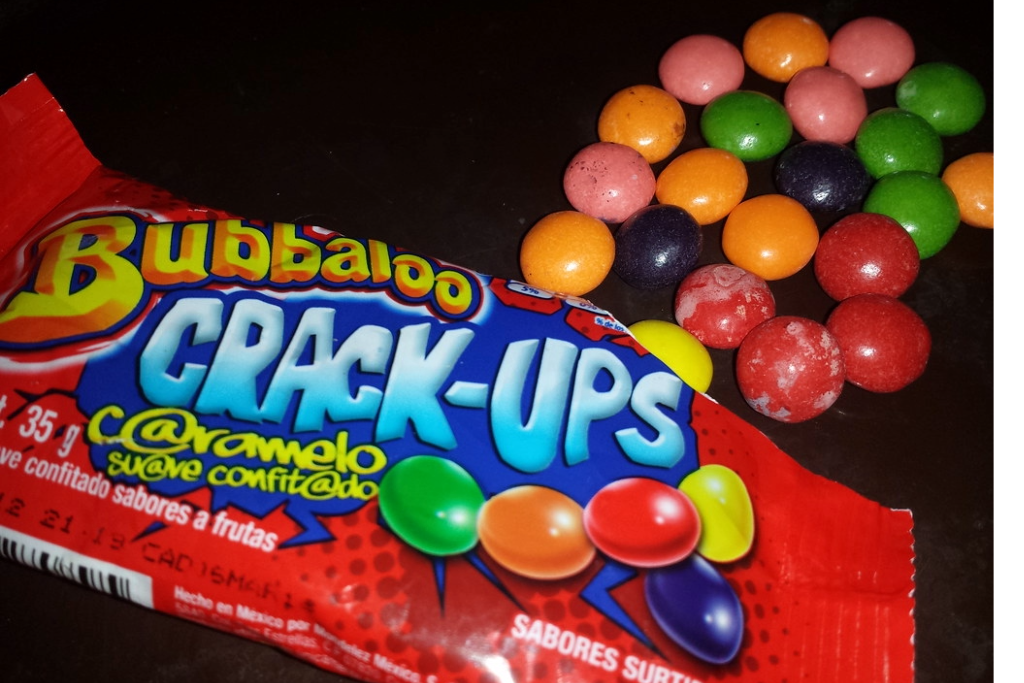
These were Nabisco’s attempt at teen-focused crackers in the early 90s. Shaped like triangles and loaded with salsa or cheddar seasoning, Crackups had a bold look and a strong flavor. The name alone made them feel cooler than the average snack, and they targeted the after-school crowd directly.
Unfortunately, their unique vibe wasn’t enough. Food branding pros say niche positioning without long-term backing usually fails. Once the teen marketing wave passed, Crackups couldn’t compete with more mainstream crackers. Still, they made enough noise to earn a spot in the memory banks of snack lovers who like a little spice.