
1. Jell-O Salad
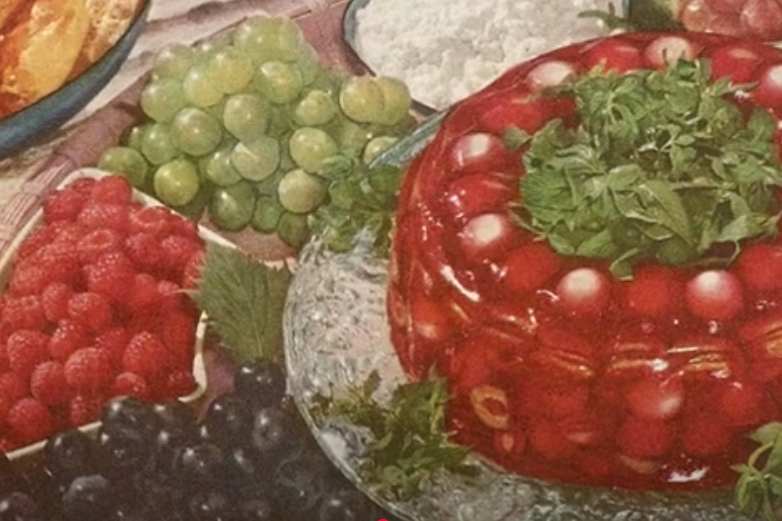
Back in the 1950s, no dinner party was complete without a shimmering Jell-O mold. These weren’t just fruity desserts. Some were packed with chopped celery, canned tuna, shredded carrots, and even mayonnaise. Served cold and firm, these “salads” were a mainstay of potlucks and Sunday dinners.
Today’s dietitians might cringe at the processed gelatin, heavy sodium from canned additions, and the questionable combination of textures. Nutritionally, these dishes offered little fiber, excessive sodium, and almost no protein balance. The love for convenience foods meant nutrition took a back seat to visual flair. For many, it’s a nostalgic dish. For health experts, it’s a warning sign of an era that prized presentation over nourishment.
2. Meatloaf with Ketchup Glaze
Meatloaf was the heart of many mid-century meals. It was economical, easy to stretch with breadcrumbs or oats, and finished with a thick layer of sugary ketchup. Often paired with mashed potatoes and canned vegetables, it was a comfort food classic served at dinner tables coast to coast.
But modern dietitians would likely flag it for its high saturated fat content, reliance on red meat, and sugary topping. Traditional recipes included ground beef with added eggs and fillers, creating a calorie-dense dish lacking fiber and loaded with sodium. The nostalgic warmth it brought to families was real, but its impact on heart health is something today’s nutrition experts wouldn’t ignore.
3. TV Dinners
They featured items like Salisbury steak, buttered corn, and brownie corners, all portioned and packaged for convenience.
While this concept freed up time in the kitchen, it introduced heavy preservatives, loads of sodium, and often sky-high fat levels. Many TV dinners were low in fresh produce and packed with refined carbohydrates. What was once futuristic now looks like a case study in how convenience foods started edging out balanced nutrition. Dietitians today advocate for whole foods, not meals wrapped in foil.
4. Creamed Chipped Beef on Toast
Known affectionately or not-so-affectionately as “SOS,” this dish featured dried beef in a white, creamy sauce spooned over toast. It was a staple in both military and home kitchens, beloved for being cheap and filling.
But nutritionally, this one’s a minefield. The sauce was usually made with butter, whole milk, and flour, creating a fat-heavy base, while the dried beef brought excessive sodium. It’s hearty, sure, but modern health professionals would point to the sky-high salt levels and lack of vegetables or fiber. This was survival food dressed up in post-war optimism, but it wouldn’t make the cut today.
5. Ham and Banana Hollandaise
Yes, this was a real recipe, and yes, it was popular. The dish involved wrapping bananas in slices of ham, then topping the whole thing with Hollandaise sauce and baking it. The sweet-salty combination was considered fancy at the time, often served at luncheons.
From a modern nutrition standpoint, it’s a confusing clash of sugar, fat, and salt. Hollandaise sauce is made from egg yolks and butter, making it one of the most calorie-dense sauces around. Add cured ham with its preservatives and sugary bananas, and the dish becomes a saturated fat bomb that lacks balance or any real nutritional value. Dietitians today would likely say “hard pass.”
6. Tuna Noodle Casserole
This pantry-powered favorite was a regular weeknight dinner. Cream of mushroom soup, canned tuna, egg noodles, and maybe some frozen peas got topped with crushed potato chips or breadcrumbs. It was creamy, salty, and comforting in all the ways mid-century cooks loved.
But when you break it down, there’s not much fresh about it. Processed soup base loaded with sodium, refined carbs from noodles, and canned protein made it a convenience-first dish with little fiber or color. Dietitians today would highlight the lack of fresh veggies, lean proteins, and whole grains. It filled bellies, but not in the most balanced way.
7. Aspic Molds
Gelatin didn’t stop with sweet Jell-O. Savory aspic molds featured meat, eggs, olives, and vegetables suspended in beef or chicken gelatin. They were considered elegant and were often centerpieces at dinner parties or buffets.
While they looked artistic, aspic molds were often high in sodium and relied heavily on canned and preserved ingredients. The meats inside were frequently fatty cuts, and the gelatin base didn’t add nutritional value. Today’s food experts would likely see these as high-sodium, low-fiber dishes that prioritized visual novelty over health. They’re museum-worthy, but not meal-prep material.
8. Baked Alaska

This flaming dessert showstopper was all about spectacle. Layers of sponge cake, ice cream, and meringue were briefly baked until golden brown, often presented dramatically at the table. It was indulgent, rich, and totally over the top.
Nutritionally, it’s a sugar lover’s dream and a dietitian’s red flag. With refined flour, added sugars, and saturated fat from the ice cream and meringue, there’s little room for nutritional positives. It’s the kind of treat that belongs in a “once-a-year” category today. Back then, it was about celebration. But from a modern health lens, it’s more caution than cause for cheers.
9. Deviled Ham Spread
Often sold in cans and mixed with mayo or mustard, deviled ham spread was a quick way to jazz up sandwiches or crackers. It had a spicy-salty flavor and could be whipped together in minutes, making it a party staple.
But this spread was built on processed meats, which are now flagged for their links to increased heart disease and cancer risk. Add the heavy sodium and the fat from added spreads, and it’s easy to see why dietitians might skip it. It was beloved for convenience, but the mystery meat nature of it gives modern eaters pause.
10. Canned Fruit Cocktail with Whipped Topping
Few things scream “mid-century dessert” like a cup of syrupy fruit cocktail crowned with a generous scoop of whipped topping. It was bright, easy, and didn’t require baking—a dream for busy home cooks.
But those syrup-soaked cherries and peaches weren’t exactly health food. Packed in heavy syrup, these fruits lost their nutritional edge. The topping was often hydrogenated and full of artificial ingredients. For today’s dietitians, this dish reads like a sugar bomb dressed as something wholesome. Fresh fruit? Yes. Canned syrupy mash with faux cream? Not so much.
11. Chicken à la King
This creamy chicken dish, served over toast points, rice, or biscuits, was a formal dinner table darling. Made with chicken, mushrooms, green peppers, and rich cream sauce, it was both hearty and elegant.
But the sauce was the nutritional downfall. Heavy cream, butter, and flour created a calorie-dense foundation. Served over refined carbs, it offered little fiber or balance. With minimal vegetables and plenty of saturated fat, today’s diet experts would suggest swapping the sauce for something lighter and adding more color to the plate. It was delicious, but not exactly heart-smart.
12. Bologna and Velveeta Sandwiches
This classic lunchbox combo was beloved by kids and parents alike. White bread, a thick slice of bologna, and a layer of creamy Velveeta cheese made for an easy and satisfying meal.
But with highly processed meat and cheese, refined white bread, and barely any nutrients outside of calories and fat, it’s not a winner in today’s health books. Bologna is often packed with nitrates and preservatives, while processed cheese lacks the protein and calcium punch of its natural counterpart. Modern dietitians would recommend a serious upgrade, starting with whole grains and real ingredients.
13. Spam and Eggs
Spam was wartime innovation turned breakfast staple. Fried up alongside scrambled eggs or folded into casseroles, it gave protein and salt in one compact can. For families on a budget, it was a lifesaver.
Today, processed meats like Spam are heavily scrutinized. With a long shelf life comes lots of sodium, nitrates, and saturated fat. While it still has fans, health professionals tend to steer people toward leaner, fresher options. It’s nostalgic, no doubt, but not what most nutritionists would call an ideal protein source.
14. Mayonnaise-Based Everything
From potato salads to sandwich spreads to dips and aspic toppings, mayo was practically a food group in mid-century America. It added creaminess and richness to just about anything, often used by the cupful.
But too much mayonnaise means too much saturated fat and calories. While modern versions use avocado oil or olive oil blends, traditional recipes relied on soybean oil and preservatives. Pair that with other heavy ingredients, and you’ve got a dietitian’s nightmare. Mayo isn’t bad in small amounts, but the 1950s didn’t do small portions.
15. Corned Beef Hash from a Can
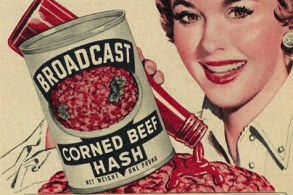
This breakfast or dinner go-to featured chopped corned beef and diced potatoes, often straight from a can and fried until crispy. It was savory, filling, and needed little prep, which made it a favorite for time-crunched home cooks.
But processed corned beef is no nutritional hero. Canned versions can be extremely high in salt and saturated fat, while also lacking fiber or fresh ingredients. When eaten regularly, meals like this contribute to long-term health risks. For today’s eaters, hash made with fresh veggies and lean meat would be a better bet, though it won’t carry quite the same retro flavor.