
The Whirl and Click of a Rotary Phone
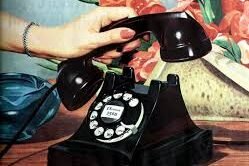
There was something almost sacred about dialing on a rotary phone. The slow, deliberate motion of placing your finger into the dial, spinning it clockwise, then hearing it whir and click back into place, it all had rhythm. Every number had its own musical beat. It wasn’t just a call. It was a ritual. You learned to be patient, to get the number right, and to start over if you made a mistake.
That sound marked connection. It meant you were reaching out to someone across town or across generations. If you were a kid, you might’ve practiced dialing your best friend’s number over and over just to hear that satisfying mechanical rhythm. Today’s touchscreen taps feel sterile in comparison. That distinctive rotary sound lives rent-free in the minds of anyone who grew up in the 60s, 70s, or 80s. It’s not just a noise—it’s the echo of a time when every conversation felt a little more intentional.
The Snap of a Cassette Tape Door Closing
Before Spotify and playlists, music lived in small plastic rectangles. Sliding a cassette into a Walkman or boom box and snapping the door shut was a sound you could almost feel in your bones. That satisfying clack meant you were moments away from your favorite song or a mix tape that told your life story. It was personal. It was intimate.
That little mechanical moment was part of the music experience itself. You waited for the tape to wind, held your breath as you pressed play, and knew that rewinding too much could mess everything up. But still, you did it. The sound of the tape door closing wasn’t background noise. It was a gateway to emotions, to discovery, to that perfect track you recorded off the radio late one night. It’s a sound that doesn’t exist anymore in everyday life, but for those who remember, it unlocks a flood of nostalgic sounds and memories like flipping a switch in the soul.
The Ding of a Typewriter Return Bell
Long before laptops and sleek keyboards, the sound of progress was marked by the sharp ding of a typewriter return bell. It told you a line had ended, and it was time to physically slide the carriage back to start again. That satisfying chime and the clatter of keys being pressed by determined fingers was the soundtrack of classrooms, offices, and living rooms alike.
Typing on a typewriter wasn’t just about the words. It was about the rhythm. Each click, each bell, each motion grounded you in the moment. You couldn’t edit with a click. You had to commit. The ding was a small but mighty moment of punctuation in your creative flow. For anyone who ever sat at a desk trying to get their thoughts on paper, that sound is unforgettable. It represents effort, permanence, and the raw joy of writing when mistakes mattered and every word felt like a small accomplishment.
The Jingle of an Ice Cream Truck
You didn’t need a calendar to know it was summer. All it took was the distant, almost mythical jingle of the ice cream truck winding its way through the neighborhood. It started soft, like a whisper, then grew louder until kids were sprinting from every direction with crumpled bills in hand and hearts pounding with excitement. That sound was pure joy on wheels.
For kids growing up in the 70s and 80s, that music wasn’t just noise. It was an event. You’d be mid-game or mid-nap and still leap into action. The sound had power. It meant Rocket Pops, Choco Tacos, and dreams of choosing the perfect treat. Even now, hearing that classic tune even in a commercial can bring goosebumps. It takes you back to barefoot afternoons, sticky fingers, and a simpler happiness. That jingle didn’t just sell treats. It played the soundtrack of our youth.
The Static of a TV Without a Signal
Before 24/7 streaming and high-definition screens, there was static. Pure, snowy, crackling static. It filled the room when a channel went off-air or when you turned on the TV too early. That soft hiss and fuzzy screen meant the station was asleep, and so should you be. There was something oddly calming about it, like a white noise blanket for your thoughts.
For many, that sound is inseparable from childhood nights curled on the carpet, waiting for Saturday morning cartoons or staying up too late for a forbidden movie. It was a sound that represented silence, waiting, and the edges of your world. The hiss of static was the sound of limitations, of knowing not everything was available on demand. That sound taught patience. It reminded you that time had seasons and screens had quiet hours. Today’s constant content has erased that quiet, but the memory of static still whispers to those who knew it.
The Clack of Flip-Flops on Pavement
Nothing said summer like the rhythmic clack of flip-flops on hot pavement. That sharp, hollow sound echoed down sidewalks and pool decks, trailing behind you like the beat of vacation. It meant freedom, sunshine, and a day with no schedule. It was the footstep soundtrack of warm weather and childhood independence.
For kids in the 70s and 80s, that sound meant you were out. Out of school. Out of the house. Out with friends. Whether you were heading to the corner store, the park, or just walking in loops around your neighborhood, that clack-clack was part of the season. It also meant burned toes, lost sandals, and the occasional stubbed toe but it was worth it. Hearing it today can still stop you in your tracks and send you hurtling back to a time when all you needed was a pair of flip-flops and a full summer day ahead.
The Opening Theme of Your Favorite TV Show
You didn’t just watch TV in the past. You felt it. The moment the opening theme of your favorite show started playing, your whole world paused. That theme song whether it was from The Brady Bunch, Gilligan’s Island, or Happy Days was a cue that you were about to enter a familiar, beloved world. The first few notes were enough to make you race to the couch like your life depended on it.
TV themes of the 70s and 80s were catchy, story-filled, and comforting. You could sing along, hum the tune later, or even recognize a show just from its instrumental intro. Those sounds are etched in memory like lullabies. And unlike today’s quick intros and skipped titles, those songs were meant to be savored. They told a story before the story even began. To this day, hearing one of those old TV intros can make your chest tighten with the kind of happy ache only real nostalgia can bring.
The Creak of a Screen Door
There’s a very specific sound that instantly places you on the porch of a childhood home, the creak of a screen door slowly opening, then snapping shut with a metallic bang. It’s the sound of summer evenings, of kids running in and out for popsicles, of moms shouting “close the door” from the kitchen. It’s more than a sound. It’s the heartbeat of family life.
That creak was background music to so many moments. The click of the handle, the loose hinges, the lazy slap against the frame, it marked motion and memory. Whether it was the start of a backyard adventure or the end of a long day playing outside, that sound welcomed you home. In an era of smart locks and sliding glass doors, the humble screen door still holds a place in our hearts. For those who remember, that creak isn’t just noise. It’s the sound of being a kid in a world that didn’t rush.
The Rattle of Coins in an Arcade Machine
Before home consoles became the norm, arcades were electric playgrounds, and the sound of coins sliding into a machine was the ticket to pure bliss. That clink-clink followed by the buzzing hum of a game booting up meant you were in. Whether it was Pac-Man, Galaga, or Donkey Kong, your adventure started with that first rattle of quarters.
For kids growing up in the 70s and 80s, those machines weren’t just entertainment, they were social hubs. The sound of games pinging and blipping filled the air like music. You stood in line, watched others play, and cheered on a friend who finally cracked the high score. That coin drop was part ceremony, part adrenaline rush. It represented time, possibility, and the thrill of earning one more chance. Today’s silent app downloads can’t hold a candle to the joyful chaos of an arcade in full swing.
The Whistle of a Tea Kettle on the Stove
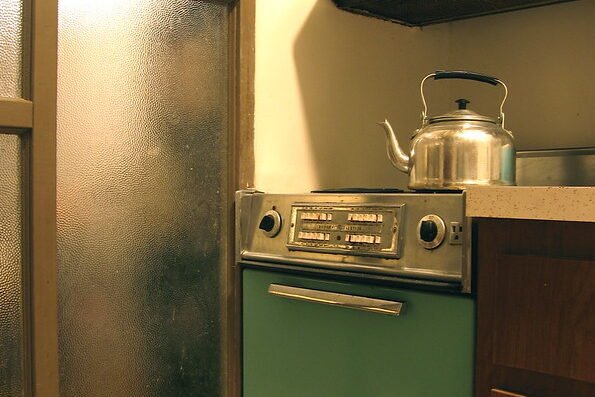
There’s a haunting kind of comfort in the whistle of a tea kettle. It starts as a soft moan and grows into a piercing signal that something warm is on the way. In many homes, it wasn’t just about tea. It was a ritual that meant slowing down. The stove warmed not just the water, but the room, and the people in it.
That whistle called you to the kitchen. It said, “Pause, breathe, sit.” Whether your grandma was steeping black tea or your dad was boiling water for hot cocoa, the sound meant comfort. It filled the house and created a moment of stillness before conversation, reflection, or simply sipping something good. For kids of the past, it’s a sound tied to home, to calm, to knowing someone was taking care of you. And now, hearing a tea kettle’s whistle can bring that comfort rushing back, wrapped in memory.
The Buzz of a Neon Sign
There’s a quiet crackle and hum that neon signs make—like electricity whispering. If you ever walked into an old diner, movie rental shop, or corner store in the 70s or 80s, you knew the sound. It filled the space with an ambient life of its own. Part glow, part buzz, part hum—it was oddly comforting.
That sound was tied to discovery. Maybe it was the glow of a late-night burger spot after a movie, or the blinking OPEN sign at your favorite comic shop. Neon wasn’t just a light source. It was a mood, a moment. It said, “you’re welcome here.” For many, that subtle buzz brings back feelings of excitement, independence, or even first dates and teenage hangouts. It’s a sound you almost forgot existed, until you hear it again and suddenly, you’re back under a violet glow, sipping soda, and feeling infinite.
The Crackle of Vinyl on a Record Player
There’s nothing like the soft crackle that greets you before a record begins to play. That sound is warmth in audio form. It’s the prelude to something good, like your ears settling into a cozy blanket. Before digital music made everything crisp and clean, the imperfections of vinyl made it human.
That initial crackle wasn’t noise. It was character. It meant you had to flip the record, handle it carefully, and place the needle just right. For anyone who grew up with a record collection, that sound is sacred. It marked the beginning of an experience that required attention and appreciation. Listening to music wasn’t background filler. It was a dedicated activity. Hearing that gentle static now can bring you back to the smell of a wood-paneled living room, the feel of carpet under your legs, and the joy of listening all the way through.
The Slap of Jump Ropes on Concrete
If you ever heard the rhythmic thwack-thwack of jump ropes on a schoolyard surface, you probably also heard laughter, chants, and the occasional “Double Dutch!” flying through the air. That sound was a heartbeat during recess, a steady reminder that something fun was always happening nearby.
Jump ropes weren’t just toys. They were tools of community. You learned timing, rhythm, and confidence with every slap of the rope. Girls and boys alike took turns in the spinning rhythm of it all. The sounds of shoes scraping pavement and ropes whipping through the air formed a kind of playground symphony. That slap became part of the soundtrack of growing up, and even today, it can pull you back to the feel of sun on your neck, scraped knees, and a group of voices singing a rhyme you somehow still remember.
The Clinking of Ice in a Glass on a Hot Day
That soft, musical clink of ice cubes swirling in a glass is one of those quiet sounds that instantly brings back the feeling of summer. It meant refreshment was coming. Maybe it was your mom’s lemonade, maybe it was cola fizzing up to the rim, or maybe it was just water after running wild outside. Whatever it was, the sound of ice hitting glass felt like a sigh of relief.
In the 70s and 80s, families didn’t have air conditioners in every room. So a cold drink mattered more. The sound of those cubes shifting in the glass, the condensation running down the sides, it all painted a picture of simplicity. You’d sit on the porch, bare feet sticking to the steps, and sip slowly as the heat softened. That clinking wasn’t just background noise. It was the sound of slowing down, of soaking in the season, of finding joy in the little things.
The Swoosh of Pages in a Flipbook or Comic
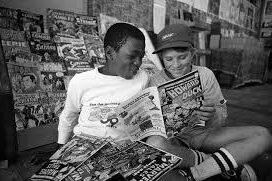
There’s something uniquely satisfying about the fwhip-fwhip of flipping through a well-worn comic or flipbook. The sound of paper rushing under your thumb wasn’t just tactile—it was magical. Each page brought new colors, new characters, and new adventures. It was a quiet thrill, the kind that required no screen and no sound but your own imagination.
Whether it was a stack of Archie comics or a homemade flipbook with stick figures that danced in the margins, the sound of pages turning fast became part of the experience. It meant discovery. It meant you were inside a story, living it frame by frame. For kids of the past, this was entertainment that didn’t beep or glow. It was quiet, but it echoed loudly in the mind. That soft swoosh can still take you back to quiet corners of childhood, where time slowed down and stories came alive one page at a time.