
1. Beauty Micrometer
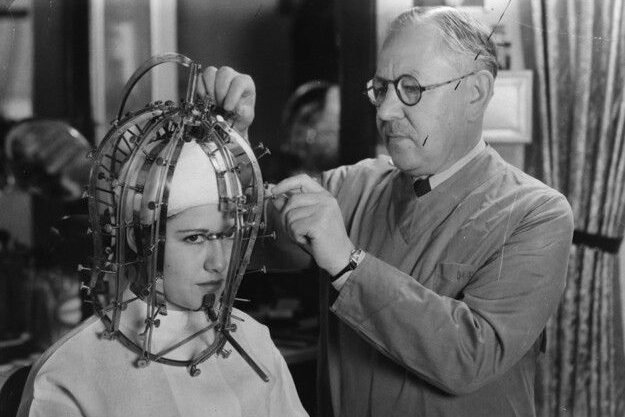
In the 1930s, Max Factor introduced a peculiar-looking facial contraption known as the beauty micrometer. This metal headgear clamped around the face with adjustable rods designed to measure flaws and asymmetries. The idea was to detect minor imperfections invisible to the naked eye so makeup artists could correct them for film stars. The device looked more like a torture mask than a cosmetic tool, yet it symbolized the era’s obsession with facial perfection.
While it wasn’t used widely outside Hollywood, it showcased how beauty standards were evolving with film technology. Experts today view it as one of the first attempts at beauty “science,” though it relied more on perception than true precision. The micrometer now sits in museums as a symbol of beauty extremes. It reminds us that the quest for flawlessness often came with a price, both in comfort and in self-image.
2. Dimple Maker
The dimple maker hit the market in the 1930s as a spring-loaded facial clamp that promised to give wearers permanent dimples. Users strapped the device to their cheeks and tightened the knobs, holding it in place for hours each day. It pressed the skin into indents with the hope that repeated use would reshape facial muscles. Advertisements marketed it as a shortcut to cuteness, no surgery required, but the reality was far from charming.
Experts now say that dimples are a genetic trait and no gadget can create them. At best, the device caused temporary skin impressions and, at worst, bruising or long-term discomfort. Still, women tried it out of curiosity or insecurity, a trend seen repeatedly across history. The dimple maker didn’t last long, but it remains a striking example of how far people would go to fit a fleeting beauty ideal.
3. Tricho X-ray Machine
In the 1920s, a machine called the Tricho System promised permanent hair removal using X-rays. Salons offered it as a cutting-edge solution for facial hair, especially targeting the upper lip and cheeks. Women received dozens of treatments with no understanding of radiation’s risks. Tragically, the inventor Albert Geyser later suffered radiation injuries himself, losing parts of his body due to prolonged exposure while testing the device.
Experts now consider this one of the most dangerous cosmetic fads in history. The device caused radiation burns, permanent scarring, and in some cases, cancer. It was eventually banned, but not before thousands of women endured irreversible damage. It’s a haunting example of how scientific breakthroughs were misused in pursuit of beauty. If your grandma ever talked about early hair removal, she might have known someone who tried this and regretted it deeply.
4. Venetian Ceruse
From the 16th to 18th centuries, Venetian ceruse was the ultimate skin-lightening product among Europe’s elite. This paste, made from white lead and vinegar, gave the face a bright, porcelain finish. Royalty and aristocrats used it to flaunt social status, since pale skin implied a life of leisure away from manual labor. Unfortunately, they were unknowingly poisoning themselves with each application, chasing beauty with deadly consequences.
Experts today highlight how chronic exposure to lead caused skin corrosion, hair loss, and even organ failure. Symptoms were often masked with even more ceruse, creating a vicious cycle. Though the dangers were eventually understood, many women suffered for years under the illusion of elegance. If you’ve ever seen portraits of powdered, pale faces in museums, chances are they were hiding a chemical nightmare beneath the surface.
5. Gladiator Sweat Facial
In Ancient Rome, women collected sweat scraped from gladiators and used it as a skincare product. Believed to contain strength and vitality, the mixture of perspiration and sometimes animal fat was applied as a facial mask. Wealthy women believed it improved their skin’s texture and even boosted fertility. Gladiators were celebrities, and using their bodily byproducts was thought to capture some of their power.
Modern dermatologists stress that applying sweat and grime to your face can clog pores and lead to infections. There’s no evidence that gladiator sweat ever had real benefits. Still, it reflects a deep emotional desire to possess beauty through admiration and ritual. If your grandma traced her lineage to ancient traditions, she might find this one hilariously horrifying, or quietly impressive for its boldness.
6. Artificial Beauty Patches
In 17th and 18th century Europe, small velvet or silk patches called “mouches” were glued to the face to cover blemishes or smallpox scars. These little shapes, hearts, stars, or circles weren’t just for concealment. Their placement on the face conveyed hidden messages. A patch near the mouth could signal flirtation, while one on the forehead indicated seriousness or virtue. They became fashion statements with layered meaning.
Experts in historical fashion say these patches helped women reclaim control over disfigurement and trauma by turning them into art. While it may sound odd today, it served as both emotional expression and social commentary. Your grandma’s great grandma might have used these to say things she couldn’t speak aloud. They were the emojis of their time, turning cosmetic cover-ups into an oddly elegant language.
7. Belladonna Eyedrops
In the 19th century, women used belladonna, derived from deadly nightshade, to make their eyes appear larger and more seductive. A few drops dilated the pupils, giving the wearer a dreamy, romantic look that was considered extremely attractive at the time. But the beauty came at a cost. Belladonna is highly toxic, and prolonged use caused blurred vision, light sensitivity, and in severe cases, permanent blindness.
Medical experts now recognize belladonna as a dangerous neurotoxin that disrupts normal eye function. Though it had legitimate medicinal uses, its role in cosmetic enhancement was risky and poorly regulated. The popularity of belladonna in beauty reflects how far people would go to meet societal expectations. Your grandma might not have used it herself, but she definitely lived in an era where risking your eyesight for beauty was once considered worth it.
8. Crocodile Dung Face Mask
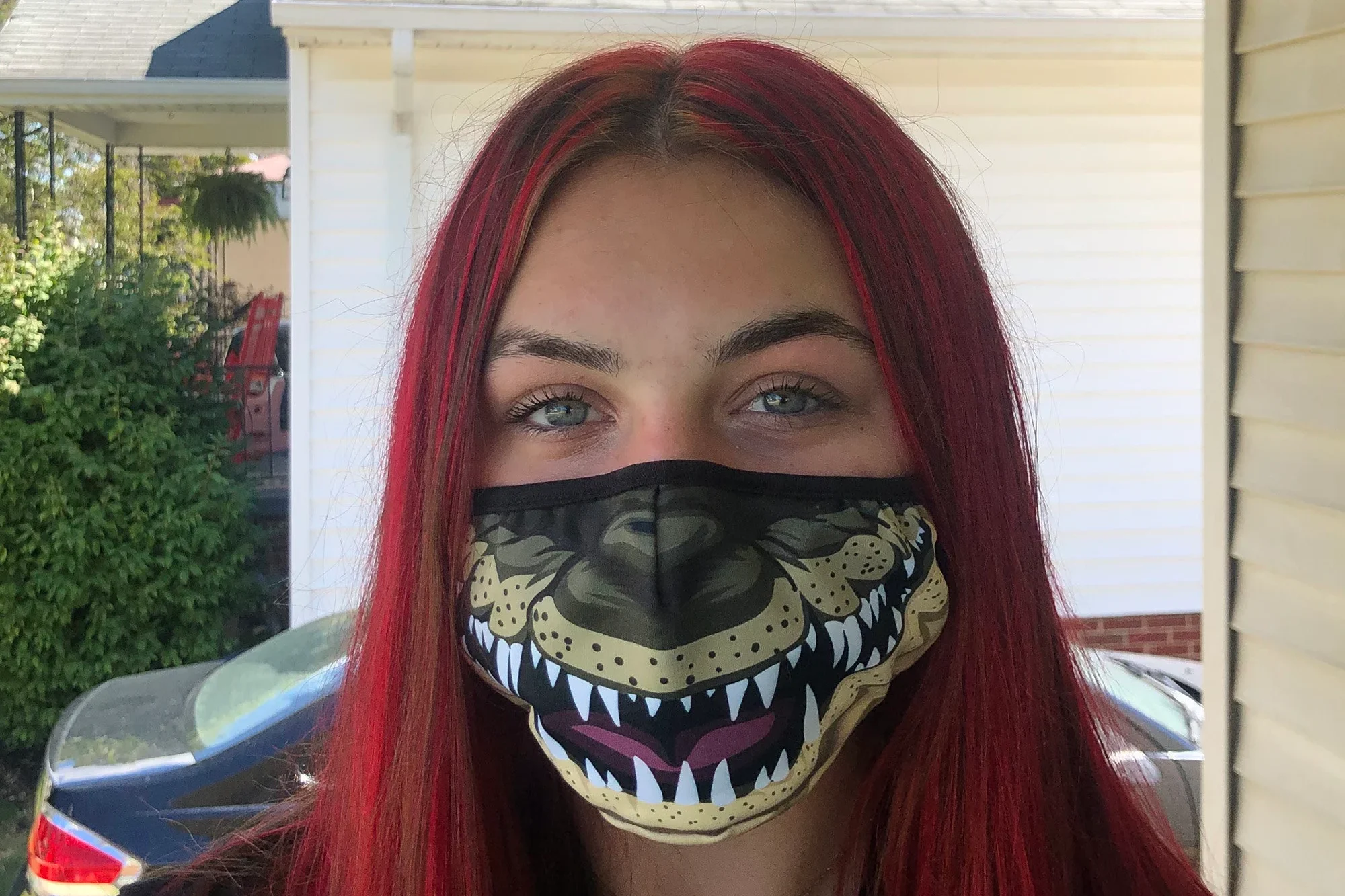
In ancient Egypt, Cleopatra was rumored to use facial masks made from crocodile excrement. Women believed it helped reduce wrinkles, even out skin tone, and enhance radiance. The mixture often included mud or essential oils to tone down the strong odor. It wasn’t just a beauty ritual; it was a symbol of wealth and power, reserved for the elite who could afford exotic ingredients for their skincare routines.
Modern dermatology strongly advises against using fecal matter on skin due to the risk of bacterial infections. However, historians point out that the use of natural substances was rooted in early experimentation with self-care. Though this mask is obsolete today, it shows how the definition of “luxury” in skincare has evolved. Grandma’s generation had cold cream; Cleopatra’s had crocodile dung.
9. Kohl and Lead Eyeliner
Ancient Egyptians darkened their eyelids with kohl, a mixture of soot, crushed minerals, and, unfortunately, lead. It wasn’t just for beauty; kohl was believed to protect against eye infections and ward off evil spirits. The deep black outline also reduced glare from the sun. While effective for some purposes, the lead content made it a health hazard over time, especially with repeated use.
Today’s cosmetic chemists recognize the symbolic and practical roots of kohl but warn against using any unregulated traditional formulations. Lead can cause neurological damage and skin irritation, even in small amounts. Modern eyeliners are inspired by kohl’s boldness but are carefully formulated to be safe. Grandma’s beauty rituals likely included lined eyes, but the ancient versions? They were far more risky than glamorous, proving that beauty has always walked a fine line.
10. Fish Scale Highlighter
Before synthetic shimmer powders existed, early cosmetics used crushed fish scales known as guanineto add sparkle to everything from eyeshadow to nail polish. The scales reflected light beautifully, giving wearers a pearlescent glow. Though the extraction process was messy and not always sanitary, this ocean-inspired ingredient was surprisingly effective and widely used throughout the 20th century.
Today, guanine is still found in some cosmetics, but it’s often lab-made or harvested under stricter conditions. Experts note it’s safe for topical use, though not vegan. Grandma’s glittery eyeshadow or shimmery lipstick might have included fish scale sparkle without her even knowing. It’s one of the more enduring and less dangerous vintage beauty tricks that lives on in today’s highlighters and nail lacquers. Who knew fish scales could be so fabulous and weirdly timeless?
11. Mouse-Fur Eyebrows
In the 18th century, thick eyebrows were in vogue, but not everyone could grow them naturally. The solution? Mouse fur. Fashionable women trimmed fur from rodents, shaped it into brows, and glued it onto their faces. These faux brows were reused, repositioned, and sometimes accidentally lost mid-conversation. Beauty was serious business, even if it meant sacrificing hygiene and comfort.
Cosmetic historians agree this trend reflects society’s obsession with idealized features, regardless of practicality. The materials may have changed, but the idea of brow enhancement remains. Whether your grandma used pencils or stencils, she shared the same desire for fuller brows, minus the rodent involvement. This strange historical moment reminds us that beauty innovation often starts with desperation and creativity. It’s safe to say mouse fur has been retired, and we’re all better off for it.
12. Corset Waist Trainers
Corsets were more than just fashion statements; they were full-blown body modification devices. Women from the Victorian era wore tightly laced corsets to achieve the coveted hourglass figure, sometimes shrinking their waists by several inches. The extreme compression could damage internal organs, restrict breathing, and even break ribs over time. Still, women endured it daily to fit societal beauty standards.
Modern waist trainers borrow from this tradition, though experts caution against long-term use. Medical professionals now understand the risks corsets posed, including digestive issues and back problems. Grandma may have worn a girdle, but her predecessors went to far more painful extremes. Corsets remain a symbol of restrictive beauty ideals that shaped not just bodies, but culture itself. Thankfully, body positivity movements today are helping rewrite that painful narrative with comfort and health in mind.
13. Scented Wax Cones
In ancient Egypt, wealthy individuals wore scented wax cones on their heads during formal events and ceremonies. These cones, made of animal fat and perfumed oils, slowly melted in the heat, releasing pleasant aromas that masked body odor and perfumed the hair. While strange by modern standards, they were considered luxurious and served both aesthetic and hygienic purposes.
Experts in ancient hygiene say this practice was an early attempt at wearable fragrance. Though it might seem messy, the idea of long-lasting, body-warmed scent delivery was forward-thinking. Cleopatra’s beauty routines often included such elements, making her an early adopter of functional beauty hacks. Your grandma might have spritzed perfume, but this tradition melted its way into history with flair. It’s one of the few beauty inventions that’s oddly practical if a little gooey.
14. Ambergris Perfume Beads
Ambergris, a waxy substance produced in the digestive tract of sperm whales, was once a prized ingredient in luxury perfumes. It was valued for its musky, oceanic scent and fixative qualities that helped fragrances last longer on the skin. In the 19th century, it was even shaped into small beads worn around the neck to provide a constant, subtle fragrance throughout the day.
Today, ambergris is rarely used due to ethical concerns and conservation laws. Synthetic alternatives now replicate its unique scent without harming marine life. Fragrance experts admire its chemistry, noting how a strange ocean byproduct became synonymous with sophistication. Your grandma might have owned a bottle that listed “ambergris” on the label, never realizing its whale-based origins. Beauty’s past is full of surprises, and this one might be the weirdest of them all.
15. Electric Scalp Stimulators
In the early 20th century, devices that resembled octopus-shaped head massagers promised to improve circulation and hair growth. These electric scalp stimulators often used mild shocks or vibrations to “awaken” hair follicles and prevent balding. Women and men alike used them in salons or at home, hoping for fuller, shinier hair through electric therapy.
Experts today say that while scalp massage can stimulate blood flow, these early devices had no proven effect on hair regrowth. Still, they paved the way for modern scalp massagers and hair laser caps. Grandma’s generation may have encountered one of these buzzing gadgets, especially in beauty salons during the postwar years. While they’re not harmful, they remain more novelty than necessity. Still, they’re a fascinating reminder of how beauty technology has always tried to shock us into youth.
16. Silk Pillowcase Beauty Secret
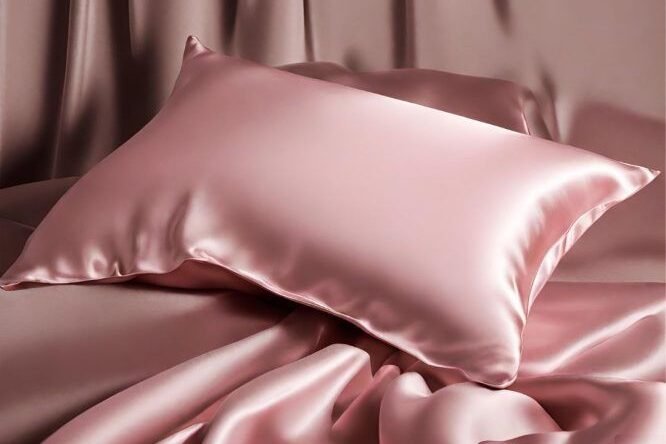
For decades, women have turned to silk pillowcases as an overnight beauty tool. The smooth texture reduces friction on the hair and face, helping to prevent split ends, frizz, and sleep wrinkles. Silk also helps skin retain moisture, making it a quiet hero in the world of anti-aging skincare. It’s no wonder your grandma might have slept on one, especially if she had a boudoir worthy of old Hollywood.
Dermatologists today still recommend silk or satin pillowcases for preserving hairstyles and minimizing skin creases. Unlike many vintage beauty gadgets, this one holds up. It’s gentle, low-maintenance, and scientifically sound. Beauty doesn’t always require buzzing machines or bizarre ingredients. Sometimes, it just takes a soft pillow and a little luxury. If you’re looking for an easy upgrade to your routine, grandma’s silk secret might just be the one worth reviving.