
Free Refills That Keep Coming
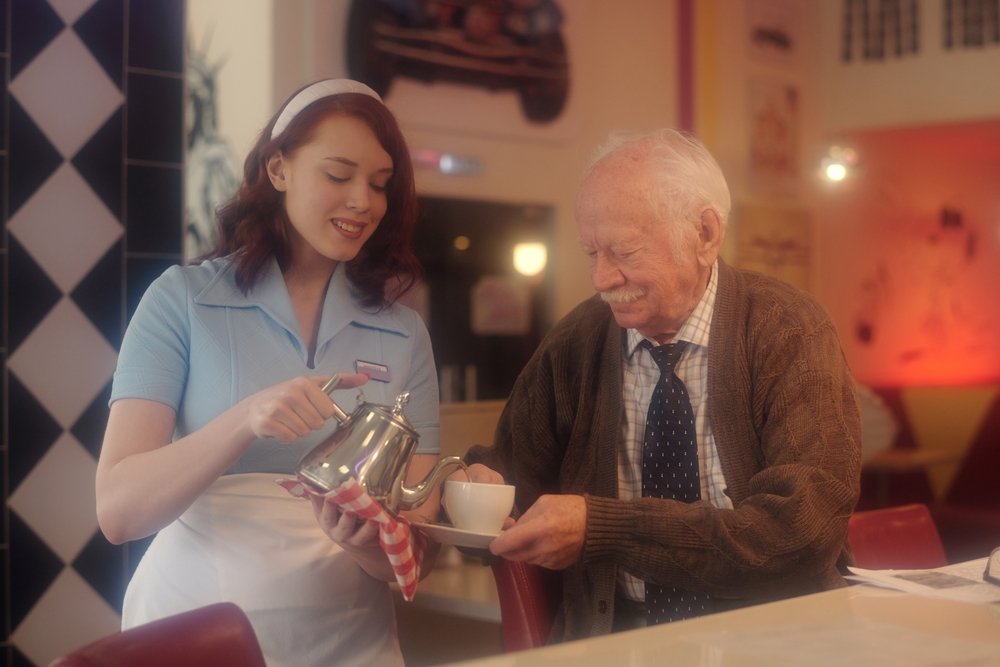
If you have ever dined in an American restaurant, you probably remember that magical moment when your soda or coffee glass started refilling itself without you asking. For tourists, this feels like some kind of beverage fairy at work. In many parts of the world, every drink refill comes with a price tag, and you are lucky to get ice, let alone a bottomless cup of Diet Coke.
But in the United States, unlimited refills are almost expected. It is a comforting rhythm. The server swoops in, tops off your drink, and you barely notice until the glass is full again. It speaks to a larger cultural value around abundance and hospitality. Yet for someone visiting for the first time, it can be surprising and even a bit overwhelming. There is something deeply American about the idea that more is better, especially when it comes to your glass being full at all times.
Tipping Is Not Optional
Tourists often find themselves doing awkward math at the end of a meal in the United States. In many countries, tipping is a bonus or even built into the bill. But in America, tipping is an essential part of dining out. It is not a kind gesture. It is part of how servers earn a living.
This custom can leave first-time visitors confused or even uncomfortable, especially when they learn that 15 to 20 percent is the standard. Some feel pressured. Others miscalculate. But for Americans, tipping is part of showing appreciation for service. It also reveals how different cultures view labor and compensation. Many tourists walk away unsure if they tipped enough or too much. Meanwhile, locals pull out their phones to calculate it without a second thought. The confusion lies in expectation versus tradition, and it is one of the most discussed topics in travel blogs for a reason.
The Obsession with Ice in Drinks
Americans love their drinks cold, and that often means loading glasses with ice cubes until there is barely room for the beverage. For visitors from Europe or Asia, this is almost baffling. In many countries, a cold drink means room temperature with maybe one cube if you ask.
But in the United States, ice is the norm. Whether it is water, soda, or even juice, expect a clinking glass full of frozen cubes. Some see it as refreshing, others as overkill. Yet there is something satisfying about that first sip of an ice-cold drink on a warm day, especially in a booth with a spinning fan overhead and a paper straw slowly melting in your glass. It is one of those things that feels strange at first, but before long, even tourists find themselves craving that frosty touch.
Servers Who Check In Constantly
In many parts of the world, dining is a relaxed experience where the server appears only when you flag them down. In American restaurants, however, the server often becomes a regular visitor to your table. They check in, refill your drinks, and ask how everything is going multiple times.
For tourists, this can feel a little intense. You barely get through your first bite before being asked if everything is to your liking. But this habit comes from a culture built on service and customer satisfaction. The idea is to make sure your needs are met and to avoid leaving you stranded without ketchup or napkins. It can feel a bit like a performance, especially if you are not used to it. But for many Americans, that friendly check-in is part of what makes a meal out feel personal and cared for.
Splitting the Check at the Table
In some cultures, one person typically pays the bill and settles up with friends later. But in American restaurants, splitting the check is common, expected, and handled without much fuss. Friends often ask right away if they can get separate checks, and servers are usually happy to oblige.
Tourists may find this both convenient and odd. There is something very American about making sure everyone pays for exactly what they ordered. It reflects a broader culture of fairness, independence, and individual responsibility. For visitors, it might feel too transactional. But for locals, it is just part of dining out, especially in casual settings where everyone wants to grab a burger and not worry about sorting it all later. It may seem overly precise, but it removes any awkwardness when the check arrives.
The Giant Portion Sizes
One of the first things many tourists notice when dining in the United States is the size of the portions. Plates arrive brimming with food. Burgers are stacked high. Fries spill over the edge. Pasta bowls could feed a family of four. It is impressive and often overwhelming.
In many countries, portion control is a quiet art. Meals are balanced, modest, and rarely require a to-go box. But in America, bigger is better. It is part of the hospitality mindset. You should never leave hungry, and there should always be enough to take home. Tourists often end up asking for containers and wonder if anyone finishes these meals in one sitting. Yet for locals, it is just another night out. It is excess made normal, and it tells a lot about how American dining culture celebrates value and abundance.
Offering To-Go Boxes Without Asking
In many parts of the world, taking leftovers home from a restaurant is unusual or even frowned upon. But in the United States, it is practically built into the meal experience. Servers often ask if you would like a box as soon as they see food left on your plate.
This habit surprises many tourists. The idea of boxing up half a steak or an untouched pile of fries and carrying them in a plastic bag feels strange. But in America, leftovers are a smart way to stretch your meal and save money. It is also tied to the large portion sizes that make it necessary in the first place. To-go boxes are so normalized that some places even bring them out with dessert menus. It may feel foreign at first, but for travelers staying in hotels with microwaves, it becomes a practical and appreciated part of the dining ritual.
Serving Water Before You Ask
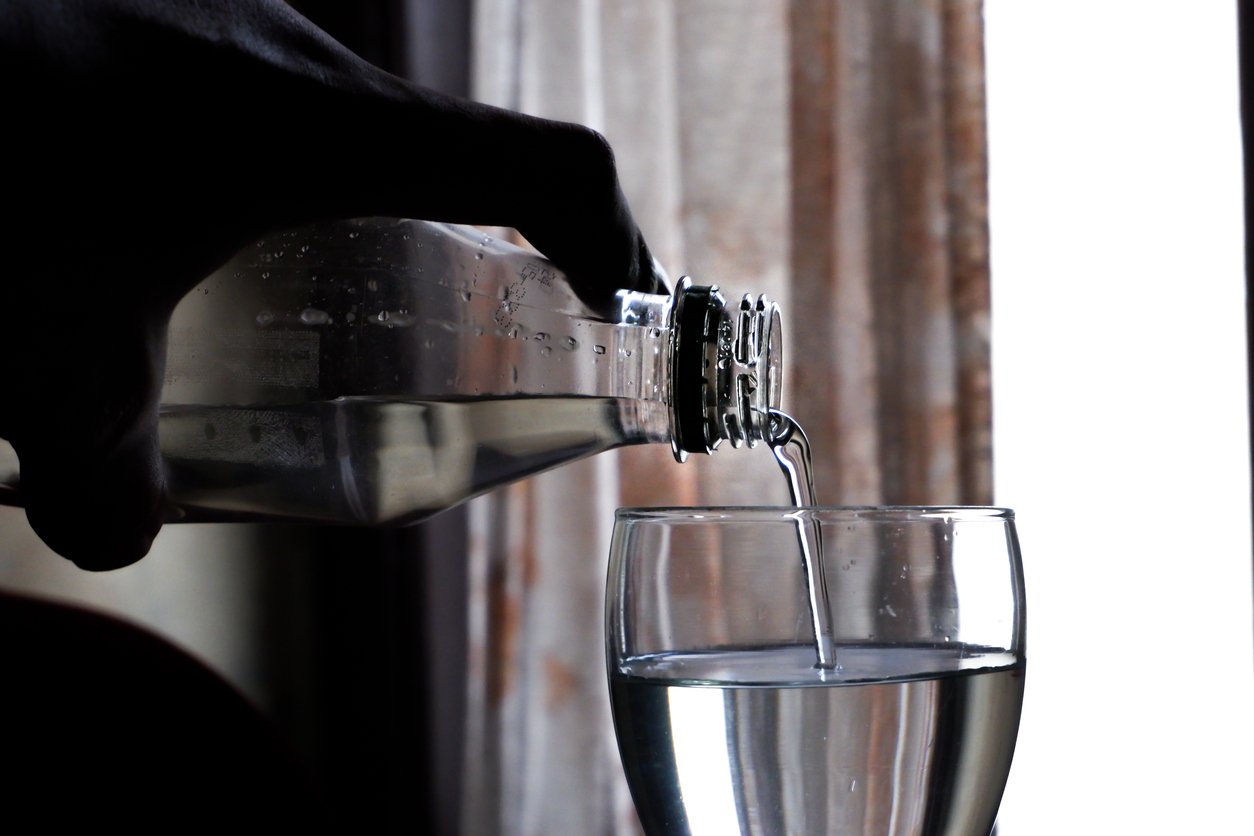
In most American restaurants, water arrives at your table within moments of sitting down. Often served with ice and lemon, this complimentary gesture is almost automatic. You do not need to ask, and you are rarely charged. For tourists, it is a small but noticeable surprise.
In many countries, water is only served on request, and often for a fee. That makes the American water ritual feel both generous and puzzling. It speaks to a deeper cultural value of hospitality. The moment you are seated, the restaurant begins taking care of you. That glass of water signals that your needs are being anticipated. Even if you never drink it, the gesture alone sets the tone for the meal. For visitors, it is a small moment of kindness that can feel refreshingly foreign.
Salad Before the Main Course
In the United States, salad is commonly served before the main dish, often in its own bowl with a side of dressing. It is a familiar way to start a meal. But for many international visitors, salad either accompanies the main plate or follows the entrée entirely.
This reversal can throw people off. Why eat cold lettuce before warm pasta or steak? But for Americans, it is about pacing the meal. The salad is light, a prelude to heavier food. It gives diners a moment to nibble while waiting and helps restaurants stagger orders. It also ties into health trends, giving people a sense of balance even in the middle of an indulgent meal. For tourists used to different meal structures, the pre-meal salad may seem out of place. But once you embrace it, it is easy to see why it stuck around. It adds rhythm and a touch of crunch to the dining experience.
Asking “How Would You Like That Cooked?”
In American restaurants, especially steakhouses and burger joints, servers often ask how you would like your meat cooked. Rare, medium, well done, these options are expected. But for tourists, especially those from countries where meat is generally served one standard way, this question can catch them off guard.
It is not just about preference. It is about customization. In the United States, diners are used to having control over how their food is prepared, right down to the texture of their hamburger. Some visitors hesitate, unsure of the differences or concerned about safety. But for locals, it is second nature. That simple question turns an order into something personal. It reflects a culture that values choice and individual experience, even in the smallest details of a meal. It may seem like a minor point, but it is one that sets American dining apart in a way that feels both empowering and uniquely strange to outsiders.
Appetizers That Could Feed a Small Village
Ordering an appetizer in the United States often results in a mountain of food. Mozzarella sticks, nacho platters, blooming onions—what is meant to be a light starter often arrives as a full-on meal. For tourists used to tiny plates or delicate starters, this can be a shock.
But in America, appetizers are part of the feast. They are designed for sharing, indulging, and sometimes even overshadow the main course. They speak to a culture where food is celebration, and restraint is optional. Tourists often find themselves full before their entrée even hits the table, wondering if they misread the menu. But for locals, it is all part of the fun. You can always take the rest home. And while the portions may be daunting, there is something joyful about a table filled with more food than expected, ready to be passed, dipped, and devoured.
Dessert Menus You Are Pressured to Accept
In many countries, dessert is an optional afterthought. But in the United States, dessert often feels like a second act to the meal. Servers will enthusiastically describe the cakes, pies, and sundaes, and it is not uncommon to be asked more than once if you are sure you don’t want one.
This kind of upselling can feel intense for visitors. But it is also a reflection of how American dining culture encourages you to linger and indulge. Dessert is part of the full experience. It is not just about sugar. It is about extending the moment. For many, this is where memories are made—over a shared brownie sundae or a slice of cheesecake the size of your face. Tourists may initially decline out of habit or fullness, but those who give in often find that dessert in America is less about appetite and more about celebration.
The Open Kitchen Trend
More and more American restaurants now feature open kitchens, where diners can see their food being prepared. For tourists from cultures where the kitchen is hidden away, this setup can feel both fascinating and odd. Why would you want to watch your meal being cooked in real time?
But this trend reflects a growing interest in transparency and culinary theater. Diners love seeing the sizzle, hearing the clatter, and watching the chefs at work. It adds drama to the meal and builds trust in what is being served. Some tourists appreciate the spectacle. Others find it distracting. But there is no denying it changes the dining atmosphere. It turns the act of eating into a fuller sensory experience, where the cooking becomes part of the show. For Americans, it is another way to deepen the connection between food, story, and experience.
Chain Restaurants with Cult Followings
To outsiders, chain restaurants might seem generic. But in the United States, places like Olive Garden, Cracker Barrel, and Waffle House have loyal fan bases and distinct identities. These are not just places to eat. They are rituals.
Tourists often do not understand the emotional attachment Americans have to these spots. The breadsticks at Olive Garden. The hash browns at Waffle House. The rocking chairs outside Cracker Barrel. It is not about gourmet dining. It is about familiarity, comfort, and sometimes even childhood nostalgia. These restaurants feel like home to many, and they play a big role in the social fabric of American life. For visitors, it might seem strange to see people so excited about a place they have in every town. But once you sit down, sip the sweet tea, and feel the rhythm of it all, it starts to make sense.
Breakfast That Could Be a Feast
In some parts of the world, breakfast is a quick pastry or a piece of fruit. In the United States, especially at diners, breakfast is a full-on event. Pancakes the size of plates, eggs any way you want, bacon, sausage, hash browns, toast, and sometimes even a side of grits.
Tourists often gape at the size and variety. It is not just a meal. It is a commitment. For Americans, breakfast is sacred, especially on weekends. It is a time to gather, take it slow, and start the day with a hearty helping of joy. Some visitors are delighted. Others feel like they need a nap after their first American breakfast. But no one forgets it. It is a cultural experience in itself, one that fills your stomach and, in a strange way, your heart.
The Constant Refilling of Bread or Chips
You sit down at a Mexican restaurant and before you even order, a basket of tortilla chips and salsa lands on your table. Or at an Italian spot, a basket of bread with olive oil arrives like a warm hello. And as you eat, it keeps getting refilled.
For tourists, this can feel almost magical. Free food before the food? That is not common in many parts of the world. But in American dining, it is often standard. Chips, bread, sometimes even popcorn, it is part of the welcome. It also builds community. Sharing food from the center of the table creates connection and eases conversation. It may not be fancy, but it feels generous. Visitors may wonder if they are being charged or if there is a catch. But once they relax into the custom, they begin to understand it is just part of the way Americans say, “We are glad you are here.”
Offering Boxes Before You Even Finish
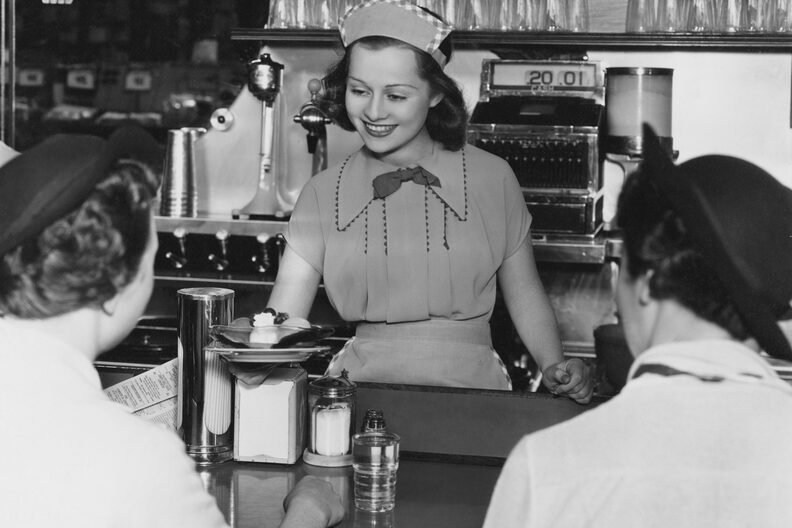
Sometimes in American restaurants, before you can even wave down a server, they offer you a to-go box as soon as they see your fork slow down. For tourists, this can feel a little premature or even like you are being rushed out.
But that is not the intent. The offer of a to-go box is part of a practical and thoughtful dining habit. It says, “Don’t waste it. Take it home.” With portions being what they are, most diners expect to leave with a second meal in hand. It is common, expected, and even encouraged. For people visiting from countries where leftovers are rarely taken, this can seem odd. But in America, it is smart dining. It makes the experience last beyond the table and turns one indulgence into two.