
1. McAfrika
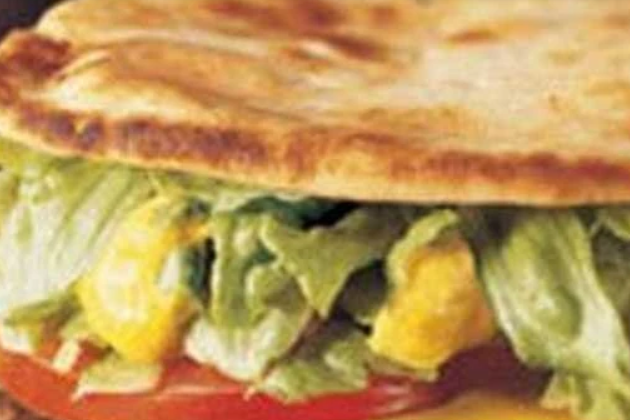
In 2002, McDonald’s introduced the McAfrika sandwich in Norway and Denmark, featuring beef, cheese, and vegetables wrapped in a pita. The goal was to evoke African flavors, but the product launched during a severe famine in parts of Africa, sparking immediate backlash. Humanitarian groups criticized the insensitivity, and the media quickly picked up the controversy. Despite McDonald’s attempt to promote cultural fusion, the timing and branding of the sandwich were considered deeply tone-deaf.
McAfrika was pulled from menus within months, leaving behind a legacy of what not to do in global marketing. Experts now cite it as a lesson in understanding sociopolitical context before launching international products. While the recipe itself wasn’t particularly strange, the mismatch between menu and moment made it infamous. Today, it serves as a cautionary tale about blending cuisine and culture without fully grasping the broader global implications.
2. Enchirito
Taco Bell first introduced the Enchirito in the late 1960s as a mix between an enchilada and a burrito. It came stuffed with beef, beans, and onions, all smothered in red sauce and melted cheese. Served in a metal tray, it was an unusual presentation for fast food. While it gained a cult following, it disappeared from menus in 1993, returned briefly in the early 2000s, and reappeared again in 2023 before vanishing once more.
Experts say the Enchirito was a victim of menu overload and changing consumer preferences. Its messiness and confusing name may have hindered long-term success. While fans loved its rich flavor and nostalgic packaging, it didn’t fit Taco Bell’s modern streamlined offerings. Still, it remains one of the brand’s most requested discontinued items. The Enchirito’s on-and-off presence is a reminder that sometimes the weirdest menu items have the strongest emotional staying power.
3. Arch Deluxe
In 1996, McDonald’s launched the Arch Deluxe, aimed at adults who wanted something more sophisticated than the standard Big Mac. It featured a seasoned beef patty, peppered bacon, leaf lettuce, tomato, and a distinctive Dijonnaise sauce on a potato flour bun. Despite a 300 million dollar marketing push, it failed to resonate. The campaign positioned it as a grown-up burger but came off as condescending to families and kids who made up most of McDonald’s customer base.
Analysts believe the Arch Deluxe flopped because it confused the brand’s identity. Fast food is supposed to be fun, fast, and comforting, not elitist. Its failure reminded the industry that you can’t force sophistication onto a fast food menu without alienating your core audience. Today, the Arch Deluxe is studied in marketing courses as a classic example of overhyped branding that missed its mark. It proves that taste and tone need to match perfectly.
4. McPizza
In the late 1980s, McDonald’s attempted to expand its offerings by introducing the McPizza. This full-sized pizza was baked in special ovens and took much longer to prepare than a typical burger and fries. Customers were often confused by the wait times, and franchisees were frustrated by the expensive kitchen modifications required to serve it. By the early 2000s, the experiment had ended quietly and the McPizza disappeared from most markets.
Food industry experts say the McPizza failed because it strayed too far from McDonald’s core identity of speed and simplicity. Fast food customers didn’t want to wait 11 minutes for their meal. The logistical complications outweighed the novelty, and the company ultimately pulled the plug. While the McPizza has nostalgic fans, it’s a reminder that even giant chains can stumble when they chase trends that don’t align with their brand strengths or customer expectations.
5. Frescata Sandwiches
Wendy’s launched the Frescata line in 2005 as an attempt to compete with deli-style sandwich shops like Subway and Quiznos. The menu featured cold sandwiches like the Frescata Club and Roasted Turkey and Swiss, served on artisan bread with fancy ingredients. Although the idea aligned with growing health trends, customers found the sandwiches took too long to make. Within two years, the Frescata experiment ended and the items were pulled from menus nationwide.
Fast food analysts say the Frescata line failed because it disrupted the kitchen flow. Wendy’s staff were trained for burgers, not delicate deli builds. Prep times slowed, orders backed up, and customer satisfaction dropped. Despite the fresh concept, it wasn’t fast enough to survive. It’s now considered a lesson in operational efficiency. No matter how healthy or innovative the item, if it slows down service, it won’t last in a fast food environment.
6. Winky’s
Launched in Pittsburgh in the 1960s, Winky’s was a regional fast food chain with a bold tagline, “Fast Food Cheap,” and quirky item names like the Ground Rounder. It grew quickly to over 40 locations and became known for its fast service and low prices. Yet it never expanded far beyond western Pennsylvania, and its odd branding didn’t help it stand out nationally. By the early 1980s, it was struggling to keep up with national giants.
Experts say Winky’s failed due to limited expansion strategy, rising competition, and inconsistent branding. While nostalgic locals still remember it fondly, its bizarre burger names and strange mascot weren’t enough to cement long-term success. It’s now a classic case of a hometown favorite that couldn’t scale. Still, for those who grew up with Winky’s, its strange menu and affordable meals remain a sentimental memory from a time when fast food was just starting to boom.
7. Pumper Nic
Argentina’s Pumper Nic was a burger chain that exploded in popularity during the 1970s and 1980s. Known for its offbeat menu names like the Mobur, a burger topped with a fried egg, and Frenys fries, it offered a uniquely local take on American fast food. With colorful branding and playful packaging, it quickly became a cultural staple. However, legal issues with Burger King and poor franchising practices led to its rapid decline by the late 1990s.
Analysts say Pumper Nic’s fall came from growing too fast without a strong foundation. Inconsistent quality and a lack of corporate oversight meant customers didn’t know what to expect. Still, its egg-topped burgers and funky names are fondly remembered by many Argentine adults today. It’s a reminder that fast food chains need more than catchy names and quirky items. They need a stable system to support long-term growth, especially when expanding beyond their home turf.
8. CosMc’s
CosMc’s was a short-lived McDonald’s spinoff that officially launched in late 2023. Unlike the classic golden arches, CosMc’s didn’t serve burgers or fries. Instead, it focused on customizable energy drinks, cold foam beverages, and snack-sized bites like hash brown nuggets and churro frappes. McDonald’s hoped the concept would tap into the booming Gen Z market. But by mid-2025, several locations had quietly closed, and the concept was clearly struggling to find its footing.
Experts believe CosMc’s didn’t fail because the drinks were bad, but because it confused consumers. Without McDonald’s classics, many were unsure what to expect. It also lacked identity in an already saturated beverage market. While it may have served as a testing ground for future menu ideas, CosMc’s illustrates what happens when innovation comes without a clear brand story. It was bold, but even the biggest brands sometimes need to backtrack when ideas don’t land.
9. Taco Tia
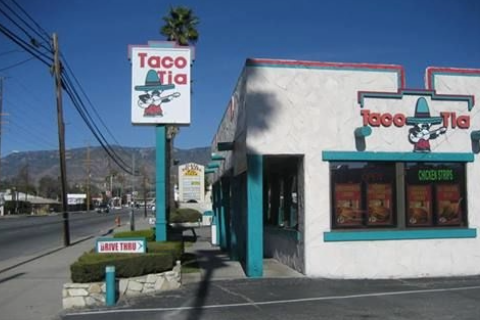
Before Taco Bell became a household name, Glen Bell ran a small chain in Southern California called Taco Tia. Launched in the 1950s, it offered hard-shell tacos for just 19 cents, along with simple Mexican-American fare like chili dogs and tostadas. The name Taco Tia came from the idea of a friendly aunt serving up tacos. Though it gained a loyal following, Bell sold the business and moved on to open Taco Bell in 1962.
Food historians point to Taco Tia as an essential stepping stone in the evolution of American fast food. It proved there was real interest in Mexican-style dishes, even in post-war suburbia. While its menu wasn’t bizarre by today’s standards, its role as a prototype makes it a fascinating chapter in fast food history. Taco Tia’s legacy lives on through Taco Bell, but its quirky name and origins are often forgotten by modern customers.
10. Double Down
KFC’s infamous Double Down sandwich turned heads when it launched in 2010. Instead of bread, the sandwich used two deep-fried chicken filets as buns, sandwiching bacon, cheese, and sauce in between. It was a bold, protein-packed meal that quickly went viral. While many customers tried it once out of curiosity, others found it too greasy or over-the-top. Despite its buzz, it quietly disappeared from menus by 2014, though it has made brief comebacks since.
Nutrition experts say the Double Down was a marketing success but a nutritional nightmare. It pushed the limits of what fast food could be, and that shock factor gave it staying power, even if it wasn’t sustainable. Some loved it, others hated it, but no one forgot it. The Double Down showed that strange menu items can be attention-grabbing, but if they’re too far from the everyday comfort zone, they probably won’t stay for long.
11. Waffle Taco
Taco Bell entered the breakfast game in 2014 with the Waffle Taco. It featured a folded waffle filled with scrambled eggs, sausage or bacon, and shredded cheese, served with a packet of syrup. Designed to be sweet and savory all in one, it was an early attempt at handheld morning food. The concept made headlines, but customers were divided on whether it was genius or just weird. It vanished from the menu by 2015.
Food trend watchers say the Waffle Taco was ahead of its time but not quite refined. The flavor combo worked, but texture and convenience fell short for commuters. Still, it laid the groundwork for more successful breakfast options like the Crunchwrap. The Waffle Taco is a perfect example of fast food innovation that takes risks, even if it doesn’t pay off immediately. Sometimes the weirdest ideas pave the way for something smarter down the road.
12. BK Burger Shots
Burger King introduced BK Burger Shots in the late 2000s, hoping to jump on the slider trend. These tiny burgers were sold in packs of two or six and aimed to be a shareable, snack-friendly item. Each mini burger had pickles and a squirt of ketchup on a soft bun. Despite being bite-sized and cute, they didn’t gain much traction. Within a few years, Burger Shots were gone, rarely mentioned again.
Marketing analysts say the failure of Burger Shots came from poor timing and a muddled brand identity. Burger King has always focused on flame-grilled flavor and big portions. The slider format contradicted that image and didn’t bring anything unique to the table. Although similar items succeeded at other chains, BK’s execution didn’t stand out. It’s a reminder that when fast food brands stray from their strengths without adding real innovation, customers quickly move on.
13. Meximelt
The Meximelt was a warm, soft taco-like item from Taco Bell that combined ground beef, pico de gallo, and melted cheese in a flour tortilla. It was never heavily advertised but quietly developed a cult following over the years. Fans loved its simplicity and blend of fresh and cheesy textures. Yet in the 2010s, the Meximelt quietly vanished from menus. Many customers didn’t even realize it was gone until it was too late.
Taco Bell has said that streamlining the menu was a necessary business move, but fans still pine for the Meximelt. Online petitions and copycat recipes have kept its memory alive. Experts say the item’s quiet disappearance shows that even beloved options can be removed if they aren’t high sellers. The Meximelt proves that fast food loyalty isn’t always loud, but once people realize their favorite is gone, they’ll talk about it for years.
14. Chicken Broiler
In the 1990s, Burger King rolled out the Chicken Broiler, a grilled chicken sandwich aimed at customers seeking healthier options. It came with lettuce, tomato, and a light sauce on a whole-wheat bun, a notable contrast to the brand’s usual fried offerings. Despite the health-conscious direction, it didn’t stick. By the early 2000s, the Chicken Broiler quietly disappeared as Burger King returned focus to its more indulgent, flame-grilled core menu.
Industry observers say the sandwich was actually a solid move nutritionally, but the execution and branding fell flat. Customers didn’t associate Burger King with broiled anything, and the sandwich didn’t stand out enough to shift perceptions. The Chicken Broiler serves as a lesson in how even smart, health-forward products can fail when they lack strong marketing and brand alignment. It’s not just about what you sell, it’s about how well it fits the rest of the story.
15. Priazzo
In the 1980s, Pizza Hut introduced the Priazzo, a deep-dish Italian pie that resembled a layered lasagna more than a traditional pizza. It came in varieties like the Roma with meat, Milano for vegetarians, and Florentine with spinach and cheese. Each was stuffed with rich fillings and baked in a special pan. The Priazzo was Pizza Hut’s attempt at upscale dining in a fast food setting. Despite its unique presentation, it didn’t last long.
Restaurant analysts say the Priazzo struggled due to long prep times and complex ingredients that clashed with Pizza Hut’s fast, simple model. While the idea had fans, it never scaled well and proved too complicated for busy kitchens. The Priazzo remains one of the brand’s most intriguing forgotten items. It’s a reminder that even great-tasting food can flop if it’s not built for speed and volume, two pillars of any successful fast food operation.
16. McSpaghetti
Yes, McDonald’s once served spaghetti in several markets, including the U.S., during the 1970s and 1980s. Known as McSpaghetti, the dish included pasta, tomato sauce, and a sprinkle of cheese, and was usually served alongside fried chicken in places like the Philippines, where it still exists today. In America, though, it never quite caught on. Customers were confused, and it didn’t align with McDonald’s burger-and-fries brand identity.
Brand strategists say McSpaghetti was a case of good intentions with poor alignment. McDonald’s wanted to diversify, but pasta didn’t fit with its speed, flavor profile, or customer expectations. While it was popular in international markets where spaghetti is commonly served at fast food chains, American diners didn’t bite. McSpaghetti’s U.S. legacy is one of curiosity more than craving. It’s a great example of how localization can work, just not everywhere. One size never fits all in the world of fast food.
17. McLean Deluxe
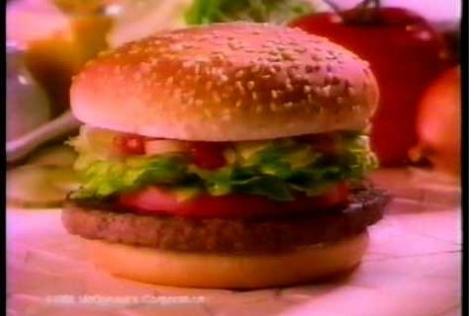
In the early 1990s, McDonald’s introduced the McLean Deluxe, a low-fat burger that used seaweed extract to bind lean beef together. Marketed as a healthier alternative, the McLean had 90 percent lean beef and far fewer calories than a Big Mac. Nutrition-wise, it was a win. But taste testers often said it was dry, bland, or just plain odd. By 1996, it was pulled from menus without much fanfare.
Health experts say the McLean Deluxe was a smart concept released before its time. But customers come to fast food joints for indulgence, not restraint. If the flavor doesn’t hit, even the healthiest burger won’t fly. The McLean serves as a lesson in balance. Yes, health matters, but taste rules the table. It helped pave the way for future better-for-you menu items, even if it wasn’t the one to crack the code.