
1. Venice, Italy
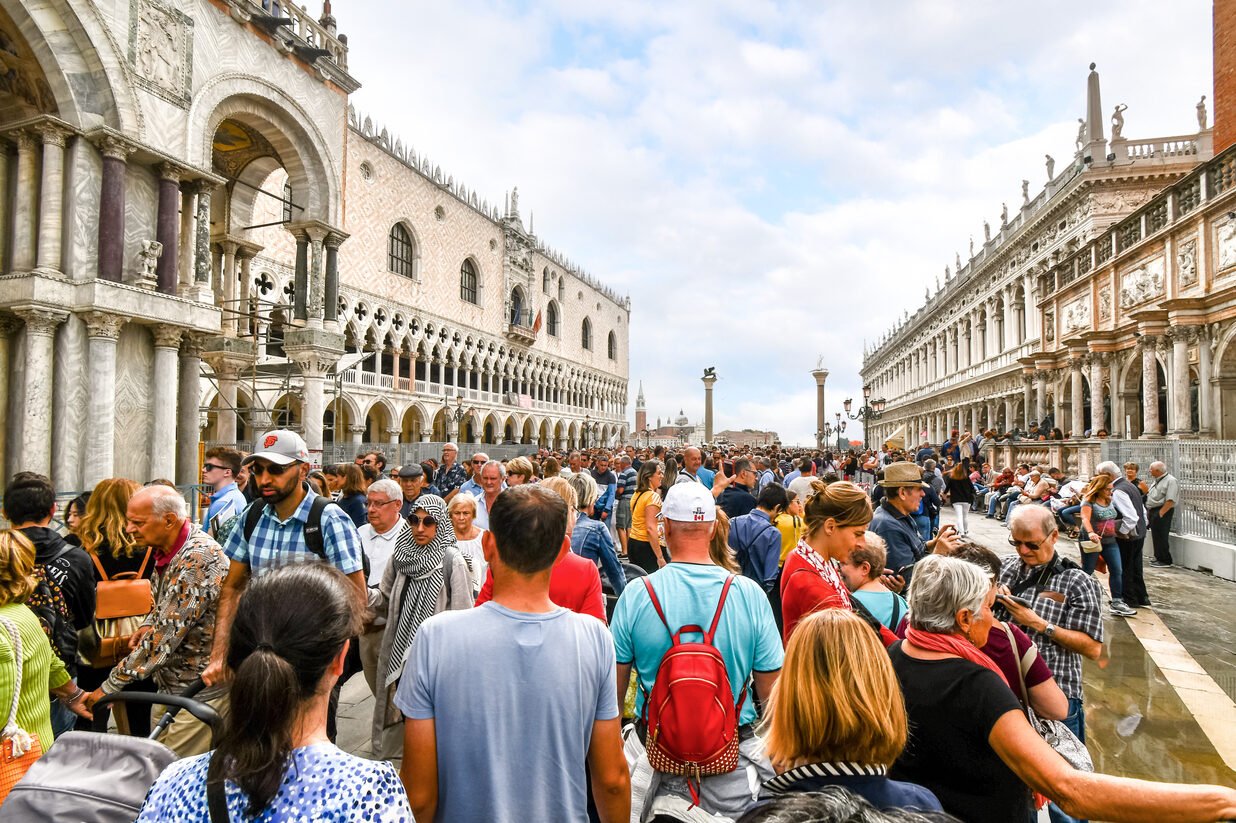
Wandering through Venice’s canals feels like stepping into a fairytale, until cruise-ship crowds swallow your route and gondola lines wind around corners. The soaring number of tourists, up to 30 million a year, has pushed housing prices so high that locals are forced to move to the mainland known as “terraferma.” Short-term rentals now outnumber permanent homes, with six out of ten properties listed for tourists. The result? Quiet alleyways turned into selfie zones, and a bubbly charm that’s losing its sparkle.
Experts on overtourism warn that unchecked visitor volume is hollowing out Venetian life and compounding population decline. Historic-center residents have dropped from around 175,000 in the 1970s to under 50,000 today. Local authorities are responding with a €10 day-tripper fee, caps on cruise ships, and efforts to restore council housing to young families. But locals suggest real cultural magic lies off the beaten path in residential sestieri like Cannaregio and Castello, where you can sip a cicchetti and hear church bells instead of camera shutters.
2. Barcelona, Spain
It’s hard to resist the energy of Barcelona, but locals are growing weary of relentless tourist crowds. With around 15 million visitors each year, popular spots like Las Ramblas and Park Güell feel more like theme parks, and apartment buildings have been converted into short-term rentals. That shift is pushing up rent and altering daily life in once-tight-knit neighborhoods.
Experts studying tourism trends point out that mass tourism has eroded community ties and sparked public protests aimed at preserving the city’s identity. City council even set limits on visitor numbers at popular landmarks to manage overcrowding. Locals now encourage immersive experiences like tapas tastings in Gràcia or live music nights in Poble-sec, where you can taste authentic Catalan culture rather than navigating selfie-saturated plazas.
3. Dubrovnik, Croatia
Dubrovnik’s polished limestone lanes once felt like a secret, but the Old Town now braces for human traffic jams when two cruise liners dock before noon. With a resident base just over forty-one thousand, the city received nearly 1.5 million tourists in 2019, a ratio experts call Europe’s highest. Hotel vacancies vanish, souvenir stalls clog every archway, and grocery prices spike, pushing families toward quieter villages outside the medieval walls today.
Civic planners tried digital ticketing and capped cruise arrivals at 8,000 passengers each day. Yet residents say the best solution is dispersion. They recommend dawn walks atop the city walls before buses unload or ferrying to nearby Lokrum for shade and peacocks. Food lovers can escape crowds by following locals to Gruž Market after sunset, buying mussels straight off fishing boats and tasting rakija beside fishermen who still remember pre-television Game of Thrones days.
4. Bali, Indonesia
Bali’s emerald rice terraces once whispered with frogs and cicadas, yet over 6 million visitors clogged Canggu’s roads last year. Plastic waste floated ashore at Kuta, and water trucks rumbled toward villas where nightly rates surpass local monthly salaries. Researchers note property values have climbed 30 percent in a decade, squeezing young Balinese from ancestral homes and replacing courtyard shrines with infinity pools facing sunset bars.
Activists from Sungai Watch haul tons of river plastic each week, while local leaders push bans on single-use plastics and promote water refill stations. Sustainable guides suggest basing in Sidemen or Permuteran, joining temple purification ceremonies, and choosing guesthouses certified by Bali’s new eco-label. Their message is to treat Bali as a living culture, not a backdrop, so holy water keeps flowing and rice terraces keep singing.
5. Vang Vieng, Laos
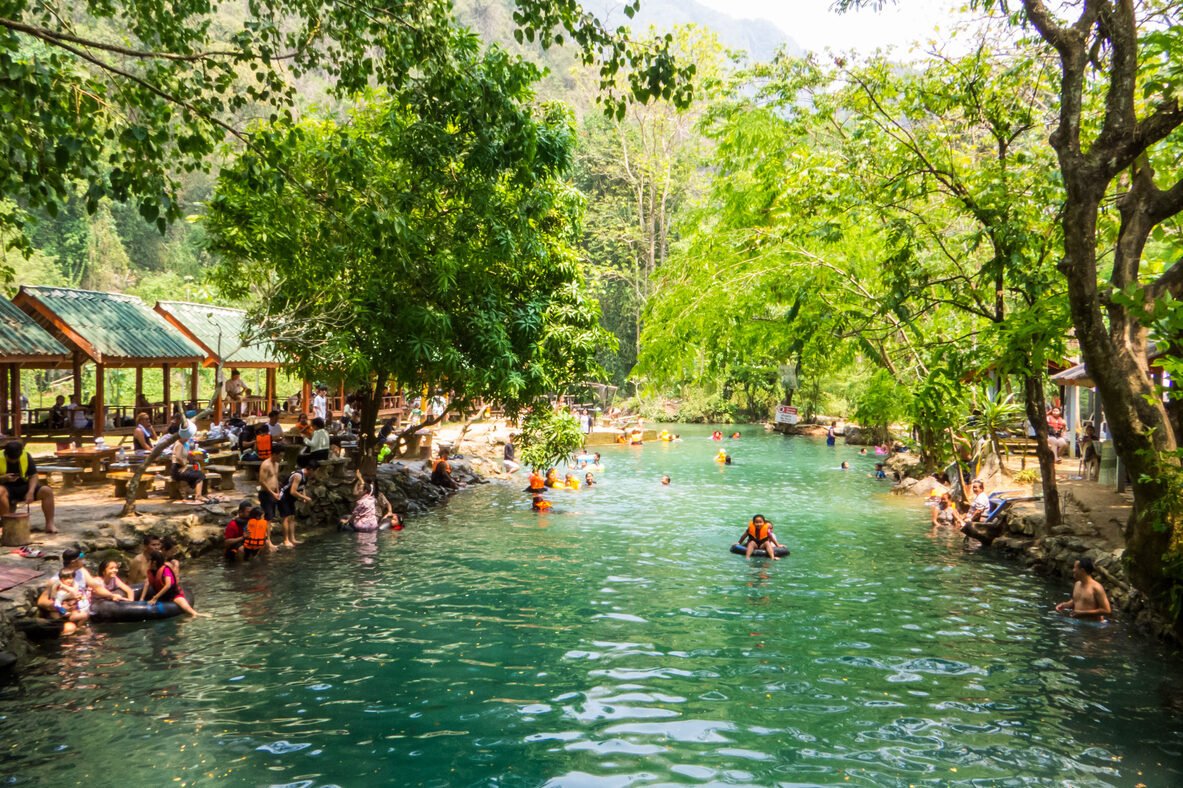
Vang Vieng was once a sleepy Lao farming town until backpacker bars along the Nam Song River turned tubing into a party hotspot. In 2011 alone, the local hospital recorded 27 tourist deaths, and injury counts overwhelmed its small wards. Alcohol-fueled zip lines, swing sets, and mushroom shakes transformed the river into a cautionary tale of too much, too fast.
The Lao government shuttered unsafe bars in 2012 and rerouted tourism toward kayaking, balloon rides, and caving. Community groups now promote homestays and village tours to attract travelers who respect culture and sustainability. Guests are encouraged to buy river-cleaning passes, carry reusable bottles, and learn about local traditions. For those who visit with mindfulness, Vang Vieng still offers stunning landscapes and genuine connections.
6. Times Square, New York City
First-time visitors gasp at Times Square’s LED canyon, but locals flee it like a tourist trap. With 300,000 pedestrians a day, swelling to 400,000 in good weather, this neon hub can feel overwhelming. You’ll encounter overpriced snacks, aggressive costume characters, and flashing billboards at every turn, what locals call sensory overload on steroids.
New Yorkers suggest skipping Times Square altogether and heading to nearby gems like Bryant Park or Hell’s Kitchen for a more authentic vibe. For the best skyline views, hop the Roosevelt Island Tram at sunset and avoid the crowds altogether. Times Square may light up your camera roll, but the real New York lives just a few blocks away.
7. Walt Disney World, Orlando
Walt Disney World may be magical for millions, but many Florida residents feel pushed out. Price hikes, blackout dates for annual passholders, and peak-season crowding make local weekend trips more stressful than magical. Even grabbing a bite or finding parking has become an ordeal for those living nearby.
Economists say Disney’s dynamic pricing caters to out-of-state tourists who’ll pay top dollar, sidelining local families. That’s why many residents now turn to quieter spots like Gatorland or state parks like Weeki Wachee Springs. Want the magic without the mess? Visit mid-week in the off-season or explore natural Florida, where the beauty is free and the lines are non-existent.
8. Hallstatt, Austria
This alpine town could be the poster child for overtourism. With fewer than 800 residents, Hallstatt welcomes over 10,000 tourists a day in peak season. Narrow streets overflow with photo-takers and drone flyers, and locals complain that their tiny village now feels like a movie set.
To fight back, local leaders have restricted bus traffic and asked visitors to stay overnight instead of rushing in for quick selfies. They say the town is best appreciated slowly, wandering the lakeside, dining with locals, and learning about Hallstatt’s salt mining history. If you visit, respect the rhythm of village life. It’s not just a postcard.
9. Santorini, Greece
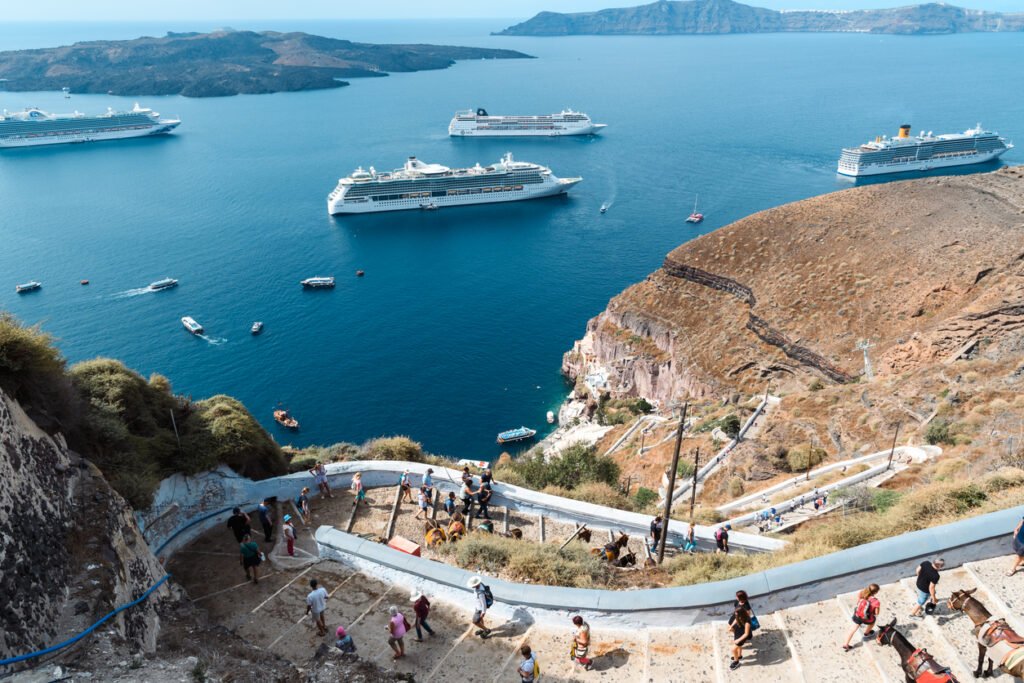
Santorini’s whitewashed homes and perfect sunsets are postcard-famous, but locals feel squeezed by the rising tide of mass tourism. At peak times, more than 15,000 visitors flood the island daily, nearly equaling its full-time population. That demand strains water, hikes housing costs, and clogs the cobblestone paths of Oia until it feels more like Disneyland than Greece.
Authorities are capping cruise ship arrivals and encouraging guests to explore lesser-known areas. Residents suggest staying in Pyrgos or Megalochori for a slower, more soulful experience. Come during shoulder seasons like spring or early fall and you’ll still get those sunset views, minus the elbow-jostling crowd.