
1. Sewing a Button by Hand
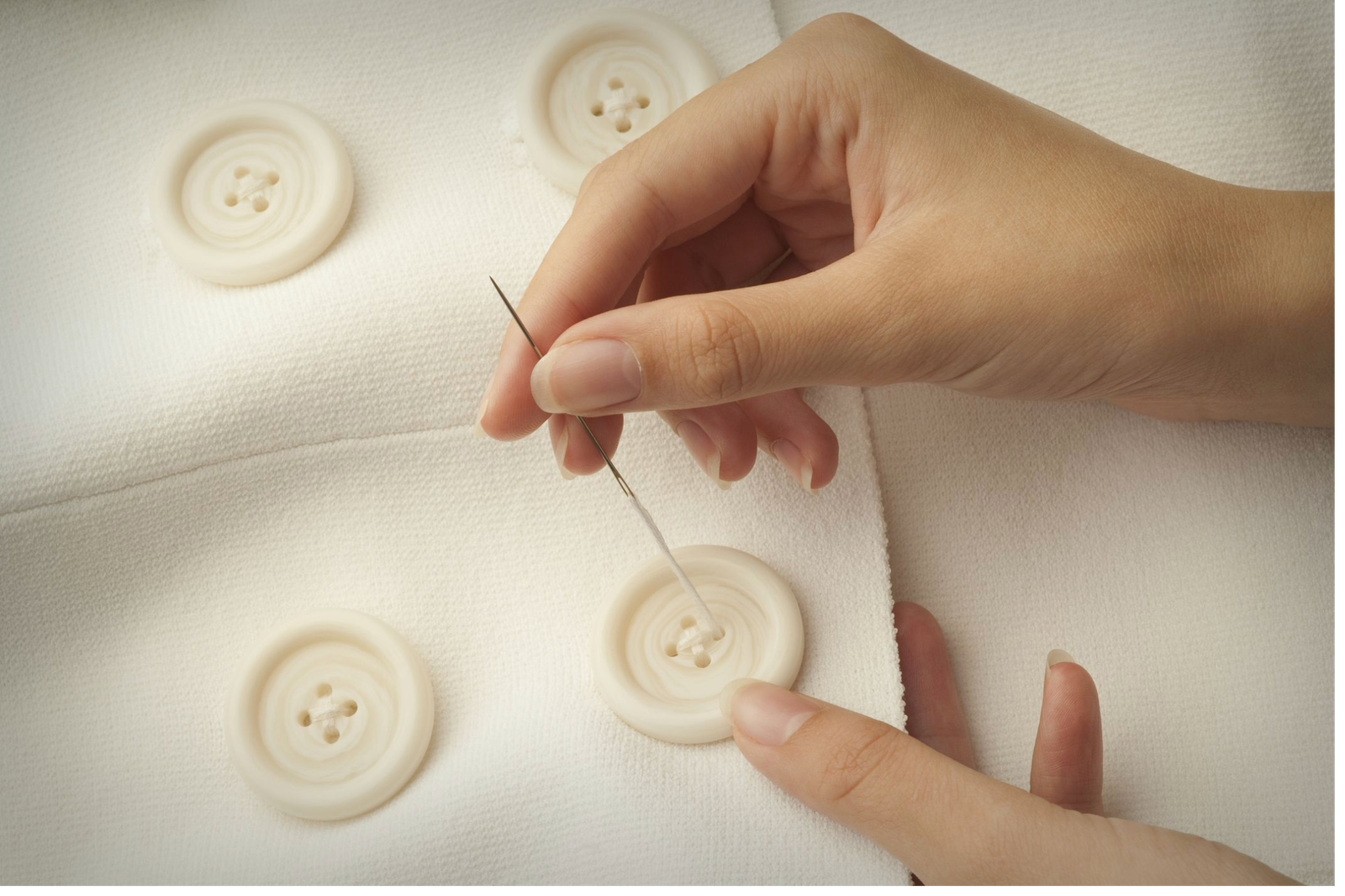
Back in the 1950s, sewing a button wasn’t optional. Teens learned to confidently restitch buttons using needle, thread, and knot techniques taught in home economics or by moms at the kitchen table. This skill avoided rushed wardrobe fixes and emphasized self‑reliance. Experts say hand‑sewn repairs made teens proud and practical, reinforcing resourcefulness at a young age. Today most teens don’t touch a needle until they’re forced to replace a ripped hem or altered costume.
Knowing how to sew a button strengthens fine motor skills, patience, and a do‑it‑yourself mindset. Even fashion lovers and thrift fans are rediscovering this skill as part of sustainable living. Teens who pick this up in their 40s or beyond often find themselves pleasantly surprised at how quickly it comes back and how empowering it feels. It’s one of those tiny tasks that carries a surprising amount of pride and purpose, even in today’s fast-paced world.
2. Folding a Napkin Properly
In the ’50s, folding cloth napkins neatly at dinner was considered essential etiquette. Teens learned dozens of folding styles from basic triangle shapes to household names while setting tables for Sunday dinners or hosting guests. These lessons came through school home ec classes or gentle parental guidance. It was more than flair. It showed respect, order, and a sense of occasion. Today, teens are more likely to toss paper napkins on the table without a second thought.
Yet folding cloth napkins teaches composition, precision, and care. It signals mindfulness in creating inviting spaces and shows attention to detail that lasts in both personal and professional settings. Parents and educators who teach this skill say it still bridges generations and brings warmth to everyday interactions. It’s not just about aesthetics. Folding a napkin with intention tells a story of care, tradition, and the quiet beauty of doing something the right way.
3. Basic Table Manners
In the 1950s, getting manners right at the table was nonnegotiable. Teens were taught when to start eating, how to pass dishes, and how to hold cutlery properly. These rules were learned in school, from films, or by watching elders. These skills reminded families and guests that dinner time reflected more than taste. It reflected character. Today, many teens lack these foundational habits, leading to awkward social missteps that can hamper confidence and grace.
Experts point out that good manners ease communication, foster empathy, and convey respect naturally. Parents say teaching even simple protocols like waiting for everyone before eating or using utensils correctly builds social ease in adults. These small behaviors shape how teens are perceived in both personal and professional settings. At the table or in life, the ability to act with consideration is a timeless trait. And it often starts with how we share a meal.
4. Tying a Tie
In the ’50s, teens learned to tie neckties by their sophomore year. It was a rite of passage before prom, a job interview, or church service. Learning different knots like the Windsor, four-in-hand, and half-Windsor was part of home ec or manual training classes, or picked up by watching dads early in the morning. Each knot taught structure, independence, and presentation skills used throughout life. Today, teens often rely on clip-ons or skip ties entirely.
But knowing how to tie a proper knot fosters composure and attention to detail. It also gives teens and adults a quiet confidence when dressing for formal occasions. The ability to tie a tie still says something about readiness and self-respect. Anyone who relearns it later in life finds the motion both nostalgic and surprisingly satisfying. It’s not just a fashion detail. It’s a tool for standing tall and owning your presence in any room.
5. Cooking Eggs Three Ways
During the 1950s, teens in home ec classes learned to cook eggs in boiled, scrambled, and fried forms at a minimum. Sometimes poached eggs were added to the mix. These lessons reinforced kitchen confidence, timing, and safety habits. Experts say mastering fundamental culinary skills like heat control and texture gave teens a solid foundation for adult cooking. Today, many teens rely on frozen meals or takeout and miss out on the joy of cooking basics.
But cooking eggs is more than a task. It’s an introduction to flavor, nutrition, and skill. Being able to whip up a perfect scramble or sunny-side-up egg builds trust in the kitchen. Teens who master it often expand into meal prepping or baking. Nutritionists say it encourages healthier eating choices and creative cooking. It’s a small, hands-on way to reclaim lost life skills and turn breakfast into a moment of empowerment and routine.
6. Ironing a Shirt
Teens in the 1950s were expected to know how to iron a shirt properly. Collar first, then sleeves, then body. Whether prepping for church, school events, or job interviews, this routine was part of personal pride and respectability. Home economics classes and parental guidance reinforced the technique, ensuring crisp collars and smooth cuffs that communicated attention to detail and readiness for adult life. Today, wrinkled clothes are often shrugged off or tossed into the dryer for a quick fix.
But ironing still teaches patience, control, and the value of presentation. It’s a tactile reminder that effort matters, especially in first impressions. Adults who revisit the practice find it calming and even meditative. The scent of hot cotton and the smooth glide of a hot iron evoke a slower, more thoughtful era. Teens who embrace it today gain more than a polished look. They reclaim a lost ritual of self-respect.
7. Writing a Thank-You Note
Handwritten thank-you notes were a teen standard in the 1950s. Whether it was after receiving a birthday gift, attending a dinner, or finishing a job interview, expressing appreciation in your own handwriting was considered polite and mature. Teens were taught how to keep their message personal, sincere, and properly formatted as a sign of good upbringing and emotional intelligence. In today’s digital world, thank-you notes have been replaced by quick texts or emojis.
But the heart of the gesture still matters. Writing a thoughtful note shows reflection, gratitude, and the ability to slow down in a rushed world. It’s a habit that stands out in both personal and professional circles. Teens who relearn this simple skill build stronger relationships and lasting impressions. Plus, receiving a handwritten note in the mail still feels like opening a small, heartfelt gift. That extra effort means more now than ever.
8. Reading a Map
Before GPS apps and digital navigation, teens were expected to read paper maps with confidence. They learned how to locate a city, trace a route, estimate mileage, and orient themselves using a compass rose. Families often practiced during road trips, and geography lessons reinforced the skill at school. Reading a map built not only spatial awareness but also a sense of adventure. Today, digital tools make directions effortless, but they also risk dulling navigation instincts.
Experts say teens who learn map reading improve their critical thinking and visual reasoning. It helps them feel more in control when technology fails or signals drop. Rediscovering the joy of maps also reconnects people with a broader understanding of places and the journeys in between. It’s a grounding skill that fosters self-reliance and curiosity. When you know how to find your way the old-fashioned way, you carry a confidence that no app can replace.
9. Writing in Cursive
In the 1950s, teens were expected to write in cursive as part of everyday communication. Schools emphasized legibility, speed, and style, making penmanship a personal signature of sorts. Letters, homework, even journal entries were handwritten with care. Cursive wasn’t just about looking elegant. It was about learning discipline, focus, and identity. Now, cursive is disappearing from classrooms, and many teens only use keyboards for school, work, or texting.
Yet studies show that cursive boosts brain development, memory retention, and fine motor skills. It slows the mind just enough to allow deeper thought. For older generations, seeing cursive brings back a rush of nostalgia. Teaching teens to write this way isn’t just about aesthetics. It connects them to a deeper, more expressive form of self and history. It’s a simple but powerful skill that still adds beauty, personality, and meaning to the written word.
10. Washing Dishes by Hand

Dishwashing by hand was a shared family chore in the 1950s, especially for teens. After dinner, they were expected to scrape, soak, scrub, and dry with a sense of rhythm and teamwork. Parents taught them the proper order. Glasses first, then plates, and finally greasy pots. It wasn’t glamorous, but it taught consistency, responsibility, and family cooperation. Today, with dishwashers in most homes, teens may never get to learn this once-essential routine.
But hand-washing dishes builds awareness of water use, cleanliness, and household responsibility. Experts say it encourages mindfulness and teamwork, especially when shared after a meal. For many adults, returning to this ritual sparks surprising peace, like therapy in warm water and suds. It’s more than clean dishes. It’s about grounding yourself in the moment, participating in daily life with intention, and honoring the value of small routines that connect us to home.
11. Sharpening a Knife
In the 1950s, teens learned how to care for tools, including kitchen knives. Knowing how to sharpen a knife on a whetstone or sharpening steel was as common as tying your shoes. It wasn’t just a kitchen task. It symbolized maturity and respect for craftsmanship. Boys and girls alike were taught how to hold the blade, maintain angle, and test sharpness safely. Today, many kitchens rely on pre-sharpened or disposable tools.
But learning how to sharpen a knife teaches patience, precision, and safety. It also deepens your relationship with cooking and craftsmanship. Experts say this forgotten skill can help teens build confidence through competence. It’s a tactile lesson in preparation and respect for tools, a throwback to when quality mattered more than convenience. And once learned, it’s unforgettable. There’s something deeply satisfying about turning a dull blade into something precise with your own hands.
12. Balancing a Checkbook
In the 1950s, balancing a checkbook was considered a rite of passage. Teens were taught to log every transaction, track deposits, and reconcile bank statements. Parents and schools emphasized financial literacy early, preparing kids to manage money wisely as they entered adulthood. This habit created a tangible awareness of spending and saving. Today, teens tap through banking apps without always understanding the big picture behind their money habits.
While the technology has changed, the need for financial discipline hasn’t. Experts say learning how to manually track spending builds deeper awareness and responsibility. Teens who grasp the mechanics of budgeting early are less likely to fall into debt traps later. The concept of balancing a checkbook still holds value as a symbol of financial control and independence. Even in the digital age, it offers a sense of ownership over your income and choices that no app can replace.
13. Planting and Growing Food
Victory gardens might have faded, but in the 1950s, many teens helped in home gardens. They learned to plant seeds, pull weeds, and harvest vegetables, often turning those into dinner that same night. Gardening taught patience, responsibility, and the rewards of nurturing something over time. It also connected families with the rhythm of seasons and the value of fresh food. Nowadays, most teens are disconnected from how food grows.
Yet gardening is regaining popularity for its mental health benefits and sustainability. Experts say it boosts mood, reduces anxiety, and reinforces environmental awareness. Teens who grow even a small herb garden gain a deeper appreciation for nature and nourishment. It’s a skill that fosters calm, purpose, and care. Whether it’s a backyard bed or a windowsill planter, reconnecting with soil and sunlight offers a much-needed balance to the fast-moving, screen-filled lives we lead today.
14. Making a Bed With Hospital Corners
In the 1950s, bed-making was a morning must, and doing it right, hospital corners and all, was the standard. Teens were taught how to tuck the sheets tight enough to bounce a coin, a nod to military influence and domestic pride. This daily ritual wasn’t about neatness alone. It was about starting the day with intention and taking care of one’s space. Today’s teens might skip bed-making altogether.
But experts argue the habit still shapes mindset. Completing a small task first thing sets a productive tone and builds discipline. Mastering hospital corners may seem outdated, but it reflects attention to detail and care. And there’s something satisfying about walking into a room that feels peaceful and pulled together. Making a bed properly is one of those simple life skills that can subtly transform your morning and create a sense of calm and readiness for the day ahead.
15. Changing a Tire
In the 1950s, knowing how to change a tire was a basic skill expected of every teen, especially boys. Drivers were often far from help, and calling for roadside assistance wasn’t common. Teens learned where to find the jack, how to loosen lug nuts, and how to replace a spare safely. This skill symbolized readiness and independence. Today, many young drivers don’t know what to do in a flat tire emergency.
Experts say that teaching teens how to handle car basics builds confidence and self-sufficiency. It’s not just about fixing a tire. It’s about understanding your vehicle and being prepared. The pride in completing the task solo is unmatched. And who wouldn’t want their teen to be the calm one on the roadside, handling things with ease? It’s a rite of passage that still deserves a place in the modern world of driving.
16. Polishing Shoes
In the 1950s, shining your shoes was a regular part of grooming, especially for teens heading to church, school events, or job interviews. Boys and girls both learned how to buff leather, apply polish, and use a brush to bring out a glossy shine. This ritual wasn’t just about looking sharp. It taught care, presentation, and respect for your belongings. Today, sneakers have replaced oxfords, and shoe-shining is a fading practice.
But learning how to maintain your footwear is still a valuable lesson. Experts say it builds a sense of ownership, patience, and pride. A polished shoe communicates attention to detail and intention, traits that matter in both social and professional situations. Whether done for tradition or self-discipline, it’s a satisfying act of transformation that helps people slow down and take pride in what they wear, even in an age of fast fashion and throwaway trends.
17. Writing a Formal Letter
Teens in the 1950s knew how to write formal letters. They were taught to format the address, include a greeting, craft clear paragraphs, and close respectfully. It was part of school assignments, job applications, and family communications. Mastering letter writing taught organization, respect, and communication skills. Today, texting and emails dominate communication, and many teens never learn how to write formally. But formal writing still has power, especially in college applications.
Cover letters and official correspondence still demand a certain tone and structure. Experts say it teaches professionalism and clarity. Teens who master this skill have an edge in situations that require thoughtfulness and polish. It’s a communication form that never fully goes out of style and still opens doors. Writing a formal letter shows you’re serious, prepared, and able to express yourself with intention and care, something that never loses relevance in a world that values strong communication.
18. Using a Clothesline

In the 1950s, many teens helped with laundry by hanging clothes on a line. They learned to shake out wrinkles, use clothespins properly, and space garments to dry evenly. The chore taught responsibility, patience, and awareness of weather and time. It also brought a fresh outdoor scent that dryers just can’t replicate. Today, most teens toss laundry into machines without thinking twice about what they’re missing in that lost routine.
But using a clothesline reduces energy costs, promotes sustainability, and brings mindfulness into everyday routines. Experts say the task encourages environmental awareness and reconnects people with rhythms of nature. It’s also surprisingly therapeutic. The simple act of hanging clothes to dry invites a break from screens and schedules. It’s one of those old-fashioned chores that offers more than clean laundry. It offers a slower, more grounded way of living and maybe, just maybe, a little more peace in the middle of a busy day.