
1. Taking Home Leftovers
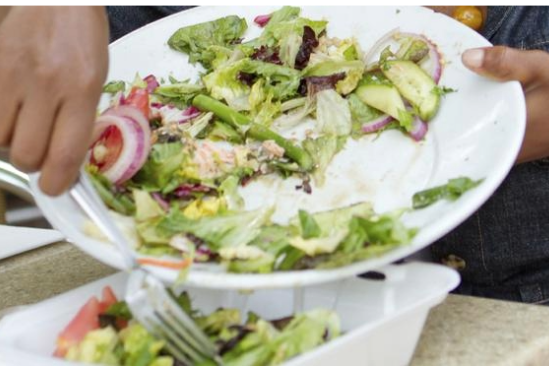
In American restaurants, it is common practice to wrap up unfinished food and take it home. Many diners order large entrées expecting leftover meals later. This surprises tourists from Europe and Asia, where portion sizes tend to be moderate and taking food to-go is less common or sometimes frowned upon.
Food culture experts trace the custom to wartime thriftiness and practicality. Today, it is seen as eco-friendly and smart. Visitors may feel awkward asking for a container, but for Americans, it is completely normal and practical to take a half-eaten burger or pasta home for later.
2. Asking for Water All the Time
In the United States, diners are frequently offered unlimited water, either tap or bottled, at no extra cost. Tourists are often baffled when waiters refill their glass repeatedly, even if they have only taken one sip. In countries where water is paid for or served in small amounts, this habit can seem excessive.
Hospitality norms in America equate free water with good service and comfort. While some visitors find it strange at first, they often leave the restaurant feeling more hydrated than expected. For locals, it is just part of the routine.
3. Splitting the Check
In American dining culture, it is common for groups to request separate checks. People often say, “Can we split the bill?” and expect the restaurant to divide everything up, either evenly or by individual orders. Tourists may find this practice overly complicated or impersonal.
In many other countries, one person pays and others settle up later. But in the U.S., splitting the bill reflects a culture that values fairness and financial independence. Each person pays for exactly what they consumed, and no one feels awkward about it.
4. Ordering Customizations
Americans have no problem modifying menu items. They’ll ask for sauces on the side, gluten-free substitutions, or extra toppings. Tourists from countries with stricter kitchen etiquette may feel uncomfortable doing the same.
In the U.S., customization is encouraged. Restaurants cater to dietary restrictions and personal taste, and servers rarely blink at special requests. Visitors may start off hesitant, but after a few meals, many appreciate the flexibility. In American restaurants, getting what you want is not a luxury—it is expected.
5. Celebratory Freebies
In the United States, it is common for diners to mention birthdays or anniversaries in hopes of a special treat. Waitstaff often bring out free desserts and gather for a cheerful rendition of “Happy Birthday.” Tourists sometimes find these public celebrations surprising or over-the-top.
These small gestures are rooted in American customer service culture, where positive memories drive loyalty. While the group singing might make some blush, many guests end up enjoying the attention and the extra slice of cake.
6. Tipping Expectations
American tipping practices confuse many tourists. In the U.S., tipping between 15 to 25 percent is customary, even when the service feels just okay. In countries where tips are small or already included in the bill, this can be hard to get used to.
Restaurant servers in the U.S. often rely on tips as a primary income source. What may feel like a confusing custom to visitors is a vital part of the restaurant economy. Not tipping is considered rude, even if the service was standard.
7. Speedy Service
Dining in America tends to move quickly. Servers approach the table promptly, take orders fast, and sometimes bring the check before the meal is finished. Tourists used to lingering over a meal may find this pace jarring.
Restaurants in the U.S. aim for high turnover and quick customer satisfaction. Speed is equated with efficiency and friendliness. While visitors may initially feel rushed, many come to appreciate how swiftly everything runs, especially during a busy day of sightseeing.
8. Waiters Constantly Checking In
One of the most noticeable things in American restaurants is how often servers check in. From refilling drinks to asking, “Is everything okay?” it can feel like constant attention. Tourists might find it excessive or even intrusive.
However, in the U.S., this level of attentiveness is considered excellent service. It is tied directly to tipping culture. While it may take some adjustment, most visitors recognize it is just part of the local dining experience, not personal pressure.
9. Large Portions
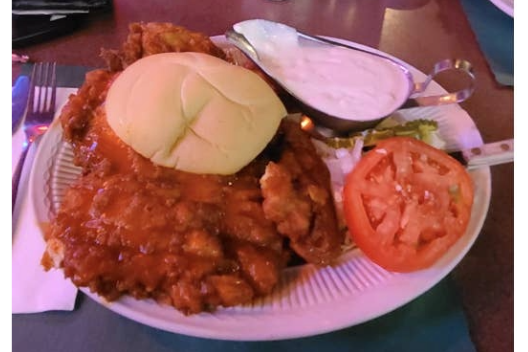
American restaurants are known for their generous portion sizes. A single plate can feel like it was made for two people. Tourists often react with amazement or confusion when their food arrives.
Portions reflect a value-for-money mindset. The bigger the meal, the better the deal. While many locals take leftovers home, visitors may feel guilty about wasting food or overwhelmed trying to finish everything. Still, few forget their first oversized American entrée.
10. Ice in Every Drink
Ask for water or soda in an American restaurant and you will likely receive a glass full of ice. For many visitors, especially those from Europe, this feels unnecessary or even unpleasant.
Americans associate ice with freshness and cleanliness. It is considered standard, not optional. Tourists often learn to request “no ice” or “less ice” after their first visit, but it remains one of the most commented-on differences in U.S. dining.
11. Dining Close to Strangers
Tables in American restaurants can be surprisingly close together. Diners may find themselves elbow-to-elbow with strangers, especially in crowded spots or trendy cafés.
While this may feel awkward to visitors from cultures where space is valued, most Americans are used to the cozy layout. It creates a social, energetic atmosphere, though it can take some getting used to if you’re not ready to share air with your neighbors.
12. To-Go Boxes Without Shame
Asking for a to-go box is routine in the U.S., even after a formal dinner. Tourists from countries where taking leftovers is uncommon might feel awkward asking, but servers are always ready to oblige.
In America, packing up your food is viewed as smart and environmentally conscious. It helps reduce waste and gives you another meal to enjoy later. Once visitors realize how normal it is, they often embrace it enthusiastically.
13. Customizing Orders
Customization is a key part of the American restaurant experience. Diners are expected to tweak their orders to suit personal preferences. Tourists may be reluctant to ask for changes, fearing it is rude or inconvenient.
But in the U.S., this is not only acceptable, it is encouraged. Restaurants build flexibility into their service model. After a few meals, many international guests find it refreshing to be able to get exactly what they want.
14. Free Bread and Appetizers
Many U.S. restaurants offer free bread, chips, or other small snacks as soon as you sit down. Tourists are often surprised to get food without ordering anything yet.
This gesture is a longstanding tradition meant to make guests feel welcome. Some visitors may worry about hidden charges, but these appetizers are usually complimentary. Once reassured, they often see it as a thoughtful bonus and enjoy the extra treat.
15. Eating at the Bar
Eating at the bar is not just allowed in America—it is often encouraged. For solo travelers or those without reservations, it is an easy way to enjoy a full meal quickly.
Bar seating can feel informal and social. Bartenders act as servers, and the full menu is available. Tourists who try it often enjoy the relaxed experience and friendly interaction, even if it initially feels out of place.
16. Leaving Right After Paying
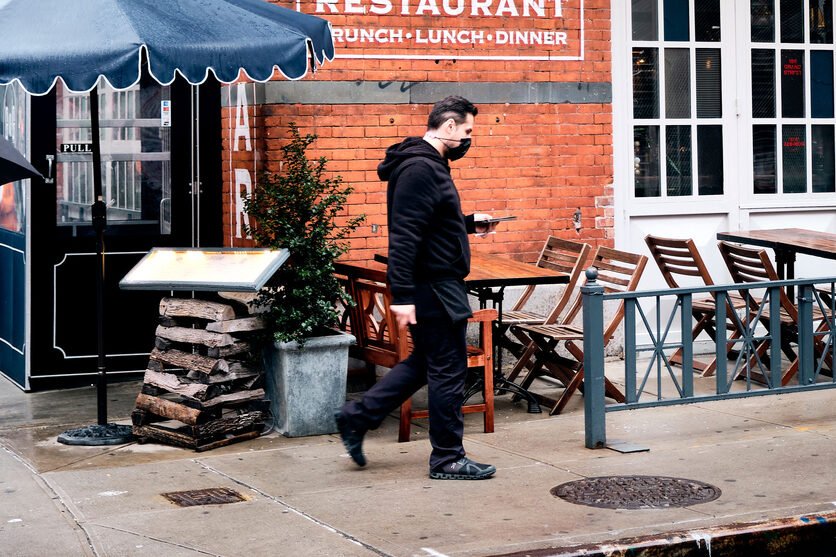
In many countries, paying the check is not the end of the meal. People stay, talk, and relax. In the U.S., however, once the bill is paid, most diners leave soon after.
This behavior is rooted in efficiency and respect for the next guests. Americans believe lingering too long takes up valuable space. Tourists might feel rushed, but for locals, it is just the natural conclusion to a successful meal.