
1. Table-Side Tossed Salads
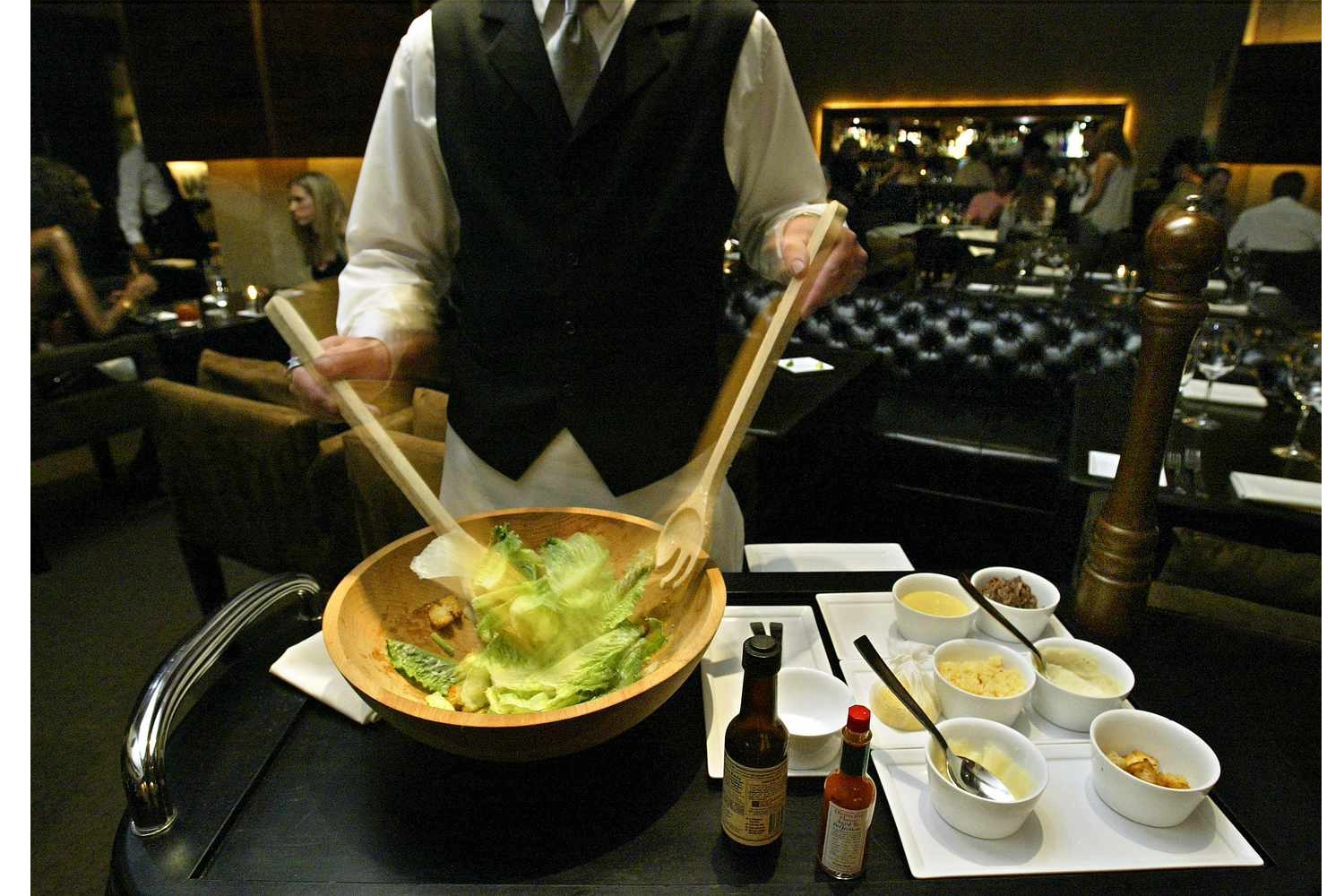
Back in the day, when you ordered a salad at a nicer restaurant, it didn’t come pre-mixed in a plastic bowl. It was tossed right in front of you, by a server who treated the act like performance art. They’d ask your dressing preference, mix the greens with flair, and finish with a flourish. It was personalized, intimate, and made you feel like you were worth the effort.
But as restaurants became more streamlined and labor costs rose, this tradition quietly vanished. Today, most salads come pre-made from the kitchen, losing that personal touch. Table-side prep is now reserved for the priciest of spots, and for many younger diners, it’s something they’ve only seen in movies. It wasn’t just about lettuce. It was about feeling seen.
2. Jukeboxes at Every Table
There was something almost magical about sliding into a booth, flipping through tiny laminated pages, and picking the perfect song on your table’s mini jukebox. For a quarter, you could set the tone of your whole meal. Whether it was Elvis crooning or The Supremes harmonizing, it made the diner feel like your space.
But as technology evolved, these personal jukeboxes became too expensive to maintain and increasingly out of sync with how people listen to music today. By the 2000s, they were relics, more decorative than functional. Music still plays in restaurants, but now it’s often corporate-curated playlists on a loop. The power to pick the vibe is long gone.
3. Handwritten Daily Specials on a Chalkboard
Walking into a neighborhood spot and seeing the daily specials scribbled in chalk was like getting a secret message from the chef. It wasn’t just about what was fresh. It was a nod to the place’s soul. A roast turkey platter on Wednesdays? You knew it meant someone in the kitchen still cared about tradition.
Today, chalkboards have mostly been replaced by digital menus or mass-printed inserts. In many chains, “specials” aren’t based on fresh ingredients but on whatever corporate marketing is pushing that week. That handwritten touch, complete with smudges and flair, is harder to find. It wasn’t just about food. It was about heart.
4. Complimentary Bread Baskets
There was nothing like the feeling of sitting down at a restaurant and immediately getting a warm basket of bread. Whether it was soft dinner rolls, buttery cornbread, or crusty sourdough, it was a simple gesture that made guests feel instantly welcome. You didn’t have to ask. You didn’t have to pay.
But as food costs climbed and profit margins shrank, many restaurants quietly stopped offering free bread. Now, you’re more likely to find it listed on the menu as a paid appetizer. The tradition of giving first, before asking anything in return, has faded. For many diners, that bread basket wasn’t just a snack. It was a signal that hospitality still mattered.
5. Waitstaff Who Knew You by Name
There was a time when your local diner felt like an extension of your living room. The waitress knew your name, your usual order, and maybe even asked how your kid’s soccer game went. Regulars weren’t just customers. They were part of the family. You felt like you belonged.
With staff turnover rising and corporate chains taking over local spots, that sense of personal connection has gotten harder to find. Today, many restaurants operate with efficiency, but little room for memory. You might be treated politely, but rarely personally. The death of the true “regular” experience marked the end of something deeper than dining. It marked the end of being remembered.
6. Spinning Dessert Trays
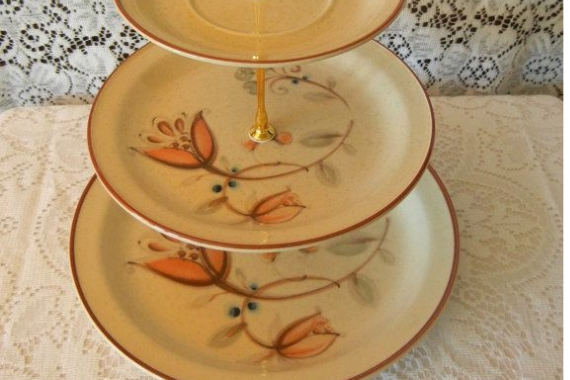
There was a time when dessert didn’t just arrive as an afterthought on a laminated menu. It rolled out to your table in the form of a spinning tray or cart, gleaming with real slices of cake, pies, and parfaits. You didn’t just read about your options. You saw them in all their glory and pointed to the one calling your name.
But as dessert options became prepackaged and restaurants focused on quicker turnover, these iconic carts disappeared. They were labor-intensive and required extra space. More importantly, fewer diners ordered dessert at all. The dessert tray wasn’t just about indulgence. It was about the theater of choosing something sweet, with your eyes wide open like a kid in a candy shop.
7. Coffee Refills Without Asking
There used to be a near-magical rule at old-school diners. Your coffee cup never hit empty. A server would silently appear, pot in hand, and top you off before you even had to raise an eyebrow. It was endless, effortless, and warm in more ways than one.
Nowadays, unless you’re at a nostalgic greasy spoon, free refills often require a request. At many places, you might even pay by the cup. The shift toward efficiency and less table time has chipped away at that cozy ritual. Free coffee refills weren’t just about caffeine. They were a quiet promise that you were welcome to linger.
8. Coin-Operated Candy and Toy Machines
Remember finishing your grilled cheese and racing to the front of the restaurant with a quarter clutched in your hand? Those gumball machines and plastic bubble toy dispensers weren’t just fun distractions. They were tiny rituals that marked the end of a good meal with a touch of wonder.
But as consumer safety rules tightened and credit cards replaced coins, these machines started vanishing. Today’s restaurant lobbies are sleeker and more sanitized, and the magic of surprise-toy capsules has been lost to app games and screens. For a generation, though, those machines were pure joy you could buy for 25 cents.
9. Matchbooks with the Restaurant’s Name
There was a time when nearly every restaurant offered branded matchbooks by the hostess stand or tucked with your check. Even if you didn’t smoke, you took one. They were tiny souvenirs that told the world where you’d been and made your night out feel like an event worth remembering.
As smoking bans became widespread and branding went digital, matchbooks disappeared almost overnight. Now, they’re vintage collectibles. Their absence signals the end of an era when restaurants didn’t just feed you. They marked your memory. A name on a matchbook was more than marketing. It was a keepsake.
10. Dress Codes That Actually Meant Something
Going out to eat used to be an occasion. People dressed up, even for family dinners. Collared shirts, skirts, polished shoes. It wasn’t about fashion. It was about respect for the place, the staff, and the experience itself. Restaurants held the line too. No jeans, no sneakers, no service.
Today, you’ll find patrons in gym clothes at steakhouses and sandals at sushi bars. With a few exceptions, dress codes are rarely enforced, and the culture has shifted toward comfort over decorum. While inclusive dining is a positive step, the loss of formality also stripped away the excitement of “going out” as an elevated event.
11. Paper Placemats with Fun Games or Facts
Especially in mom-and-pop joints or pizza parlors, kids used to sit down to a paper placemat covered in tic-tac-toe, mazes, trivia, or even local history tidbits. They weren’t just place settings. They were conversation starters and quiet distractions that made dining feel like an adventure, especially if you had crayons.
These playful mats were gradually phased out in favor of plastic menus or minimalist table settings. Environmental concerns, printing costs, and a shift toward digital entertainment helped push them into obscurity. Still, many diners miss the charm of doodling on the table while waiting for a burger. It was the analog version of a phone, but with more laughter.
12. Restaurant Phones at the Hostess Stand
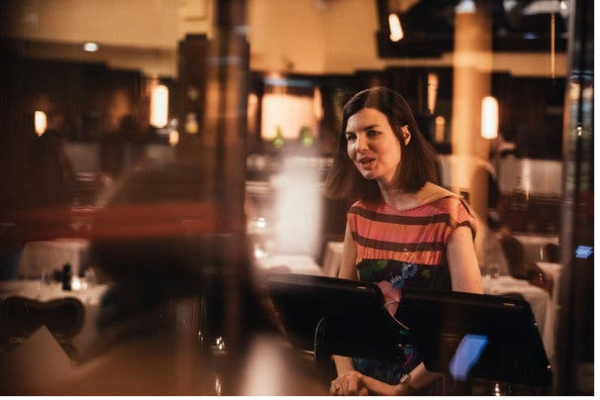
Once upon a time, if your date was running late or you needed a ride, you could politely ask to use the phone behind the hostess stand. Restaurants kept a line open for emergencies or calls from babysitters. It was a lifeline, especially before cell phones were common.
Now, with everyone carrying a phone in their pocket, that communal courtesy has faded. Asking to use the restaurant’s landline might even earn you a confused look. The disappearance of this tiny act is a reminder of how restaurants once cared for the full guest experience, not just the food. It was about being reachable, connected, and looked after, even from a vinyl booth.