
1. Giving Babies Whiskey for Teething
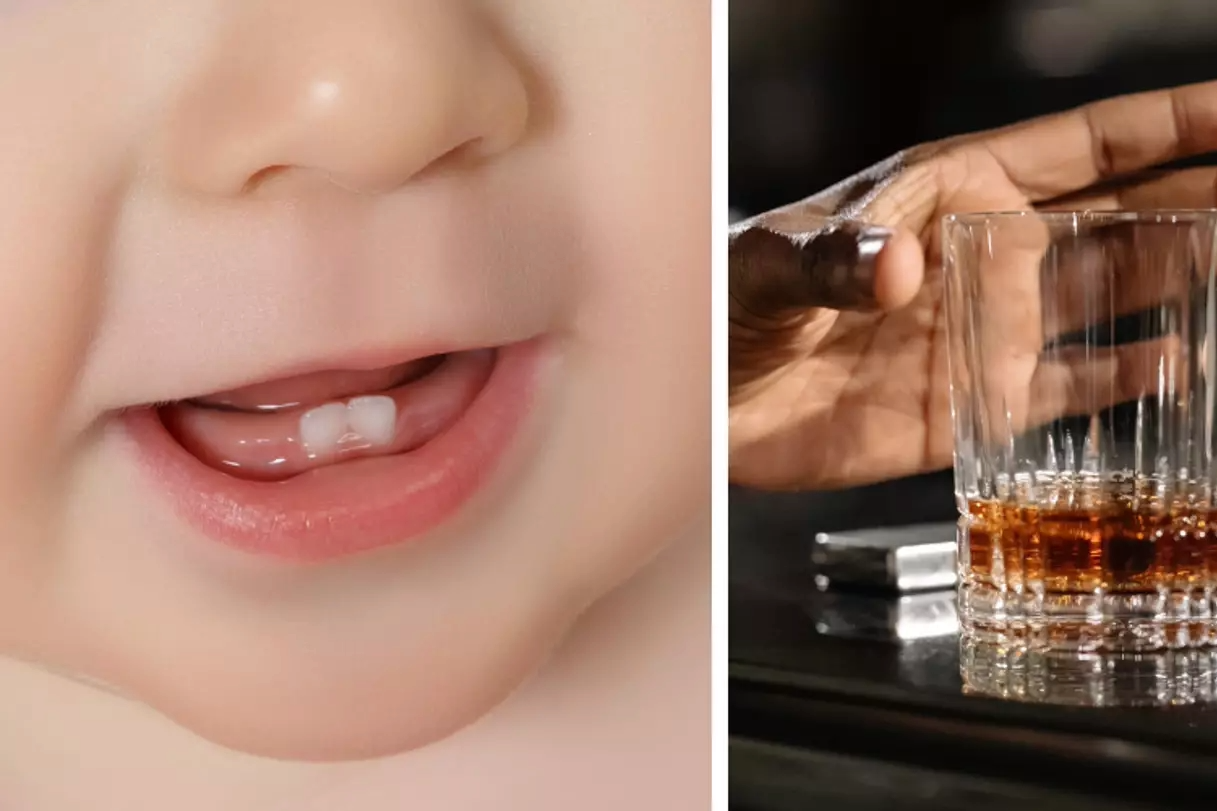
Once upon a time, it was common for grandparents to suggest rubbing a bit of whiskey on a teething baby’s gums. It wasn’t seen as reckless. It was considered wisdom passed down through generations. A dab of alcohol was thought to numb the gums and calm the child.
Today, pediatricians warn strongly against this practice. Modern medicine tells us even small amounts of alcohol can harm an infant’s developing brain and body. What feels shocking now was once a bedtime trick that made tired parents feel they were doing the right thing. Back then, it was about soothing. Now, it’s a cautionary tale.
2. Spanking as the Primary Discipline
For decades, spanking was the gold standard of discipline in American households. A wooden spoon, a paddle, or even a swift smack was seen as a loving correction, not abuse. Parents believed it built character and taught consequences, especially when dished out with a stern voice and a clear conscience.
Today, research shows that corporal punishment can lead to long-term emotional and behavioral issues. Most modern parenting experts recommend positive discipline techniques that focus on understanding and guidance. What was once normal kitchen-table parenting now makes many families uncomfortable. Times change, and so do our views on respect and authority.
3. Leaving Kids in the Car Alone
In the 1970s and 80s, it wasn’t unusual to leave your kids in the back seat while you ran into the store. Windows cracked, doors locked, and a reminder to not touch anything. It was a sign of trust and independence. No one batted an eye.
Today, leaving a child unattended in a vehicle is illegal in many states and considered dangerous, even for a minute. Child safety advocates highlight the real risks of heatstroke, abduction, or even car accidents. What once symbolized street smarts now triggers emergency calls and serious legal consequences.
4. Smoking Around Children
Back in the day, parents lit up cigarettes at home, in the car, or even while holding a baby. There were ashtrays in every room and smoking sections in restaurants and airplanes. Nobody questioned it. Tobacco ads were family-friendly and even showed doctors with cigarettes in hand.
Today, secondhand smoke is a confirmed health hazard. It’s been linked to asthma, respiratory illness, and long-term cardiovascular issues in children. What was once a background cloud of normalcy now makes modern parents cringe. We’ve since learned that protecting a child’s lungs is just as important as protecting their feelings.
5. Choosing Formula Over Breastfeeding
In the 1950s and 60s, formula feeding was widely promoted as a modern, scientific alternative to breastfeeding. Hospitals often handed out samples, and ads convinced mothers that bottle-feeding was cleaner and more convenient. Breastfeeding was sometimes seen as old-fashioned or even lower class.
Today, while formula is still a valid choice, breastfeeding is often emphasized for its health benefits. Public health organizations now encourage nursing when possible for its immune and developmental support. The shift in perception reflects changing knowledge, not changing love. But it’s a reminder that even well-meaning choices are shaped by their era.
6. Letting Kids Ride in the Front Seat
Before car seat laws became strict, it was common to see young kids riding shotgun—or even standing in the front seat between their parents. Some families didn’t use seat belts at all, and babies often bounced on laps during long road trips. Safety was more of a suggestion than a rule.
Today, laws across the country require kids under a certain age or size to ride in the back, properly restrained in booster or car seats. Modern research and tragic accidents helped reshape how we approach car safety. What once felt like a fun treat—sitting in the front—now comes with clear guidelines, fines, and awareness campaigns.
7. Playing Outside Until the Streetlights Came On
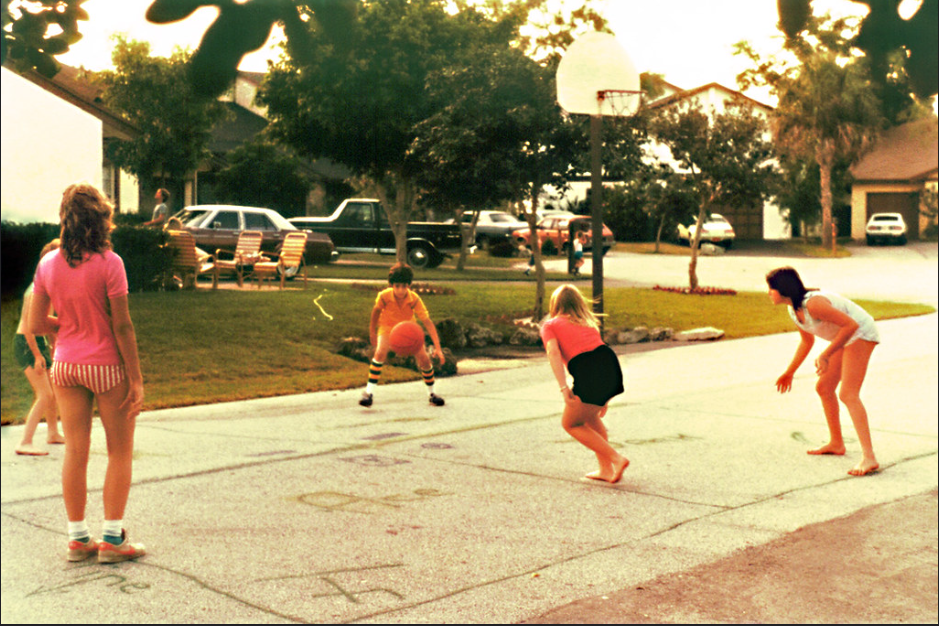
Many Gen Xers and older Millennials remember summer nights filled with freedom. Parents sent their kids outside with the expectation that they’d come back when the streetlights flickered on. No phones, no check-ins, just trust. The neighborhood was your playground, and every front porch was a watchtower.
Today’s parenting culture leans toward constant supervision. Strangers, traffic, and digital distractions have made many parents cautious. Even letting your child walk alone to a nearby park can draw side-eyes—or worse, involve authorities. While independence is still valued, the way we give it has definitely changed.
8. Sending Kids to School with Cold Symptoms
If you had a sniffle or a slight cough back in the day, your parents probably handed you a tissue and told you to tough it out. Perfect attendance was a badge of honor, and unless you were running a fever or contagious with chickenpox, you went to school.
Nowadays, health protocols are far more conservative. Especially after the COVID-19 pandemic, parents and schools have become hyper-aware of shared germs. Sending a child to school with any symptoms, however mild, is often discouraged. What was once considered resilience now feels like a public health risk.
9. Letting Babies Sleep on Their Stomachs
Until the 1990s, placing babies on their stomachs to sleep was widely recommended. Pediatricians even believed it helped prevent choking. It was the norm for decades, and many parents swore by it. Nursery advice didn’t raise eyebrows—it reinforced them.
That all changed with the Back to Sleep campaign. Research revealed that stomach sleeping increased the risk of SIDS (sudden infant death syndrome). Today, babies are advised to sleep on their backs, on firm surfaces, with no blankets or bumpers. It’s a dramatic shift from what previous generations thought was safest.
10. Using Walkers for Baby Mobility
Once seen as a must-have baby gear item, infant walkers were everywhere in the 80s and 90s. Parents believed they helped babies learn to walk faster, and it gave moms and dads a breather while their little one zipped around the house.
But modern pediatric research has shown that walkers actually delay walking and increase the risk of injury. Many babies tipped over, fell down stairs, or bumped into dangerous furniture. Canada banned walkers in 2004, and the American Academy of Pediatrics strongly discourages their use today. Something once marketed as progress turned out to be a risky shortcut.
11. Shaming Kids Publicly as a Teaching Tool
From having a child stand in the corner at family events to making them wear a sign stating their misdeed, public shaming was sometimes considered a powerful way to teach kids right from wrong. The phrase “learned their lesson” often meant being embarrassed enough not to repeat it.
Now, most psychologists argue that shaming can damage self-esteem and create long-term emotional wounds. The shift toward gentle parenting and emotional intelligence puts empathy ahead of humiliation. Teaching right from wrong hasn’t disappeared—it just looks less like punishment and more like conversation.
12. Giving Kids Unlimited TV Time
Saturday morning cartoons? All-day Nickelodeon binges? Back then, screen time wasn’t a concern. As long as homework was done, many kids had free reign over the television remote. It was a reward, a babysitter, and a background noise all in one.
Now, screen time guidelines from pediatric groups emphasize balance. Too much passive viewing is linked to behavioral and developmental concerns. With tablets, phones, and streaming, managing screen time is more complicated than ever. What once felt harmless now requires timers, apps, and family media plans.
13. Feeding Kids Whatever the Family Ate Spice and All
Once upon a time, there was no “kid menu” at home. If dinner was meatloaf and Brussels sprouts, that’s what you ate. No exceptions. Spicy food? Chewy meat? Adult flavors? Tough luck. You learned to like it—or went to bed a little hungry.
Today, many parents cater to picky eaters with separate meals, bland options, and endless substitutions. While there’s more sensitivity to allergies and sensory issues now, the idea of one meal for all has quietly faded. It’s a sign of changing expectations and the desire to avoid food battles, but it also says something about how much parenting now bends toward customization.
14. Expecting Kids to Be Seen and Not Heard
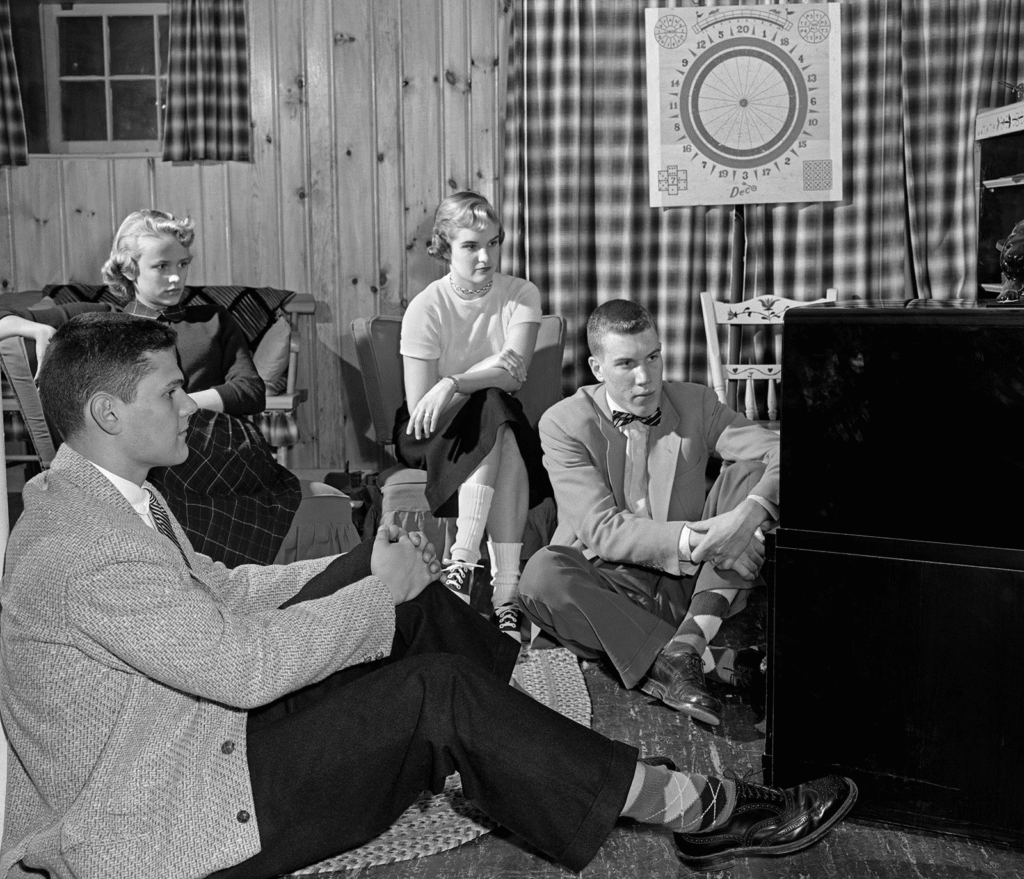
It was a common phrase in the mid-20th century: children should be seen and not heard. That mindset ruled living rooms, restaurants, and holiday dinners. Kids learned to sit quietly, speak when spoken to, and never interrupt adult conversation. Politeness was prized over expression.
Today’s parenting focuses more on validating children’s voices. Kids are encouraged to share thoughts, feelings, and ideas. While manners are still important, modern families often prioritize emotional openness over strict obedience. The old-school rule of silence may have produced quiet kids—but it sometimes silenced their confidence too.