
1. John Henry
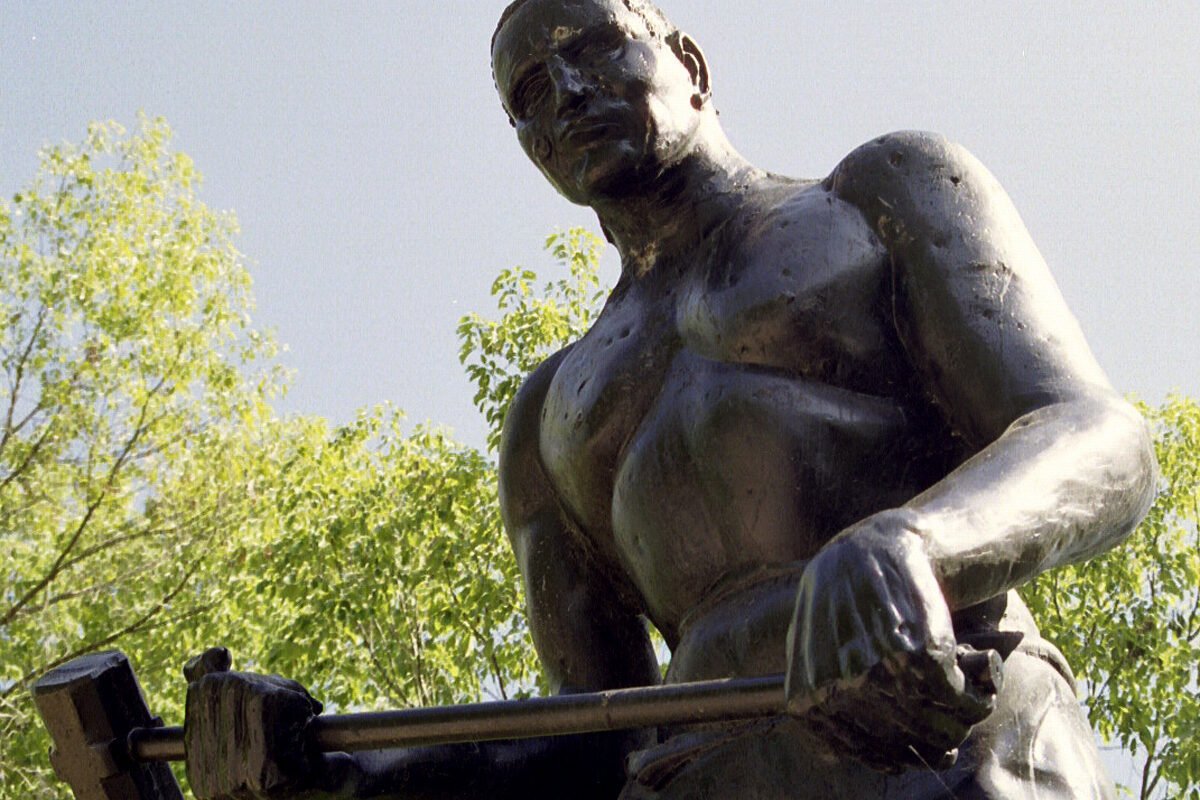
The legend of John Henry is one of raw muscle, determination, and grit. He raced a steam drill through solid rock and won, only to collapse from exhaustion. For many, he’s just a folk song. But researchers believe John Henry may have been inspired by a real man who worked the railroads during the Reconstruction era.
Scholars point to a Virginia penitentiary project in the 1870s where African American prisoners were leased to work under brutal conditions. Some believe the real John Henry was one of them, a convict laborer whose story morphed into myth over time. His tale became a symbol of strength and resistance, born from the real sweat and steel of post-Civil War America.
2. Paul Bunyan
The larger-than-life lumberjack who carved out America with a giant blue ox named Babe may seem like pure fantasy. But folklore experts trace the origins of Paul Bunyan to tales told by loggers in the 1800s, likely based on real lumbermen known for extreme strength and daring feats.
Some historians connect Bunyan to Fabian “Joe” Fournier, a French-Canadian logger in Michigan known for towering strength and colorful storytelling. Over time, his stories were exaggerated around campfires, eventually giving birth to a legend who could level forests with a single swing. Paul Bunyan became a symbol of American expansion and strength, rooted in real people who lived wild and rough.
3. Pecos Bill
Pecos Bill supposedly rode tornadoes, lassoed rivers, and raised coyotes like house pets. While these feats are pure fiction, historians believe his legend may have roots in actual cowboys from the American West. His outlandish tales emerged in the early 1900s and were likely inspired by tall tales that real cowhands used to pass time.
Folklorists suggest Pecos Bill was a composite character, a blend of real-life frontiersmen whose stories grew bigger with each retelling. He wasn’t just a cowboy, he was a symbol of the wild, untamed West—a mythical figure born from long cattle drives and nights by the fire.
4. Johnny Appleseed
Unlike most folklore figures, Johnny Appleseed was a real person named John Chapman. He traveled across Ohio, Pennsylvania, and Indiana in the early 1800s, planting apple nurseries and preaching a blend of Christianity and nature-based living. He became famous during his lifetime, known for his bare feet, tin pot hat, and kindness to animals.
However, the myth often skips over the practical reason for his work. He didn’t plant eating apples, but bitter ones used for hard cider, a frontier staple. His story was sweetened over time, especially for schoolchildren. But at the heart of the myth was a very real man who valued trees, simplicity, and a different kind of wealth.
5. Davy Crockett
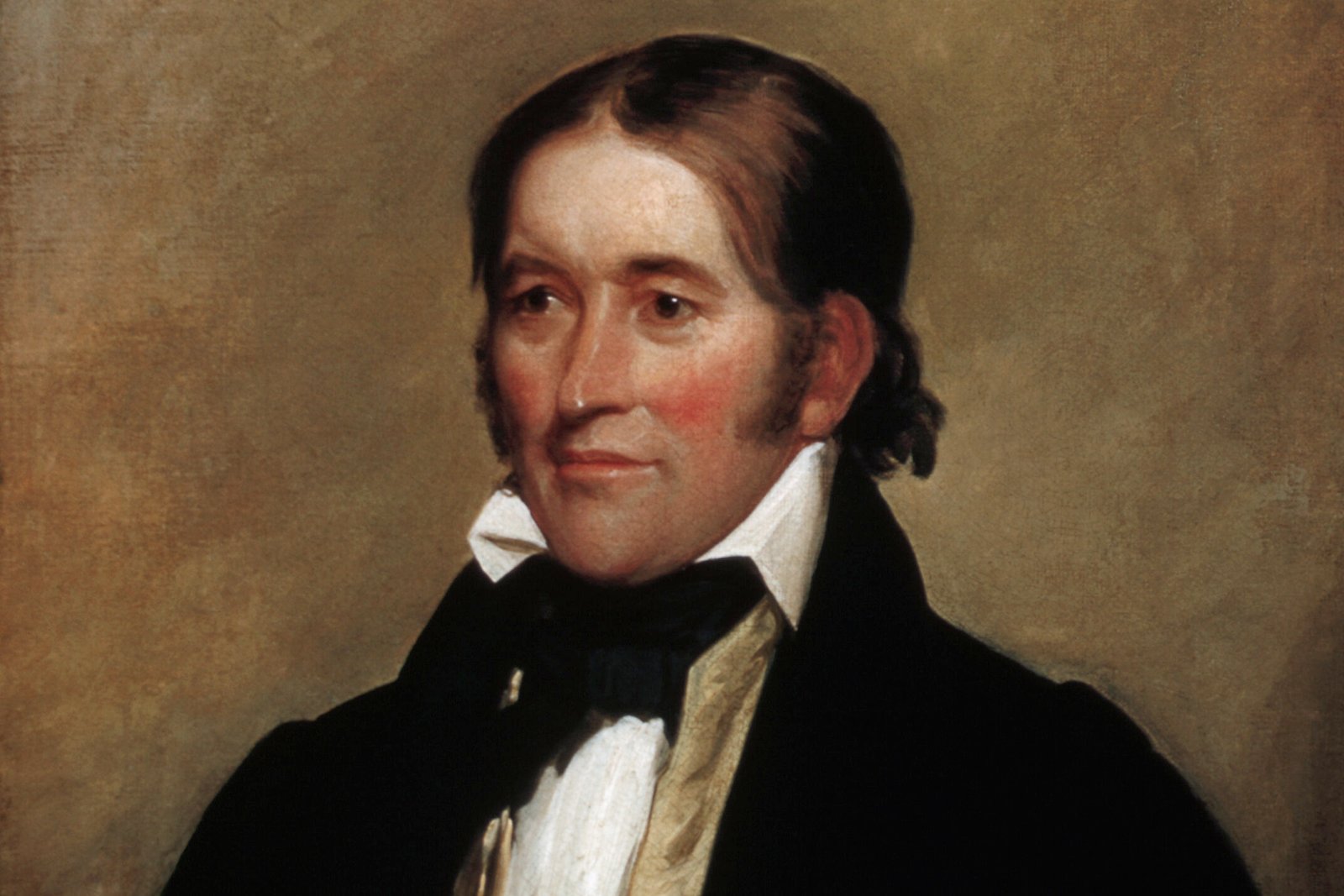
Davy Crockett’s legend paints him as a coonskin cap-wearing, bear-fighting wilderness hero who died in a blaze of glory at the Alamo. While he was very real and politically active as a U.S. Congressman from Tennessee, much of what we “know” about him was exaggerated in books and plays written during and after his life.
The real Crockett was a frontiersman and storyteller who helped shape his own myth. He played up his rough-and-tumble image to win political support. After his death, dime novels turned him into a superhero of the American frontier, making it difficult to tell where the man ended and the myth began.
6. Annie Christmas
In the steamboat tales of New Orleans, Annie Christmas was a towering keelboat captain known for her strength, sharp tongue, and pearl necklace made from the teeth of men she defeated in fights. She was said to be over seven feet tall and strong enough to toss grown men into the Mississippi like skipping stones.
While her exact origin is murky, many historians believe Annie Christmas was inspired by real African American women who worked along the docks and waterways in the 1800s. These women often labored in harsh conditions and had reputations for toughness and resilience. Annie’s legend likely grew from a mix of admiration and storytelling, turning a real cultural figure into a near-mythic symbol of unshakable Black womanhood on the American frontier.
7. Slue-Foot Sue
Slue-Foot Sue was the cowgirl who fell for Pecos Bill and famously bounced to the moon after riding a giant catfish in her hoop skirt. Her story is one of whimsy, but it also hints at deeper truths about the untold stories of women in Western folklore.
Folklorists believe Slue-Foot Sue represents a folk invention meant to match the outlandish masculinity of Pecos Bill. However, some researchers say she could be based on real women performers in Wild West shows or daredevil rodeo queens who often went unrecognized in history. The myth gave her flair and tragedy, but the real-life roots were women who dared to be bold, tough, and unforgettable in a male-dominated world.
8. Mike Fink
Mike Fink is the self-proclaimed “king of the keelboatmen,” a brawler, sharpshooter, and drinker who once allegedly shot the heel off a man’s boot just for fun. He was known for fistfights and daring feats along the Ohio and Mississippi Rivers, where river workers spun yarns to kill time and boost morale.
Historians widely agree that Mike Fink was real, though his life became more fiction than fact. Born in the late 1700s, he was a keelboatman who served as a scout and frontiersman. The tall tales about him reflect how working-class river men built their own heroes, blending fact with flair to cope with danger and hardship on the waterways. His legend is a tribute to blue-collar bravado, rooted in hard river labor.
9. Old Stormalong
Old Stormalong was a sailor so huge he needed a ship three miles long and so powerful he battled sea monsters and drank entire barrels of rum in one gulp. He was said to have fought hurricanes with his bare hands and scrubbed barnacles off his hull by dragging it along the English Channel.
Though clearly exaggerated, historians believe tales of Stormalong were built from the lives of New England sailors in the 1800s. Sea shanties often celebrated these larger-than-life figures to make sense of the brutal life at sea. Old Stormalong may not have existed as one man, but his stories represent a composite of the fearless mariners who sailed tall ships and braved dangerous oceans in search of fortune or freedom.
10. Molly Pitcher
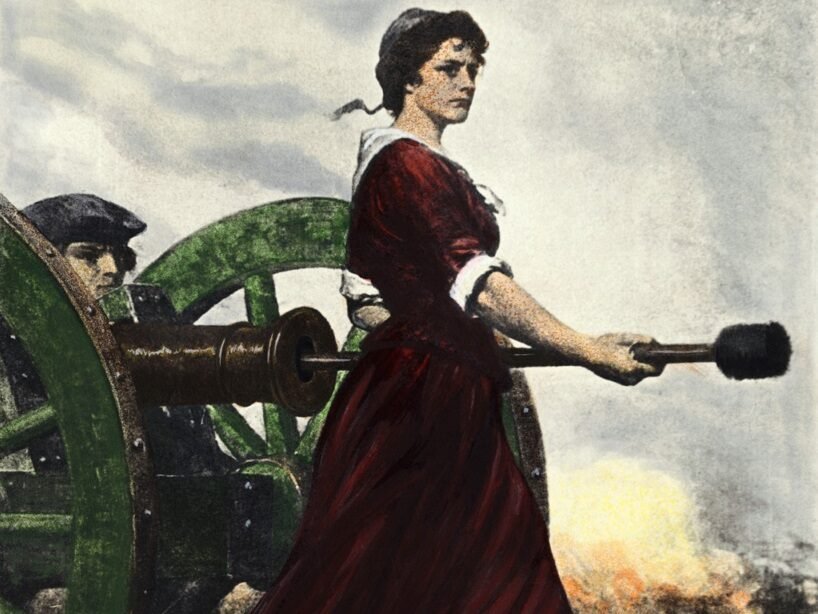
Molly Pitcher is often remembered as the Revolutionary War heroine who carried water to soldiers and took over a cannon after her husband collapsed in battle. Schoolbooks have long praised her bravery, placing her alongside male patriots. But historians have questioned whether she was a single person or a stand-in for many brave women who served quietly during wartime.
Records show that Mary Ludwig Hays, who fought at the Battle of Monmouth, fits many details of the Molly Pitcher story. Yet, there were likely several women who performed similar roles, from battlefield nursing to carrying ammunition. Molly Pitcher has become a symbol more than a name, honoring the overlooked courage of American women in wartime.