
1. Stanley No. 1 Bench Plane

Tiny but mighty, the Stanley No. 1 bench plane is a favorite among serious collectors. Produced in limited quantities in the late 1800s, its compact size and excellent craftsmanship make it a rare gem. While many were lost to time or heavy use, those still in mint condition, especially with original parts, can fetch between $1,500 and $3,000. Its value has steadily risen as more tool enthusiasts look to preserve early American craftsmanship.
What makes it so desirable isn’t just scarcity, it’s the story it tells. This tool symbolizes precision, legacy, and the kind of manual skill rarely seen today. Woodworkers appreciate its delicate control, while collectors prize it for its historical significance. A Stanley No. 1 found at a flea market or garage sale could easily outperform the most high-tech tools today in terms of both value and charm. It’s a nostalgic masterpiece worth every penny.
2. Norris A1 Smoothing Plane
Crafted in early 20th-century England, the Norris A1 smoothing plane is often compared to a fine watch, engineered for precision and built to last. Collectors and woodworkers alike covet it for its smooth finish, infill design, and brass adjusters. These planes regularly sell for $1,000 or more, especially when they come with original parts and minimal wear. They were designed for fine cabinet work, and their performance still holds up today.
The infill design gives it a balanced weight and a silky glide over wood, making it one of the most respected hand planes ever produced. It’s not just a tool, it’s a piece of British manufacturing history. Enthusiasts search auctions and estate sales hoping to snag one. If found in good condition, the Norris A1 doesn’t just add class to your tool collection, it adds serious value and professional credibility too.
3. Stanley No. 444 Dovetail Plane
Made for a short period in the early 1900s, the Stanley No. 444 is a specialized tool that helps cut perfect dovetails. Its brief production run and unusual function make it highly collectible. A clean example with the original box and paperwork can bring in $2,000 to $4,000 today. Many collectors consider it a crown jewel. Few tools combine form, function, and rarity like this one does.
It’s not just a niche woodworking accessory, it’s a mechanical marvel. The No. 444 was ahead of its time and still outperforms modern jigs in skilled hands. While rare, its value keeps increasing due to growing demand from collectors and tool historians. If you ever find one with clean blades and a complete fence set, consider yourself lucky. This is one of those tools that turns old toolboxes into treasure chests overnight.
4. Millers Falls No. 42 Acme Saw
Millers Falls made some of the finest hand tools in the early 1900s, and the No. 42 Acme Saw stands out for both design and durability. Unlike ordinary saws, this one features patented mechanisms and finely tapered teeth for superior performance. In great condition, it can sell for upwards of $300. Even moderately worn models still command respect and cash on vintage tool marketplaces and forums.
What makes it unique is its feel in the hand and its rarity in the wild. These saws weren’t produced in massive numbers, and few remain usable today. Collectors love its aesthetic and woodworkers admire its performance. With original etchings and handles intact, it’s the type of tool that reminds us how industrial design and practical craftsmanship once walked side by side. It’s a cut above, literally and financially.
5. Goodell-Pratt Eggbeater Drill
If you stumble upon a Goodell-Pratt hand drill with polished wooden handles and a smooth gear action, don’t dismiss it. Known as an “eggbeater drill,” this early 1900s tool was built for accuracy and endurance. Well-kept models now sell for $150 to $800, depending on condition and completeness. Enthusiasts value them for both nostalgia and practical use in delicate woodworking or restoration tasks.
Its design, lightweight, portable, and precise, continues to impress even in today’s world of battery-powered gear. Collectors especially look for sets with original bits and packaging. The fact that it’s still usable speaks volumes about its engineering. For anyone who values quiet, muscle-powered tools, the Goodell-Pratt is both a charming collectible and a functional throwback. It proves some old-school tools aren’t obsolete, they’re just waiting for the right hands.
6. Norris Jointer Plane
The Norris Jointer Plane was the powerhouse of British woodworking shops in the early 1900s. This hefty tool, often weighing in over 7 pounds, was built for precision edge work. Collectors love the solid dovetailed steel body and ebony infill, often accompanied by beautiful patina. If you find one in excellent shape, expect values anywhere from $1,500 to $3,500, especially for models with original components and functional adjusters.
What sets it apart is the pure balance of beauty and brute strength. It was designed to last a lifetime, and clearly has. Its smooth gliding motion and heavy body make it one of the most accurate jointers ever made. Tool collectors and cabinetmakers treasure these for both their historical weight and flawless design. It’s not just an antique, it’s a workhorse wrapped in craftsmanship, and it’s worth every cent.
7. Disston Pre-1900 Back Saw
Long before power tools dominated workshops, Disston’s back saws were essential to precise joinery. The pre-1900 models, recognizable by their ornate applewood handles, brass medallions, and elegant backs, are now vintage gold. Depending on condition and age, these saws fetch anywhere from $400 to well over $1,000. The more elaborate and intact the detailing, the more a collector is willing to pay at auction or private sale.
Woodworkers revere them for their balance and bite, cutting smoother than many modern brands even a century later. The early craftsmanship speaks for itself, combining aesthetics with long-term utility. Those who find one in good condition know they’re holding a piece of American manufacturing history. Whether hanging on a collector’s wall or still in use, this tool proves that classic design and practical function never go out of style.
8. Winchester Branded Tools
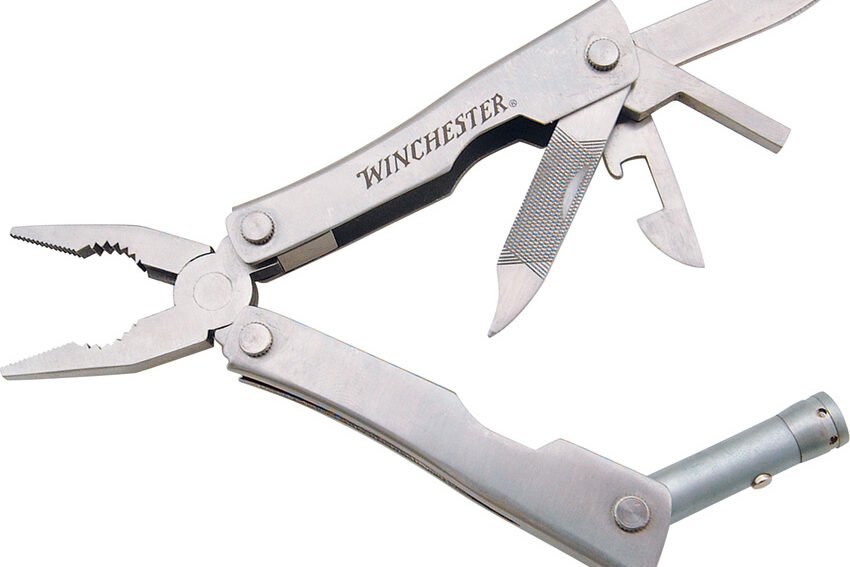
In the 1920s, Winchester wasn’t just making rifles, they were stamping their iconic logo onto a line of hand tools. That branding alone has made Winchester tools incredibly collectible today. From hammers to screwdrivers, even basic tools can now fetch $300 to $800, and more rare finds can soar past that depending on their condition and original packaging. They’re a cross-collectible item, appealing to both tool and firearm enthusiasts.
Collectors go wild for anything marked “Winchester” because of the name’s legendary status and short production window. Many tools were high quality, manufactured by respected firms and rebranded for Winchester. The crossover appeal gives them a special niche in the vintage market. If you find one at a yard sale or in grandpa’s toolbox, don’t hesitate. These tools have historic heft and surprising resale value.
9. Atkins Perfection Saw
Often overlooked in favor of Disston, Atkins was a premium American saw brand from the 1800s through mid-1900s. The Perfection series, known for its etched blades and ornate wooden handles, is now highly collectible. Mint or gently used models have sold for $400 to $1,000 depending on how well the etching and handle design are preserved. These aren’t just tools, they’re functional artwork from a bygone era.
Collectors love their combination of beauty and edge-holding performance. The Perfection series has that hand-crafted, almost romantic feel of early American tools. Unlike many other brands, Atkins saws were often customized with customer initials or engravings, giving them added personal value. That uniqueness makes them even more desirable to serious collectors. If you spot one in an antique shop, you could be looking at an investment-grade classic.
10. Winchester Hand Plane or Screwdriver
Believe it or not, even a humble Winchester-branded screwdriver could be worth a surprising amount today. Collectors regularly pay $300 to $800 for tools like hand planes and screwdrivers, especially if they come in sets or are in near-mint condition. Since the tool line was discontinued in the 1930s, availability is limited, which continues to drive up market demand.
What makes it special is the crossover of brand loyalty and rarity. These weren’t just mass-market knockoffs, they were high-quality tools rebranded by a trusted American icon. A Winchester hand plane doesn’t just function like a classic, it carries the allure of one of the most legendary names in U.S. history. If you’re lucky enough to find one, don’t stash it in a drawer. Put it on display or up for bid.
11. Spiers & Sons Infill Plane
Made in 19th-century Scotland, Spiers & Sons planes are some of the earliest examples of infill planes. With rosewood or ebony cores set in steel bodies, these tools were created with both beauty and precision in mind. Clean examples start at $200, but rarer or customized versions can sell for over $1,000, especially those marked by Thomas Spiers himself. They’re a must-have for British tool collectors and serious woodworkers.
Their value goes beyond just rarity. They’re a testament to the golden age of handmade tools. Each one was produced with care, built to glide smoothly over timber for flawless finishes. That level of craftsmanship is hard to match today. If you stumble across one with a crisp maker’s stamp and minimal rust, don’t hesitate. It’s more than a relic. It’s a legacy of British engineering wrapped in steel and polish.
12. Lindley & Morse Shipbuilder’s Adze
Once vital in shaping wooden hulls, the Lindley & Morse shipbuilder’s adze is now a sought-after piece of maritime history. Hand-forged with a curved blade and hardwood handle, these rugged tools were built to endure harsh conditions. Today, collectors pay $200 or more for a clean, well-balanced adze, especially one stamped with the Lindley & Morse name or showing clear evidence of hand-forged work.
Beyond the price tag, this tool tells the story of American shipyards. Gritty, manual, and deeply skilled, these adzes were essential to crafting entire schooners and fishing boats before mechanized tools took over. Their value lies not just in age, but in function and history. For tool collectors and maritime buffs alike, it’s a piece that bridges utility and nostalgia. If it still has its original handle, even better. It’s worth hanging onto.
13. Antique Brass Calipers and Folding Rules
Before laser levels and digital tape measures, builders and machinists used brass calipers and folding rules. Made by trusted brands like Stanley and Lufkin, these pre-1900 tools were both precise and elegant. Collectors today prize complete, engraved examples with rich patina, often paying $300 to $700 depending on condition and brand rarity. If you find one with original markings, you’re looking at more than just scrap metal.
These tools weren’t mass-produced throwaways. They were heirlooms. They feel sturdy in your hand, aged with time, but still precise in function. Many were passed from parent to child, each measurement etched with history. Even if you don’t use them, they make for stunning collectibles or conversation pieces. They’re proof that simple tools, when made well, never truly go out of style. They just become more valuable with time.
14. Wilton Bullet Vise (2-Inch)
You wouldn’t think an old vise could be worth a small fortune, but the 2-inch Wilton Bullet Vise proves otherwise. Known for its rounded bullet shape and bombproof durability, early models from the 1940s to 1960s can sell for over $1,500 once restored. Even rusted ones picked up for $50 at a swap meet have been flipped for hundreds after cleanup. It’s the ultimate fixer-upper for tool lovers.
These vises aren’t just functional. They’re industrial art. Made in the USA with cast iron bodies and precision slideways, they clamp like a dream. Tool collectors and mechanics often keep them as pride pieces on their benches. The older the serial number, the higher the potential value. If you spot one hidden in a dusty workshop or garage, grab it. It might be the strongest and smartest investment in your toolbox.
15. Russell Jennings Auger Bit Sets
Before cordless drills, there were auger bits, and Russell Jennings made the best. These bits were prized for their balance, sharpness, and reliable spiral design. When found in full wooden boxes with brass latches and company markings, they regularly sell for $200 to $300. The older the set and the cleaner the bits, the more collectors are willing to shell out for the nostalgia and the craftsmanship.
What makes them so appealing is their mechanical purity. They represent an era when drilling meant muscle and skill, not buttons and batteries. A full Russell Jennings set isn’t just functional, it’s beautiful. Whether you display it or put it to work in fine woodworking, it offers both utility and story. If you come across a complete box in decent condition, it’s one vintage purchase you won’t regret.
16. Stanley Bedrock Planes (No. 605 and Others)
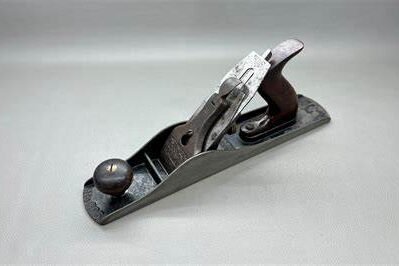
Stanley Bedrocks weren’t your average bench planes. Built like tanks and precision-tuned for serious woodworkers, they’ve become high-value collectibles. The No. 605 model, in particular, is favored for its balance and adjustability. Depending on condition and type, these can fetch $250 to $600 or more. Rare type variants with corrugated soles or early patent dates go for even more among collectors and restoration pros.
Their cult following comes from performance and history combined. These tools were made for professionals, contractors, cabinetmakers, and joiners who demanded perfection. A clean, early Bedrock is not just a good investment. It’s still a dream to use. With a little oil and sharpening, it can rival any modern plane on the market. If you’re into woodworking or vintage tools, a Bedrock isn’t just a tool. It’s the holy grail.