
1. Michael J. Fox on Family Ties
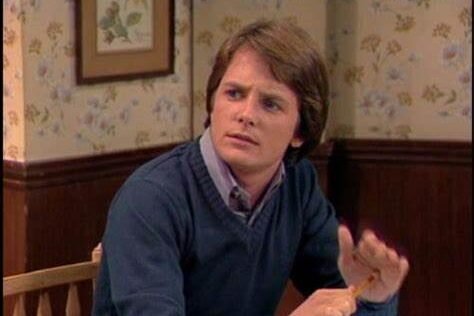
Michael J. Fox, already beloved as Alex P. Keaton, took meta to the next level by appearing as a version of himself in a charity-themed episode. It blurred the line between actor and character and played right into the clever humor that made Family Ties a hit. Seeing a real-world star interact with the world he’d made famous gave fans an unforgettable jolt of pop culture magic.
Critics say moments like this deepened viewer connection. Fox wasn’t just a character; he was a cultural moment. It reinforced Family Ties as more than just a sitcom. It was now part of the national conversation. As one of the biggest teen stars of the ’80s, Fox’s dual presence showed how much the lines between Hollywood and prime-time television were starting to blur.
2. Boy George on the A-Team
Boy George shook things up in a 1986 episode titled “Cowboy George,” where he played himself and totally stole the spotlight. Instead of performing at a concert, he was mistakenly booked at a tough biker bar. That mismatch made for great TV, blending his flamboyant pop style with the A-Team’s rough-and-ready vibe. He even helped foil a crime in full glam get-up.
This cameo turned heads and showed how network TV could deliver crossover chaos with a sense of fun. Entertainment experts say it was one of those rare moments when real-life star power added something totally unexpected. George brought musical magic and cultural commentary into a world of exploding jeeps and catchphrases. It remains one of the most offbeat and oddly perfect celebrity appearances of the decade.
3. Phil Collins on Miami Vice
In the 1985 episode “Phil the Shill,” music legend Phil Collins dove into Miami’s neon-lit chaos as a sleazy game show host who was a fictionalized version of himself. It wasn’t just a gimmick. He became part of a con gone wrong, wrapped in the show’s signature style of fast cars, synth music, and moody stares. Collins even contributed music to the episode, which blurred the line between fiction and MTV.
Critics and fans agree this wasn’t just a cameo. It was an early blueprint for the music-video-sitcom hybrid. Collins’ appearance helped elevate Miami Vice into an artistic showcase for musical integration. It gave the series a cultural boost while reminding viewers that fame could be slippery and unpredictable. Having a real rockstar go rogue in Miami’s underworld made for unforgettable television.
4. Andy Gibb on Punky Brewster
Pop heartthrob Andy Gibb charmed his way into Punky Brewster in 1984 as a dreamy piano teacher who was essentially playing himself. In the episode, he helps Punky navigate music lessons with his signature smile and gentle personality. For viewers, it was more than just a guest spot. It was seeing a teen idol step into their Saturday morning routine and make it feel magical.
Entertainment insiders noted the brilliance of casting someone like Gibb, who was battling personal struggles at the time. His presence on a wholesome kids’ show added warmth and redemption. For Punky’s young fans, it was an aspirational moment. For adults, it offered a soft nod to nostalgia and the star’s musical legacy. The episode became sweeter and even a bit more poignant in hindsight.
5. Frank Zappa on Miami Vice
Avant-garde rock icon Frank Zappa guest-starred in the 1986 Miami Vice episode “Payback,” portraying drug dealer Mario Fuente. He played a dark and slick criminal who oozed menace. While it wasn’t a direct “Frank as Frank” cameo, his casting was clearly a nod to his edgy reputation and cult-like fan following. Seeing Zappa go full villain was a surprising twist that added weight to the show’s gritty tone.
Critics loved the tension it created. Zappa’s eccentric personality brought a surreal vibe to the already moody world of Vice. For fans, it was a satisfying collision of counterculture and mainstream crime drama. His deadpan delivery and unmistakable look made him unforgettable, even if he wasn’t officially playing himself. It was the kind of role that made viewers wonder where the music ended and the danger began.
6. Sheena Easton on Miami Vice
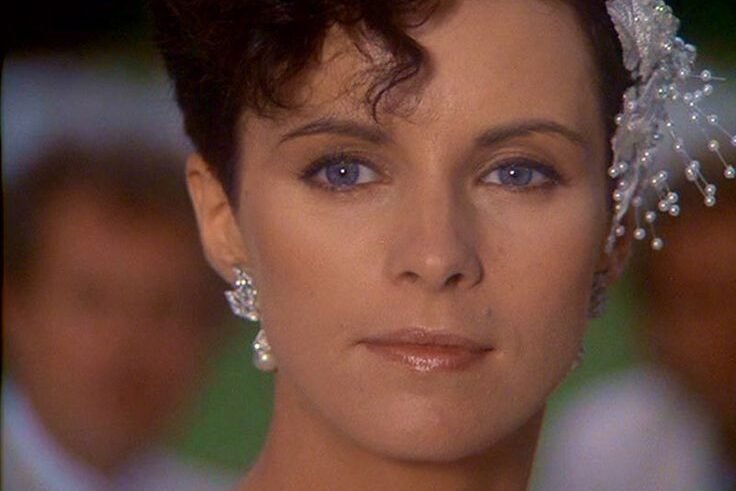
In one of Miami Vice’s most emotionally complex arcs, Sheena Easton appeared in multiple episodes as singer Caitlin Davies. Though fictional, the role was very much based on her real-life career. Her character falls in love with Crockett, leading to a storyline packed with romance, danger, and even marriage. It was more than a cameo. It was a spotlight role that changed the show’s tone.
Her presence added something rare: vulnerability. While many celebrity cameos leaned on novelty or humor, Easton’s arc brought genuine emotion. She played a woman torn between fame and personal safety, and fans saw her as more than just a chart-topper. Her role proved that a musician could carry emotional weight in a dramatic arc. It helped reshape how TV dramas used musicians in guest roles.
7. Ted Nugent on Miami Vice
In 1986, rock guitarist Ted Nugent burst into Miami Vice with full intensity, playing a bounty hunter with a wild streak. Though his character had a different name, everything from his hair to his high-octane attitude screamed Nugent. He brought outlaw energy that felt just right for the world of Crockett and Tubbs.
His appearance blended real-life persona with fiction and gave the episode a fresh dose of grit. Even without explicitly playing himself, Nugent’s energy made him instantly recognizable. For longtime fans, this role stood out as a perfect example of how musicians could inject new life into dramatic TV, and it cemented Vice’s reputation for being cool, unpredictable, and always ready to throw a wild card into the mix.
8. Moon Unit Zappa on CHiPs
Moon Unit Zappa, famous for her Valley Girl persona, made an appearance on CHiPs in 1982 that captured the early ’80s teen culture perfectly. She played a young hitchhiker who used slang and charm to distract from her wallet-stealing ways. It was quirky, funny, and unmistakably of the era.
Her real-life popularity helped the character hit with younger viewers who recognized the slang from her hit novelty record. For parents watching, it was a tongue-in-cheek look at youth culture. Zappa didn’t just parody the Valley Girl image; she embodied it with self-awareness. It felt authentic, silly, and surprisingly sharp for a lighthearted cop show.
9. Linda Ronstadt on Taxi
Linda Ronstadt appeared as herself in a memorable 1981 Taxi episode where Alex Rieger found himself romantically involved with the famous singer. His surprise and insecurity gave the story a heartfelt tension, while Ronstadt played it with grace and charm that made the pairing believable.
The episode wasn’t about big laughs or crazy twists. It was a grounded, human story about what happens when an ordinary guy stumbles into something extraordinary. Ronstadt’s cameo worked because it didn’t rely on flash. It was simple and sweet and gave viewers a rare romantic turn for the normally guarded Alex. For fans of both Taxi and Ronstadt, it remains a quietly powerful moment in sitcom history.
10. Gary Coleman on The Fresh Prince of Bel-Air
Best known for Diff’rent Strokes, Gary Coleman later showed up in sitcoms like The Fresh Prince of Bel-Air as a self-aware version of himself. In one episode, he poked fun at his child-star fame and classic catchphrases, including the iconic “Whatchu talkin’ ’bout?” line.
Even though the episode aired in the early ’90s, it echoed Coleman’s massive popularity during the ’80s. These guest roles let him reconnect with audiences in a way that felt reflective and playful. He showed a knack for leaning into his legacy without taking himself too seriously. For fans, seeing Coleman in on the joke was both funny and bittersweet.
11. Adam West on Laverne & Shirley
Adam West, best known for his role as Batman, appeared on Laverne & Shirley in the early ’80s playing a satirical version of himself. He swept Laverne off her feet, leaning into the full camp and charm of his post-superhero image.
West’s performance was warm and slightly over-the-top in the best way. He wasn’t afraid to poke fun at his legacy, and audiences loved him for it. This early self-aware cameo set the tone for many of his later roles, including Family Guy. For viewers, it was like getting a love letter from their childhood television hero, dressed up in laughs and nostalgia.
12. George Wendt on Seinfeld
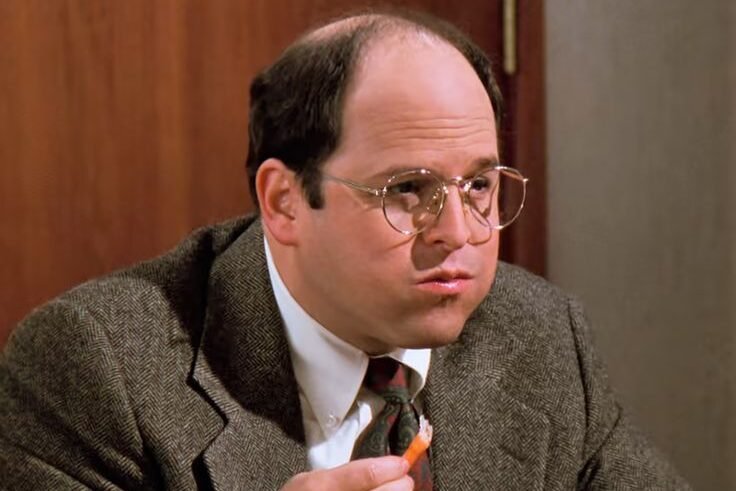
George Wendt, known as Norm from Cheers, made a blink-and-you’ll-miss-it cameo in Seinfeld, as himself. He was seated at the diner counter, channeling that same “Norm” energy without a single line. For viewers, it was an unmistakable crossover moment between two sitcom worlds.
The unspoken nod worked because it respected both shows’ tones. Wendt didn’t need to say anything. His face said it all. The cameo created a fun buzz among viewers who noticed and appreciated the subtlety. It was one of those rare TV Easter eggs that fans still talk about decades later.