
1. Thailand: Songkran’s Purification Water Rituals
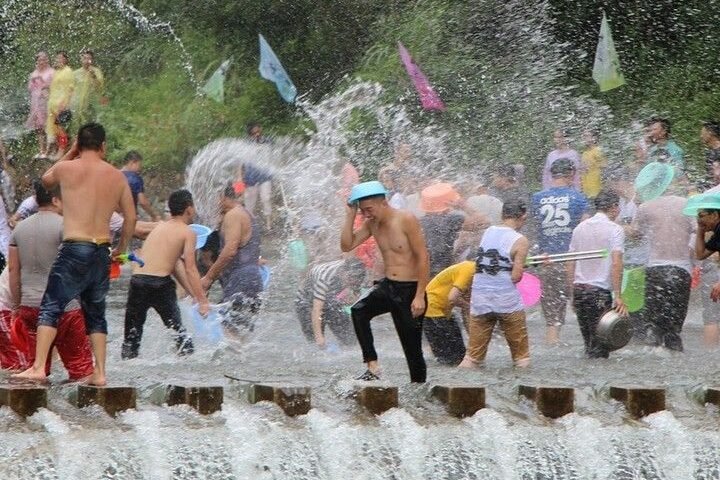
Thailand celebrates its traditional New Year, Songkran, in April, not January, and it’s centered entirely around water. Across the country, locals and tourists turn streets into joyful battlefields armed with water guns and buckets. But this isn’t just fun and games. The water is symbolic. It’s meant to wash away bad luck and misfortune from the past year and offer a fresh spiritual beginning.
At temples, people gently pour water over Buddha statues and the hands of elders to show respect. The festival lasts for three days and includes merit-making, family visits, and community blessings. Cities like Chiang Mai host large-scale processions where ancient customs and modern fun collide. Songkran is more than a party. It’s a heartfelt ritual of renewal that balances spiritual reverence with vibrant celebration.
2. Scotland: Stonehaven Hogmanay Fireball Parade
In the coastal town of Stonehaven, Scotland, fire takes center stage every New Year’s Eve during the Hogmanay Fireball Parade. Just before midnight, locals dressed in traditional garb swing flaming balls of fire around their heads as they march through the streets. This ritual, believed to date back to the Vikings, is thought to burn away evil spirits and negative energy from the old year.
The celebration doesn’t stop there. After the fireballs are cast into the sea, Scots partake in “first-footing,” where the first person to enter a home after midnight brings symbolic gifts, often coal or whisky, for good luck. While other countries light fireworks, Stonehaven lights the streets with flame and folklore. It’s a powerful way to welcome a clean slate, rooted in ancient beliefs and wrapped in community spirit.
3. Japan: Joya no Kane’s 108-Bell Midnight Ceremony
In Japan, the New Year, or Shogatsu, is marked with reflection and spiritual clarity rather than loud celebrations. On New Year’s Eve, Buddhist temples across the country ring their massive bells 108 times in a ceremony called Joya no Kane. Each bell ring represents one of the 108 earthly desires believed to cause human suffering, which are symbolically cleansed before the year begins.
Rather than parties, many Japanese families visit temples to pray, write their resolutions on wooden plaques, or quietly eat traditional dishes like soba noodles. The atmosphere is calm and filled with intention. This quiet, sacred tradition allows people to begin the year unburdened and focused. In a world full of noise, Joya no Kane reminds us that silence and inner peace can be the most powerful celebrations of all.
4. Ecuador: Burning “Año Viejo” Effigies at Midnight
In Ecuador, New Year’s Eve lights up with fire, not just fireworks, but full-on effigies. These figures, called Año Viejo (Old Year), are made from paper, wood, and clothing, often shaped like politicians, celebrities, or pop culture villains. At midnight, the effigies are set on fire to symbolically destroy the bad memories and failures of the past year.
In some towns, people jump over the burning effigies to literally leap into a better year. The ritual is emotional and cathartic, especially in communities that view fire as both cleansing and protective. It’s not just spectacle. It’s a collective purge of negativity. You can hear laughter, music, and cheers as families gather for one final goodbye to the old. The flames don’t just burn the effigies. They spark renewed hope.
5. Finland: Fortune-Telling by Melting Tin (Molybdomancy)
In Finland, the New Year arrives with a little mystery. Families gather around candles and spoons to practice molybdomancy, an old tradition of melting tin (or nowadays wax or lead alternatives) and pouring it into cold water. As the blob solidifies, its shape is interpreted as a sign of what’s to come in the new year.
A ship may mean travel, a ring could hint at romance, and a broken form might suggest challenges. It’s a playful yet meaningful tradition that mixes superstition with creativity. Each year, families guess and laugh together over the melted shapes, sometimes taking the predictions seriously, sometimes not. But it always brings a moment of togetherness, a spark of imagination, and a hopeful outlook for what lies ahead.
6. South Africa: Furniture Tossing to Launch Liberation
In Johannesburg and other cities, some South Africans celebrate the New Year by dramatically throwing old furniture out of windows. It’s an extreme take on “out with the old, in with the new,” releasing the past and making room for fresh beginnings. Though local authorities discourage it for safety reasons, the act resonates with deep symbolism, shedding hardship, trauma, or emotional clutter from the year gone by.
Despite its risk, the tradition continues in a tamer form, such as dropping a single item or symbolically letting go of unwanted belongings. Families sometimes include a small ritual, like lighting a candle or saying a farewell phrase. It’s a truly emotional cleanse, a visible, cathartic moment that reflects resilience, renewal, and the desire to start the year with a clear, open space.
7. Denmark: Plate-Smashing for Friendship and Fortune

In Denmark, New Year’s Eve traditions revolve around love, luck, and loud plate smashing. Throughout the year, Danes collect old plates and dishes, then on December 31, they hurl them against friends’ doors. The idea is simple. The more fragments at your doorstep, the more good friends and good fortune you’ll have in the year to come.
It’s less destructive than it sounds since most Danes sweep up the broken bits themselves. The ritual takes place amid fireworks, cozy gatherings, and hearty meals. Families laugh as they watch each other’s doors adorned with ceramic shards of goodwill. In Denmark, disaster turns into delight. What looks like chaos becomes a charming expression of communal bond and optimism for the coming year.
8. Colombia: Suitcase Runs to Invite Travel Adventures
In Colombia, travelers and hopeful adventurers use a joyful superstition to invite wanderlust. Just before midnight on New Year’s Eve, people grab empty suitcases and dash around the block. It’s believed this playful ritual kickstarts a year full of travel, adventure, and new experiences, especially for those longing to see more of the world in the coming months.
The tradition is often accompanied by laughter and neighborhood cheers. Other symbolic customs include wearing yellow underwear for love and placing lentils in your pockets for prosperity. These simple acts create a hopeful, festive energy. While the suitcase may be empty, the intentions it carries are anything but. It’s an energetic way to set your sights high and encourage the new year to bring the journeys you’re dreaming of.
9. Greece: Onions and Pomegranates for Rebirth and Abundance
In Greece, families embrace the New Year with ancient symbols of life and abundance. On New Year’s Eve, a large onion is hung above the front door as a sign of rebirth. On New Year’s Day, parents gently tap their children on the head with it to encourage growth, wisdom, and a fresh start as they wake to a new chapter.
Another cherished ritual involves smashing a pomegranate on the doorstep at midnight. The more seeds scatter, the more luck and prosperity the family is expected to receive. These vibrant traditions, rooted in ancient Greek customs, are layered with love, intention, and belief. They combine nourishment and ritual in a way that feels deeply emotional and symbolically rich, reminding families to enter the year hopeful, healthy, and open to renewal.
10. Philippines: Round Foods and Polka Dots for Prosperity
In the Philippines, round shapes are the stars of New Year’s Eve. Families display twelve round fruits on the table, each one representing a month of wealth and good fortune. People also wear polka dots, believing that circular shapes bring prosperity, echoing coins and abundance. Everything from decor to desserts embraces this symbolic design.
As midnight strikes, the streets erupt with fireworks and joyful noise to drive away evil spirits. Children jump up and down to grow taller, and adults toss coins inside their homes for luck. It’s a colorful blend of faith, fun, and financial hope rooted in local beliefs and Catholic influence. The Filipino New Year is a warm and communal celebration that honors both tradition and the universal desire for a brighter, luckier tomorrow.
11. Spain: Fire Runs and Salt for Purification
In parts of Spain, especially Valencia and Alicante, New Year’s kicks off with “correfocs,” or fire runs. People dressed as devils run through the streets carrying fireworks and torches, creating a thrilling scene meant to burn away the bad energy of the previous year. It’s bold, dramatic, and incredibly symbolic of renewal through fire.
At home, another ritual is more subtle but meaningful. Some families sprinkle salt on dinner tables or into drinks just before midnight to protect their homes from misfortune. Together, these fiery and peaceful practices offer a powerful duality. The fire clears the path, and the salt guards it. It’s a striking way to begin the year with courage, cleansing, and protective energy from both the streets and the supper table.
12. India: Holy River Dips and Lamps of Hope
Across India, New Year traditions vary by region, but water and light often guide the way. In places like West Bengal and Maharashtra, people begin the year with a dip in a sacred river or a ritual bath at dawn. These acts of cleansing are meant to purify the soul and remove lingering negativity from the year before.
Later in the evening, families light oil lamps and float them on rivers or temple ponds, offering prayers for peace and prosperity. Some write wishes and release them with the glowing lights, creating rivers full of flickering hope. These traditions combine faith, nature, and renewal. They connect millions of people with both the divine and their personal intentions for a kinder, wiser, more spiritually fulfilling new year.
13. Russia: Noisemakers and Silent Meditation
In Russia, the New Year is loud and lively, full of fireworks, laughter, and late-night feasts. But in the quiet moments after midnight, some families pause everything. They sit in total silence for a few minutes, using the stillness to reflect, set goals, or simply acknowledge the turning of time. It’s a meditative breath after the chaos.
This quiet ritual contrasts sharply with the earlier energy and serves as a gentle emotional reset. It’s not a widespread tradition, but it resonates deeply with those who practice it. Whether whispered intentions or silent wishes, this brief moment invites clarity and calm. It allows people to enter the new year with clear minds and grateful hearts, blending celebration with quiet grounding and thoughtful reflection.
14. Uruguay: Candlelit Silence and Reflective Renewal
In Uruguay, New Year’s isn’t always a fireworks-filled affair. Some families observe it with quiet reflection, choosing to turn off electric lights after dinner and sit together by candlelight. This act of intentional darkness allows everyone to pause, reflect on the past year, and enter the new one with peaceful awareness and shared presence.
The silence is often filled with soft conversation, storytelling, or simply warm togetherness. It’s a chance to feel grateful and present before the usual festivities resume. As the lights are gradually turned back on, the return of brightness carries symbolic weight. It’s not just illumination but a conscious choice to reenter the world with clarity and hope. In a fast-moving world, this quiet ritual is a gentle, soul-nourishing way to reset.
15. Bhutan: White Shells and Prayer Flags for Peace
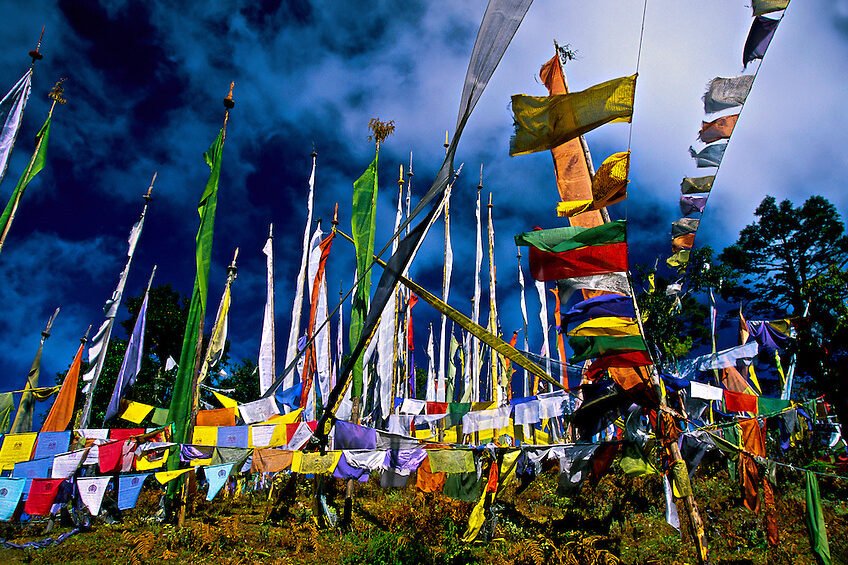
In Bhutan, where Buddhist values are central, the New Year unfolds in stillness and simplicity. Families clean their homes thoroughly, then decorate doorways with white conch shells and colorful prayer flags. These symbols represent peace, protection, and spiritual awakening, turning the home into a sacred space for fresh beginnings.
Rather than fireworks, people often attend temple ceremonies or light small butter lamps. Drums echo softly across the hills, inviting prayer and presence instead of chaos. The mood is serene, intentional, and full of emotional weight. By welcoming the year with calm instead of clamor, Bhutanese families emphasize inner growth and harmony. It’s a celebration of heart and soul over spectacle, shaped by the belief that peace is the most powerful way to begin again.