
1. Real Men Don’t Use Shampoo, They Use Tonic
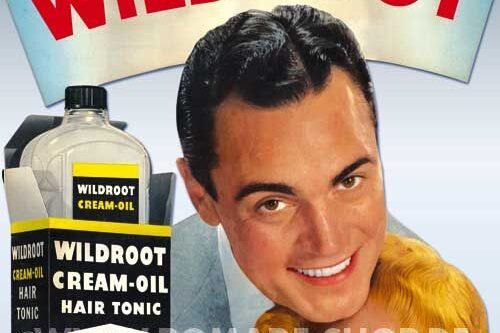
In the 1950s, men were warned against using shampoo, which was considered too gentle or even feminine. Hair tonics were the standard. These oily, alcohol-based products promised to toughen up the scalp and give a clean, “masculine” shine. The ads sold the idea that strong men didn’t lather or rinse, they slapped on tonic and got on with their day.
Brands like Vitalis and Wildroot offered these scalp stimulants as a badge of honor. They claimed to prevent dandruff and signal strength, even though many caused irritation or clogged pores. The message was clear: real men didn’t pamper themselves. They powered through grooming just like they powered through work. Today, the advice seems outdated and unscientific, but in that era, toxic grooming standards disguised as “manly maintenance” were the norm.
2. Smoking a Pipe Makes You Look Wiser
To seem thoughtful or intellectual in the 1950s, all a man had to do was light up a pipe. Advertising painted the picture of calm, wise father figures gently puffing while reflecting on life. Pipes weren’t just a smoking tool. They were props for authority, intellect, and trustworthiness. The message? If you want to be taken seriously, pick up a pipe.
Brands leaned into this image hard. Tobacco companies used scholars and patriarchs in their ads to normalize smoking under the guise of dignity. Health concerns were glossed over or ignored completely. While pipe smoking seemed less aggressive than cigarettes, it carried many of the same health risks. Still, the visual shorthand stuck. In mid-century America, a pipe wasn’t just a habit. It was a personality trait.
3. Feeling Sad? Drink a Beer and Shake It Off
1950s advertising avoided discussions about male mental health. Instead of addressing real emotions, many beer and liquor ads positioned alcohol as the solution. A long day at work? Crack open a bottle. Feeling overwhelmed? A cold drink and a quiet evening were the answer. These messages pushed the idea that real men didn’t get sad, they just drank and moved on.
This advice dismissed vulnerability and promoted alcohol as emotional armor. The men in these ads were always smiling, usually holding a drink and surrounded by family or friends. The underlying message was dangerous: suppress your feelings and drink through your problems. Over time, it contributed to harmful habits and normalized emotional detachment. In hindsight, it’s a troubling glimpse into how masculinity was shaped by avoidance and image.
4. Husbands Should Choose the Family Car
Car ads in the 1950s made it clear who was in charge of big purchases. The man. Even if the family used the car daily, marketing messages framed it as his decision. He was the breadwinner, the driver, and the one who had to think about horsepower, engine size, and curb appeal. Women, if mentioned, were seen admiring it not choosing it.
This approach turned cars into status symbols and masculinity boosters. The right vehicle projected power and success. Many ads went so far as to suggest that women couldn’t understand car features or finances. By centering the man in every family decision, the ads upheld patriarchal norms that limited female independence and voice. The car wasn’t just transportation. It was a four-wheeled metaphor for control.
5. Can’t Grow a Beard? Just Paint One On
Back in the 1950s, a patchy beard was practically a public shame. Facial hair was tied to maturity and strength, so men who couldn’t grow a full beard were often targeted with quick-fix products. These included brush-on dyes, fake sideburn enhancers, and beard-thickening powders. The ads promised a fuller, darker beard in minutes and a big boost in confidence.
These products often contained harmful dyes and chemicals, but safety wasn’t the point. The idea was to “man up” your face for dates, meetings, and public appearances. Looking too youthful or clean-cut was considered weak. The ads implied that masculinity could be painted on with the right tools. In reality, they pushed men to feel ashamed of natural differences, turning grooming into another form of insecurity.
6. Wife Trouble? Buy Her a New Vacuum
Some 1950s ads treated women like emotional appliances. If your wife was upset, you weren’t supposed to talk things through, you were supposed to buy her something shiny. And what better gift than a vacuum? Brands like Hoover and Electrolux suggested that nothing said love like a dust-busting surprise. If she’s moody, she must be bored. A new chore tool should cheer her up.
These ads framed emotional support as something transactional. Instead of listening or sharing responsibility, husbands were nudged toward retail solutions. It reinforced the idea that a woman’s role was tied to cleaning and that her happiness could be bought. This kind of advice diminished emotional labor and fed into the cycle of one-sided domestic expectations that lingered for decades.
7. Your Voice Isn’t Deep Enough? Smoke More Cigarettes
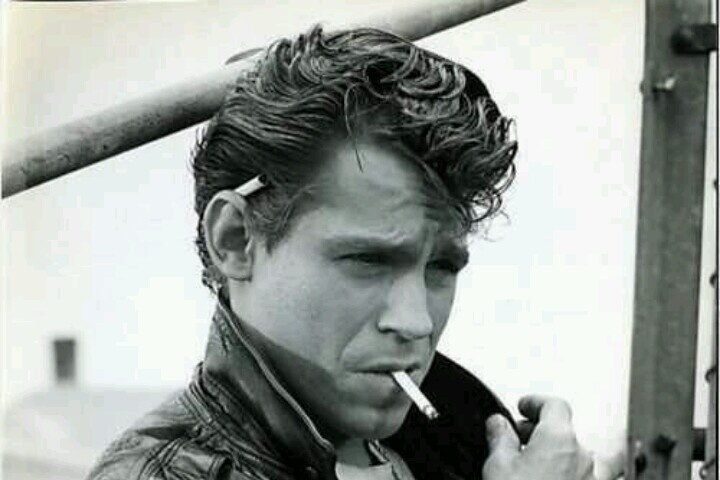
In a strange twist, some ads encouraged men to smoke to deepen their voice. Cigarette companies suggested that smoking added grit and edge, helping you sound more confident. It wasn’t just about looking cool. It was about sounding strong. Deep voices were associated with leadership, masculinity, and sexual appeal. If your voice cracked? Light up and fix it.
The idea was wildly unscientific and dangerously misleading. Long-term smoking can damage vocal cords and reduce lung capacity. But the 1950s didn’t care much for those facts. Instead, these ads played into insecurity and vanity, offering a quick fix with a steep cost. Over time, many men developed health issues while chasing a vocal ideal that never truly existed outside the glossy pages of advertising.
8. Want to Impress the Boss? Ditch Lunch and Buy a Watch
Mid-century men were told success had a look, and it often came with a shiny wristwatch. Ads pushed the idea that punctuality wasn’t just professional, it was masculine. One famous tagline urged men to skip lunch for a week to afford a nice watch. The message? Sacrifice your needs, show your ambition, and climb the ladder with a ticking status symbol.
Watches became more than timekeepers. They were visual proof of your dedication and hunger for success. These ads hinted that your boss would respect you more if your wrist said you cared. Meanwhile, practical needs like food or rest were secondary. In this culture, image was everything, and luxury items were your calling cards. Today’s hustle culture echoes some of that mentality, though with less guilt about eating.
9. Real Dads Build Toys, Not Bonds
Toy ads in the 1950s often featured dads using tools to build bikes or swing sets, while moms watched with admiration. The message was subtle but clear: a good father didn’t need to connect emotionally; he just needed to assemble something. Fatherhood, as sold in these ads, was more about doing than feeling, more about showing up with a wrench than with words.
This kind of marketing reinforced emotionally distant parenting. Men were told that bonding came through projects, not conversations. Emotional support was seen as a mother’s job. So while building a treehouse might have been fun, the deeper connection kids needed was often left out. Today, we know that active listening and affection matter, but these ads reflected a time when emotional distance was part of the masculine ideal.
10. Balding? Just Pretend You’re Not
For 1950s men, balding wasn’t a natural part of aging, it was a personal failure. Ads sold sprays, powders, and comb-over kits that promised to disguise thinning hair. One ad even marketed a toupee that could double as a “sports wig.” The pressure was immense. You weren’t just hiding hair loss. You were hiding a threat to your masculinity.
These ads treated hair as a social currency. If you had it, you were confident. If you didn’t, you better fake it fast. The message told men to obsess over appearance and fear ridicule. It also reinforced the harmful idea that aging made men less valuable. While modern culture is more accepting of baldness, these vintage ads laid the groundwork for today’s hair-loss industry and its deep emotional hooks.
11. Can’t Fix It? You’re Failing as a Man
The 1950s made one thing clear, real men could fix anything. Ads for tools, cars, and appliances guilted men into learning how to repair everything from door hinges to washing machines. If you needed help or called a repairman, you weren’t just being inefficient. You were failing your gender. Handy meant heroic. Helpless meant humiliating.
This intense pressure meant that many men felt judged by their practical skills instead of their character. The emotional cost of this expectation was rarely acknowledged. Instead, the ads leaned into shame and self-worth, built on how well you could hold a wrench. Some still carry that burden today. While being handy is great, the belief that masculinity is earned through toolboxes left a long shadow.
12. If She Talks Too Much, Get Her a Dishwasher
Some of the most shockingly sexist advice came disguised as convenience. Ads from major appliance brands suggested that giving your wife a new dishwasher might keep her from “nagging.” The implication? A man didn’t need to improve communication. He just needed to make her quieter by easing her chores. The message was dressed up in humor, but it landed painfully.
This approach reinforced the idea that women existed to serve and that emotional issues were best solved with gadgets. It also told men to deflect responsibility instead of engaging meaningfully. While these messages feel wildly offensive today, they were mainstream at the time. Their lasting impact helped normalize emotional distance and transactional relationships in marriage. It’s a reminder of how product placement once shaped cultural norms.
13. Get Married to Prove You’re a Man
In many 1950s ads, marriage wasn’t about love. It was a rite of passage into full manhood. Cigarette and cologne brands marketed themselves as ideal wedding-day gifts, while others hinted that single men were immature or irresponsible. The goal wasn’t companionship, it was status. A wedding ring meant you were stable, dependable, and finally “a real man.”
These messages pushed young men into relationships without emotional preparation. They were told to find a wife, provide for her, and call it a day. Romance, vulnerability, and communication weren’t part of the pitch. Instead, ads made manhood a checklist. And if you weren’t checking fast enough, you were falling behind. That kind of pressure set unrealistic standards and ignored the real work that relationships require.
14. Want Respect? Never Be Alone with the Kids
The ultimate sign of a 1950s provider was a man who worked hard, came home late, and avoided the chaos of parenting. Ads for everything from whiskey to radios showed exhausted dads finding peace while their wives “handled” the children. Spending time with your kids was painted as indulgent or unmanly. If you had free time, it should be spent relaxing, not bonding.
This messaging wasn’t just tone-deaf, it was damaging. It gave men a pass on emotional involvement and fed the myth that caregiving was feminine. Fathers were told their job was money, not memories. While culture has come a long way, some of those old expectations still show up today. These ads remind us just how narrow the definition of manhood used to be.
15. Don’t Show Emotions, Show Muscle
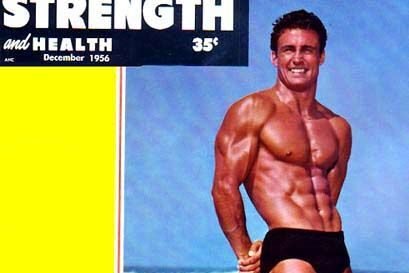
Fitness ads in the 1950s told men that emotions were a weakness and muscles were the cure. If you felt insecure, stressed, or even heartbroken, the solution was to lift weights. A stronger chest, broader shoulders, and “manlier” appearance would supposedly fix everything. These ads didn’t just sell barbells. They sold emotional repression disguised as self-improvement.
Men were praised for looking tough and punished socially for showing softness. The emotional cost was immense. Instead of seeking help or opening up, many turned to physical goals they thought would protect them. These standards taught boys early that vulnerability had no place in manhood. While fitness is healthy, these vintage campaigns show how wellness was often tangled up with fear, shame, and silence.