
1. Use Toothpaste to Zap Pimples

This was the go-to hack from nearly every teen magazine: dab toothpaste on a pimple and watch it vanish. It felt like a miracle fix, easy and cheap. But what it really did was damage the skin. The harsh chemicals meant for cleaning teeth, like menthol, baking soda, and hydrogen peroxide, were far too aggressive for delicate facial skin and often made breakouts worse.
Dermatologists now strongly discourage this trick. Instead of soothing blemishes, toothpaste can cause redness, irritation, and even burns. Today, acne treatment has moved toward skin-safe ingredients like salicylic acid and benzoyl peroxide. There are also soothing alternatives like niacinamide that treat without harming. That old toothpaste tip might’ve felt like beauty wisdom, but science proved otherwise. It’s a perfect example of how magazine shortcuts sometimes came at a cost.
2. Skip Weights to Avoid “Bulking Up”
Magazines in the ’90s and early 2000s often warned women to avoid lifting weights. The fear? Gaining muscle would somehow make them look too “manly.” This myth kept many women away from the strength training aisle, stuck in endless cardio routines that left them exhausted and unsatisfied. The truth is, women don’t bulk up the way men do due to major hormonal differences.
Today, strength training is considered essential for a healthy lifestyle. It improves metabolism, builds bone density, and strengthens joints, all without turning women into bodybuilders. Avoiding it can actually lead to long-term health issues like osteoporosis. The old advice sold fragility as femininity, discouraging women from embracing their power. Thankfully, that era is behind us. Strength is in, and we’re all better for it.
3. Eat Low-Fat Everything
Remember the fat-free frenzy? For years, magazines pushed women to avoid fats at all costs. They told us low-fat cookies and “lite” snacks were the key to weight loss. But what they didn’t explain was that fat-free often meant sugar-packed. Our bodies actually need healthy fats for hormone regulation, brain health, and long-lasting energy, something low-fat snacks never really provided.
Nutritionists now highlight the difference between healthy fats and harmful ones. Foods like olive oil, avocados, and nuts are not only good for you but essential to a balanced diet. Unfortunately, those old tips trained us to fear fat and obsess over labels. This led to an overconsumption of refined carbs and sugars, ironically sabotaging the health goals we were chasing. That “low-fat equals healthy” mantra? It aged like milk.
4. Rub Lemon Juice on Your Skin for Brightening
It seemed like a budget-friendly skin secret: rub fresh lemon on dark spots to lighten them up. Magazines hailed it as a natural alternative to expensive products. But dermatologists have since confirmed that lemon juice is far too acidic for direct skin application. Combined with sun exposure, it can cause chemical burns and painful skin conditions like phytophotodermatitis.
Instead of glowing, many women were left with burns, rashes, and inflamed skin. Lemon’s high acidity also disrupts the skin’s natural barrier, leading to long-term damage. Today, vitamin C serums developed for facial use offer all the benefits without the risk. That lemon trick was more harmful than helpful, a cautionary tale of how “natural” doesn’t always mean safe.
5. Skip Breakfast to Stay Slim
Magazines once hailed breakfast skipping as a clever calorie-cutting move. Just grab coffee and go, they said, and you’ll be thinner for it. But skipping your morning meal can slow metabolism, cause blood sugar dips, and lead to overeating later in the day. For many women, this habit resulted in fatigue, cravings, and poor concentration, all in the name of looking slimmer.
Today, experts emphasize the importance of a balanced breakfast, especially one rich in protein and fiber. It kickstarts metabolism and provides fuel for brain and body. This tip didn’t just age badly, it undermined energy, health, and focus. We now know breakfast isn’t optional. It’s foundational.
6. Use Hairspray to Set Your Makeup
Back in the day, hairspray was a supposed secret weapon for setting makeup. Magazines praised it for keeping everything “in place,” especially during long nights out. But spraying a product made for hair onto your face? Not a great idea. Hairspray contains alcohols, adhesives, and fragrances that can clog pores, irritate the skin, and trigger breakouts, none of which were mentioned in those glossy pages.
Experts now advise against using anything on your face that isn’t specifically formulated for skin. Hairspray can dry out your complexion, cause allergic reactions, and even accelerate aging. Today’s setting sprays are dermatologist-tested and designed to lock in moisture, not suffocate your skin. That old hairspray hack was creative, sure, but it belonged in your hair, never your makeup routine. We’ve come a long way from those missteps, thankfully.
7. Rely on Cucumber Slices for Puffy Eyes
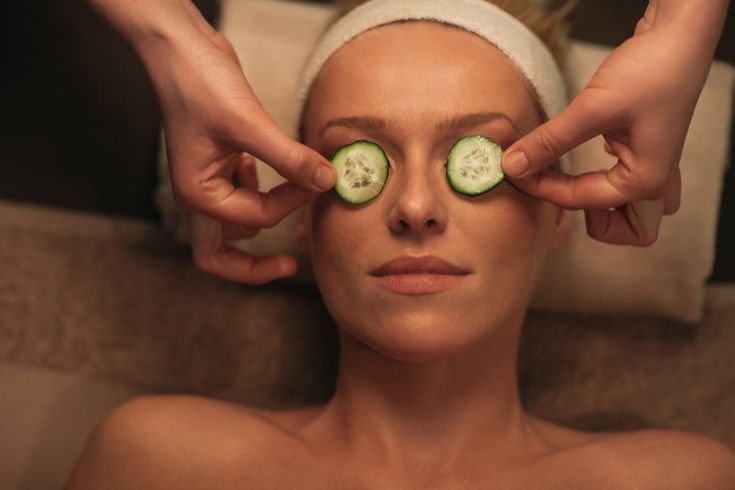
This magazine staple sounded so relaxing: slap on some cucumber slices, close your eyes, and let the magic happen. It became a visual shorthand for self-care. While cucumbers do have some soothing and hydrating properties, they’re not exactly the miracle de-puffers magazines made them out to be. And leaving cold slices on your eyes isn’t the most effective treatment.
Experts now recommend using targeted ingredients like caffeine, peptides, or cold compresses to reduce puffiness. Cucumber slices might feel refreshing, but they don’t penetrate deep enough to tackle serious under-eye issues. Plus, they can introduce bacteria if not cleaned properly. While the spa vibes were real, the results often weren’t. It was one of those beauty rituals that felt nice but didn’t deliver much. A classic case of style over substance.
8. Shave Your Legs with Soap
For years, women’s magazines advised using a bar of soap as a shaving solution. It was cheap, convenient, and right there in the shower. But soap dries out the skin and creates minimal lubrication, increasing the risk of nicks, razor burn, and irritation. That smooth glide we wanted? Soap just couldn’t deliver, and it left many of us with red bumps instead.
Dermatologists now suggest using shaving cream, gel, or even a nourishing conditioner to protect the skin while shaving. These products provide moisture and cushion, helping razors glide more easily and reducing skin trauma. The soap trick was a penny-pincher’s dream, but it did more harm than good. Today’s skincare wisdom is all about protection, hydration, and using the right products for the right job. Soap belongs in handwashing, not shaving rituals.
9. Overpluck Your Brows for a Cleaner Look
Who didn’t fall for the skinny brow trend? Magazines idolized pencil-thin eyebrows as elegant and clean, urging women to pluck away any stray hair in sight. The result was often uneven, patchy, and, let’s be honest, almost impossible to grow back. We were promised a polished look but ended up with years of regret and a new relationship with eyebrow pencils.
Today’s beauty standards embrace fuller, natural brows, and experts encourage minimal plucking and professional shaping. Overplucking can permanently damage hair follicles, making regrowth difficult. Plus, brows help frame the face and soften features. That old advice left many women chasing a style that wasn’t flattering or sustainable. These days, it’s all about balance, thickness, and working with what you’ve got, not against it. The tweezers don’t rule us anymore.
10. Use Vaseline as a Substitute for Moisturizer
Vaseline was once hyped in magazines as the ultimate all-purpose beauty fix, from chapped lips to dry cheeks to makeup remover. And while it does lock in moisture, it doesn’t actually hydrate. Petroleum jelly is an occlusive, meaning it seals in what’s already there. It’s not a replacement for a real moisturizer that replenishes water content in the skin.
Using Vaseline without a hydrating layer underneath can actually lead to drier skin over time. Experts now suggest using humectants like hyaluronic acid or glycerin followed by an occlusive like Vaseline to lock that moisture in. It’s all about layering correctly. The old tip wasn’t completely wrong, it just lacked context. For truly nourished skin, hydration has to come first. Smearing on jelly alone doesn’t cut it anymore.
11. Use Mayonnaise as a Hair Mask
Magazine DIY beauty sections loved this one: slather your hair in mayonnaise for instant shine and softness. While mayo does contain eggs and oils that offer temporary benefits, it’s far from an ideal hair treatment. The vinegar and preservatives found in commercial mayo can dry out the scalp, leave a lingering smell, and attract bacteria if not rinsed properly.
Experts now lean toward ingredient-focused hair masks with proteins, natural oils, and moisturizing agents like shea butter or coconut milk. These provide consistent nourishment without the mess or funky smell. While the mayo trick had some logic, it was an overly simplistic approach to a more complex hair care need. It’s one of those DIY ideas that felt empowering in the moment but lacked long-term results. Your hair deserves more than sandwich spread.
12. Apply Deodorant to Your Inner Thighs
To prevent chafing, some magazine columns advised using deodorant between your thighs, under your bra, or even on your feet. It was touted as a multi-use hack to keep you fresh and friction-free. While the idea sounds practical, most deodorants contain alcohol, fragrances, and antiperspirant chemicals that aren’t suitable for delicate or sensitive skin areas.
Modern experts recommend dedicated anti-chafing balms or creams specifically designed for those areas. These options reduce friction without clogging pores or irritating skin. Using deodorant off-label might feel like a quick fix, but it often leads to rashes, itchiness, and discomfort. That magazine hack underestimated how complex our skin needs really are. It’s another reminder that convenient doesn’t always mean effective, or safe. Today’s solutions are formulated with skin-first science, not shortcuts.
13. Use Nail Polish to Stop Runs in Tights
It was the oldest magazine trick in the book: dab clear nail polish on the edge of a run in your tights to stop it from spreading. And yes, it worked, temporarily. But it also left behind stiff, sticky patches that clung to everything and smelled overwhelmingly of chemicals. It didn’t save your tights. It just prolonged their downfall by a few hours.
Today, most people opt for preventative measures like snag-free storage, gentle washing, or reinforced hosiery. And if there’s a run? It’s usually time for a new pair. This hack belongs to a different time when replacing tights wasn’t always affordable. While resourceful, it wasn’t elegant or comfortable. That nail polish “fix” is now more nostalgic than practical, reminding us how many beauty tips were really just desperate attempts to keep up.
14. Sleep in Your Makeup “Sometimes”

Magazines once downplayed the consequences of sleeping in your makeup, especially after a long night out. The occasional lapse was painted as harmless, just wash up in the morning. But sleeping with foundation, mascara, and oil buildup clogs pores, causes breakouts, and accelerates aging. Even one night can trigger inflammation and interrupt skin renewal.
Today’s skincare experts agree: makeup removal is non-negotiable. Nighttime is when the skin repairs itself, and leftover cosmetics interfere with that process. Micellar water, cleansing balms, and gentle wipes make it easier than ever to clean up before bed. The idea that it’s okay “just this once” set a dangerous precedent. Skipping a cleanse might’ve saved time, but it cost us in skin health. Now we know clean skin before sleep is essential, no matter what.