
1. Lawn Darts
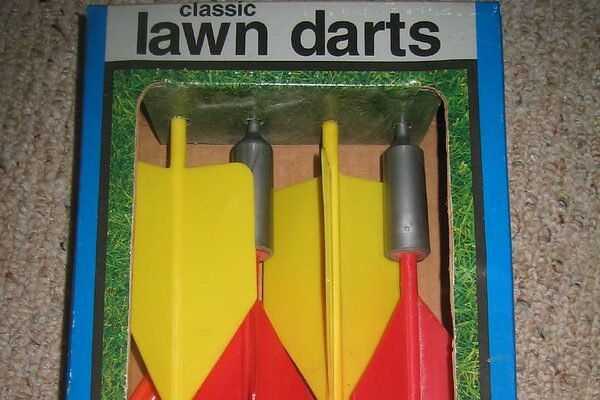
Lawn darts, or “Jarts,” were banned for good reason. These metal-tipped projectiles were meant to be tossed across the yard toward a target, but they often ended up lodged in more dangerous places, including kids. In the late 1980s, the U.S. Consumer Product Safety Commission reported multiple deaths and hundreds of injuries from these so-called toys. While they encouraged outdoor play, they also taught zero safety or critical thinking skills, just the thrill of narrowly dodging head injuries.
Despite the ban in 1988, many families kept them stashed in garages, passing them down like chaotic heirlooms. It’s hard to believe these were ever considered appropriate for children, but in an era of loose regulations and “toughen them up” parenting, that kind of danger was oddly normal. Looking back, they serve as a stark reminder of how far toy safety standards, and common sense, have come. Today’s kids will never know the thrill of an airborne weapon at a birthday party.
2. Creepy Crawlers Oven
The Creepy Crawlers Oven came with metal molds, liquid plastic goop, and a heating device that hit 300 degrees. Yes, that’s right, children were given a miniature oven that got hotter than most kitchen appliances. The goal was to “bake” your own rubbery bugs, but in reality, it often meant blistered fingers and accidental house fires. The toy first hit shelves in the 1960s and went through several versions, most equally reckless.
Parents were assured it was a safe, creative experience. But there was no protective shield, no timer, and no real education around how to use the heat responsibly. Many kids learned the hard way that plastic fumes and high temperatures don’t mix. Though it holds a nostalgic place in many hearts, the Creepy Crawlers Oven taught kids more about pain thresholds than science or art. The updated versions added safety features, but the original? A lesson in chaos.
3. Clackers
Clackers looked simple enough: two acrylic balls connected by a string. The goal was to get them to hit each other rhythmically by jerking the string up and down. But when they clacked too hard, they could shatter, sending shards flying into kids’ faces. They were briefly popular in the early 1970s until enough emergency room visits made their dangers impossible to ignore. There were even recorded cases of eye injuries and fractured teeth.
Despite being marketed as coordination toys, Clackers didn’t offer much in the way of motor skill development. What they did teach was how to flinch fast, dodge flying plastic, and maybe get used to dental visits. They were pulled from stores before the decade was out, but not before leaving an impression, sometimes literally. If you had a pair, you probably learned that physics can hurt, and fun should always come with protective goggles.
4. Easy-Bake Oven (Original Metal Version)
The Easy-Bake Oven feels like harmless nostalgia, but the original metal models from the 1960s and ’70s were essentially electrical appliances marketed to children. Using a real incandescent bulb and internal wiring, they could reach scalding temperatures without exterior insulation. Several generations of kids accidentally burned themselves trying to check on their miniature cakes. Some even got their fingers caught in the tiny oven doors.
What’s wild is that this was supposed to be a safe way to teach “domestic skills.” But in practice, it was more of a crash course in kitchen safety, or lack thereof. While it did inspire a love of baking in some kids, it also introduced a false sense of confidence with hot surfaces and sharp tools. Later models improved the design, but those early editions were more chaos than culinary school. It’s a miracle we didn’t all end up with tiny oven mitts and trauma.
5. Slip ’n Slide
A summer staple for many, the Slip ’n Slide seems innocent enough. But when adults or teens used it, which they often did, they risked serious spinal cord injuries due to the product’s shallow design. It was only intended for children under a certain height and weight, but that was rarely enforced or even mentioned prominently on the packaging. By the 1990s, the U.S. government had issued formal warnings against adult use.
Beyond the safety risks, it also taught kids that speed and recklessness were more fun than caution. Many of us remember launching ourselves headfirst onto wet plastic only to end up with bruised ribs or broken toes. And yet, it was considered the height of backyard entertainment. Today’s kids have splash pads and safety mats. We had momentum, gravity, and an absolute disregard for medical bills. The toy industry eventually added disclaimers, but the damage was done.
6. Skip-It
If you grew up in the ’80s or ’90s, you probably scraped your ankle on one of these at least once. Skip-It was a plastic hoop attached to a rotating ball that you looped around one ankle and swung around like a tether. The goal was to jump over it with your free foot as it spun. The reality? Lots of tripping, tangling, and shin bruises. It looked simple on TV, but it took Olympic-level coordination.
It was pitched as a fun way to exercise, but most kids spent more time falling over than skipping. The ball could pick up speed fast, slamming into ankles with unforgiving force. And if you were too short, too slow, or just plain uncoordinated, you probably gave up and tossed it under the porch. Skip-It didn’t teach you rhythm or endurance, it taught you that exercise could hurt, and sometimes the best move is to just sit it out.
7. Water Wiggle
The Water Wiggle looked like harmless sprinkler fun, but this 1970s toy had a dark history. Designed to dance wildly around the yard when attached to a hose, the plastic tube ended in a heavy, helmet-like nozzle shaped like a cartoon character. Unfortunately, if the head detached or was inserted into an object, or tragically, a child’s mouth, it could cause severe injury or death. At least two children died before it was pulled from the market.
It was the kind of toy that seemed innocent until it wasn’t. The unpredictability was part of the thrill, but also what made it so dangerous. Kids learned how to dodge and laugh, but never how to control it. The Water Wiggle didn’t teach responsibility or coordination. It taught you to run. Fast. And hope your little brother didn’t get knocked out by the plastic head whipping through the air like a rogue firehose.
8. Moon Shoes
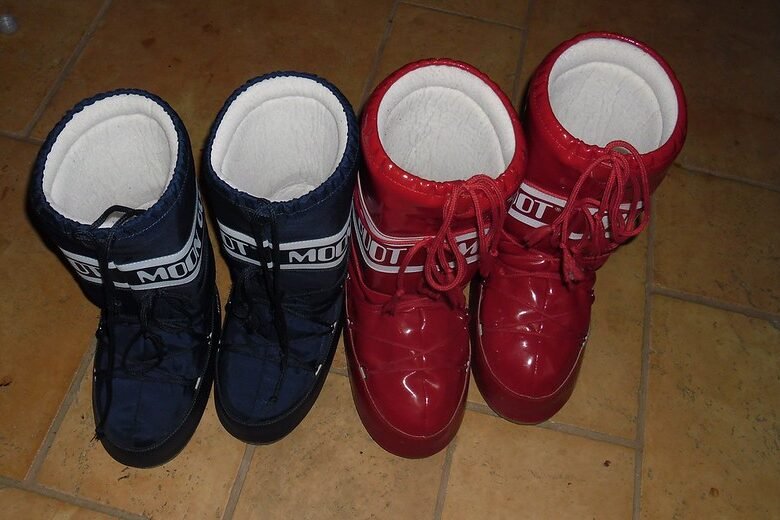
Advertised as “mini-trampolines for your feet,” Moon Shoes gave kids the illusion of anti-gravity play. What they delivered instead was a great way to twist your ankle and ruin your summer. These plastic contraptions had elastic bands meant to let kids bounce as they walked, but they were unstable, clunky, and terrible for growing joints. Balancing on them was a core workout you didn’t sign up for.
Parents were told they encouraged physical activity, but most kids got more bruises than benefits. Every jump was a gamble, and one wrong move meant a tumble. They didn’t really make you jump higher; they made you fall harder. While the idea of bouncing through the backyard was appealing, the execution was pure chaos. And once the elastic stretched out, the toy became even more unpredictable. If you grew up with Moon Shoes, congratulations: your knees survived a stress test NASA wouldn’t approve.
9. Atomic Energy Lab
In one of the most bizarre toy concepts ever marketed, the 1950s Gilbert U-238 Atomic Energy Lab came with real radioactive materials. Yes, you read that right. It included actual uranium ore and a Geiger counter to “safely” teach children about nuclear physics. While it was only on the market for a year, its existence is a reminder of how little thought went into safety in the early days of science toys.
The lab was positioned as an educational tool during the atomic age, encouraging kids to embrace nuclear science. But it did so with zero regard for exposure limits or long-term effects. Parents thought they were raising future scientists. In reality, they were giving kids a firsthand introduction to radiation, without any protective gear. While few units were sold, the lab has become legendary for being the most wildly inappropriate toy ever made. Thankfully, it was discontinued before widespread harm occurred.
10. My Little Babysitter
On the surface, My Little Babysitter looked like another “nurturing” toy from the 1990s. It came with a tiny doll that could “cry” and “need help,” mimicking the needs of a real baby. But the toy taught little about actual caregiving and more about overstimulation and guilt. It demanded constant attention, beeped relentlessly, and gave kids zero guidance on how to soothe or respond. The only lesson? If you ignore a child for five seconds, chaos erupts.
Parents saw it as a gentle way to introduce responsibility, but many kids just learned to associate caregiving with stress. It didn’t empower or educate, it overwhelmed. Unlike dolls that encouraged creativity and roleplay, this one functioned like an alarm clock with abandonment issues. It was more of a panic button than a bonding experience. If your child ever threw it under the bed and claimed it broke “by accident,” you probably understood why.
11. Stretch Armstrong
Stretch Armstrong was marketed as the indestructible muscleman toy you could pull, twist, and tie in knots. The corn syrup-filled body could be stretched several feet in every direction. But once that rubber casing tore, all bets were off. The sticky goo inside leaked everywhere, clung to everything, and refused to come off carpet, clothes, or pets. It was less a toy and more an experiment in regret.
Instead of teaching durability, it encouraged destruction. Kids learned how far they could push a product until it literally exploded. And then they learned about consequences, sticky, staining, never-goes-away consequences. While Stretch was technically safe, the mess he left behind made parents rethink letting their kids have “indoor toys” at all. The toy remains a nostalgic favorite for some, but for many families, it was the gateway to chaos and that one uncleanable stain that never quite went away.
12. Talkboy
Made famous by Home Alone 2, the Talkboy was a handheld voice recorder with speed manipulation features that made every kid feel like a mischievous genius. The idea was to encourage creativity and audio exploration, but what it mostly encouraged was eavesdropping, prank calls, and impersonation. Kids didn’t learn audio engineering; they learned how to start trouble without getting caught.
Marketed to both boys and girls, it was a runaway hit in the early ’90s. But for all its tech appeal, it also helped sharpen some questionable social skills. With no filters or supervision required, kids could record anyone, anywhere, and replay it later to get laughs or stir drama. It made kids feel powerful and clever, without always understanding consequences. While harmless on the surface, the Talkboy opened the door to a sneaky kind of chaos that echoed in school hallways and sibling rivalries everywhere.
13. Pogo Ball
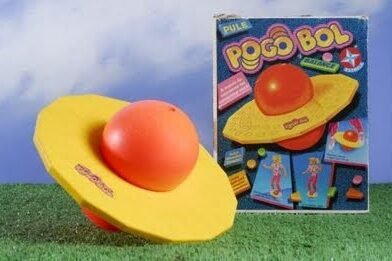
This was the toy that promised coordination and cardio but mostly delivered sprained ankles and concussions. The Pogo Ball was a hard rubber ball trapped inside a flat plastic disc. Kids stood on the disc and bounced around like it was a pogo stick without a handle. The balance required to keep upright was intense, and if you slipped (which happened often), your face usually broke the fall.
Marketed as both exercise and fun, the Pogo Ball was wildly popular in the late ’80s and early ’90s. But it taught little more than how to ignore pain and keep going. There were no safety rails, no real guidance, and absolutely no forgiveness when you hit the pavement. Parents thought it would improve balance and agility. Mostly, it prepared kids for the physical chaos of gym class, or maybe even roller derby. If you could master it, you were ready for anything life threw at you.