
1. Knocker-Uppers
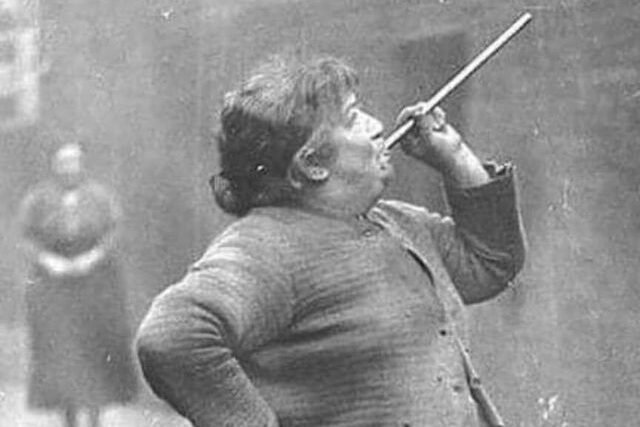
Long before smartphone alarms, early risers relied on people known as knocker-uppers to wake them up for work. These human alarm clocks roamed neighborhoods with long sticks or pea shooters, tapping on bedroom windows to jolt clients from sleep. This quirky job was common in industrial towns in Britain during the 19th and early 20th centuries, especially among factory workers who had to start their shifts at dawn.
Knocker-uppers had to be precise, often memorizing multiple clients’ addresses and preferred times. Some even used customized tools like mini telescopes with chalk or wires for second-story windows. They worked odd hours and had to stay awake despite the lack of sleep themselves. The job faded as mechanical alarm clocks became affordable, but for decades, this odd career kept cities on schedule one window tap at a time.
2. Resurrectionists
In the 18th and 19th centuries, medical schools desperately needed cadavers for dissection. Legal supply was limited, so resurrectionists, or body snatchers, stepped in to meet the demand. These individuals secretly dug up freshly buried bodies and sold them to anatomy programs. It sounds like folklore, but it was a thriving underground industry in cities like Boston, New York, and London, especially before laws changed to allow donated bodies.
The job was dangerous and taboo. Resurrectionists worked quickly and at night, often in teams with lookouts. They needed tools for silent digging and swift extraction and had to avoid both police and angry families. While the job provided good money, it came with enormous risk. This morbid profession declined when legislation caught up, but for a time, digging up the dead was disturbingly normalized in the name of science.
3. Ice Cutters
Before modern refrigeration, people depended on ice harvested from lakes and rivers to keep food cold. Ice cutters braved freezing temperatures to saw thick blocks from frozen bodies of water. The work was physically punishing and incredibly risky. They used heavy saws, horse-drawn sleds, and basic tools, often while navigating slick surfaces and bitter winds. Ice was then stored in insulated houses and shipped to homes and businesses.
Most of this work happened in the dead of winter, with little protection from the elements. Falling through the ice was a very real danger. Still, the job played a crucial role in supplying ice across the country, especially in growing cities. By the 1930s, electric refrigerators made the profession obsolete. But during its heyday, ice cutting was vital to American households and commerce.
4. Switchboard Operators
Before call forwarding and automatic dialing, phone calls had to be manually connected. Switchboard operators, often women, sat in front of massive panels with cords and jacks. When someone made a call, the operator would connect it by plugging wires into the appropriate outlets. This job demanded sharp focus, excellent memory, and fast hands, especially in high-traffic cities like Chicago and New York during the early 1900s.
Operators weren’t just human connectors. They also served as local guides, helping callers find numbers for doctors or police. They memorized frequent callers and often recognized voices. It was considered respectable work for women, though it came with long hours and strict rules. As technology improved, switchboards became obsolete. Still, for decades, these operators formed the backbone of early telecommunications.
5. Leech Collectors
Back when bloodletting was a common treatment, leech collectors played a key role in medical care. These workers waded into ponds and marshes to attract and gather leeches, often using their own legs to draw them in. It was messy, painful, and unhygienic, but the demand for leeches was high across Europe and America during the 18th and 19th centuries, particularly in hospitals and apothecaries.
Many collectors were women or children, especially from poor backgrounds. They sold leeches by the dozen to doctors, who believed the creatures could balance bodily humors. Unfortunately, infections from bites were common, and some collectors suffered long-term health issues. The profession largely disappeared as science debunked bloodletting. However, leeches are still used in microsurgery today, giving this bizarre historical job an oddly modern twist.
6. Powder Monkeys
On 18th and 19th-century warships, young boys served as powder monkeys, ferrying gunpowder from storage below deck to the cannons during battle. They had to move quickly through tight, dangerous corridors while avoiding sparks, enemy fire, and the chaos of combat. Often under the age of 14, these boys were chosen for their small size and agility on cramped ships.
Though the work was vital to naval firepower, it was incredibly risky. Powder monkeys were frequently exposed to exploding shells and flying debris, and many were injured or killed. Despite the danger, some saw it as a steppingstone to a naval career. The role disappeared as naval technology advanced, but for decades, these courageous kids played an essential part in military operations and shipboard life.
7. Rat Catchers
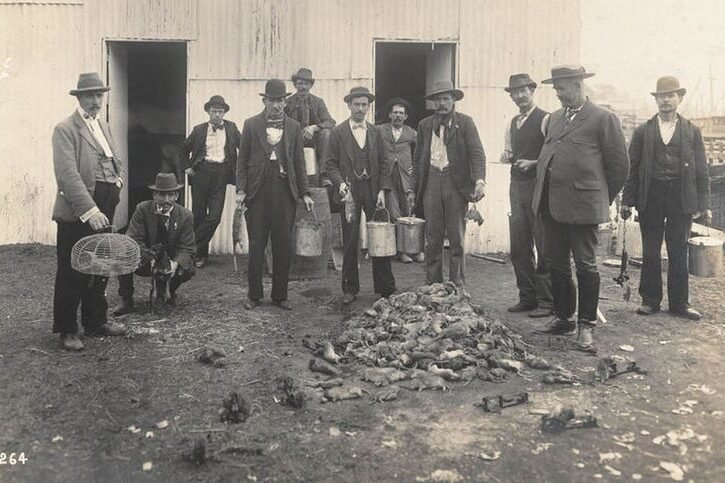
In crowded 19th-century cities, rat infestations were a public health nightmare. Rat catchers were hired to trap, kill, or remove the rodents from homes, streets, and businesses. They used ferrets, smoke, poison, and brute force. Many even carried bags of dead or live rats to prove their work and collect payment.
The job was filthy and hazardous, exposing workers to disease, bites, and infection. Some rat catchers sold live rats to organizers of rat-baiting events, a cruel but popular form of entertainment at the time. As cities improved sanitation and pest control, the demand for independent rat catchers declined. Still, these gritty workers played an important role in controlling urban rodent populations during a very dirty chapter of history.
8. Soda Jerks
Soda jerks were the energetic teens behind the counter at 20th-century drugstore soda fountains, mixing bubbly drinks and milkshakes with flair. This job peaked in the 1930s and 1940s, with jerks memorizing dozens of drink combinations and mastering moves like flipping cups and pouring with a twist.
Beyond mixing drinks, soda jerks were entertainers, chatting with customers and often using special slang. They crafted “suicides” by combining every soda flavor and served up treats with style. It was one of the coolest after-school jobs back then. As self-serve fountains and bottled drinks rose in popularity, soda jerks faded from the scene. But their legacy remains in pop culture and diner nostalgia across America.
9. Pinsetters
Before bowling alleys had machines to reset pins, pinsetters were hired to do it manually. Usually young boys or teens, they sat behind the lanes, dodging bowling balls and quickly restacking pins between every frame. The job was physically tiring and came with its fair share of injuries.
Pinsetters had to stay alert, especially during tournaments or league nights. A misplaced hand or late reaction could result in bruises or worse. Many did the job for pocket change or tips, and it was a common first job in the early 1900s. Automatic pinsetting machines began replacing them in the 1950s, making this strange little job a relic of America’s bowling boom.
10. Lectors in Cigar Factories
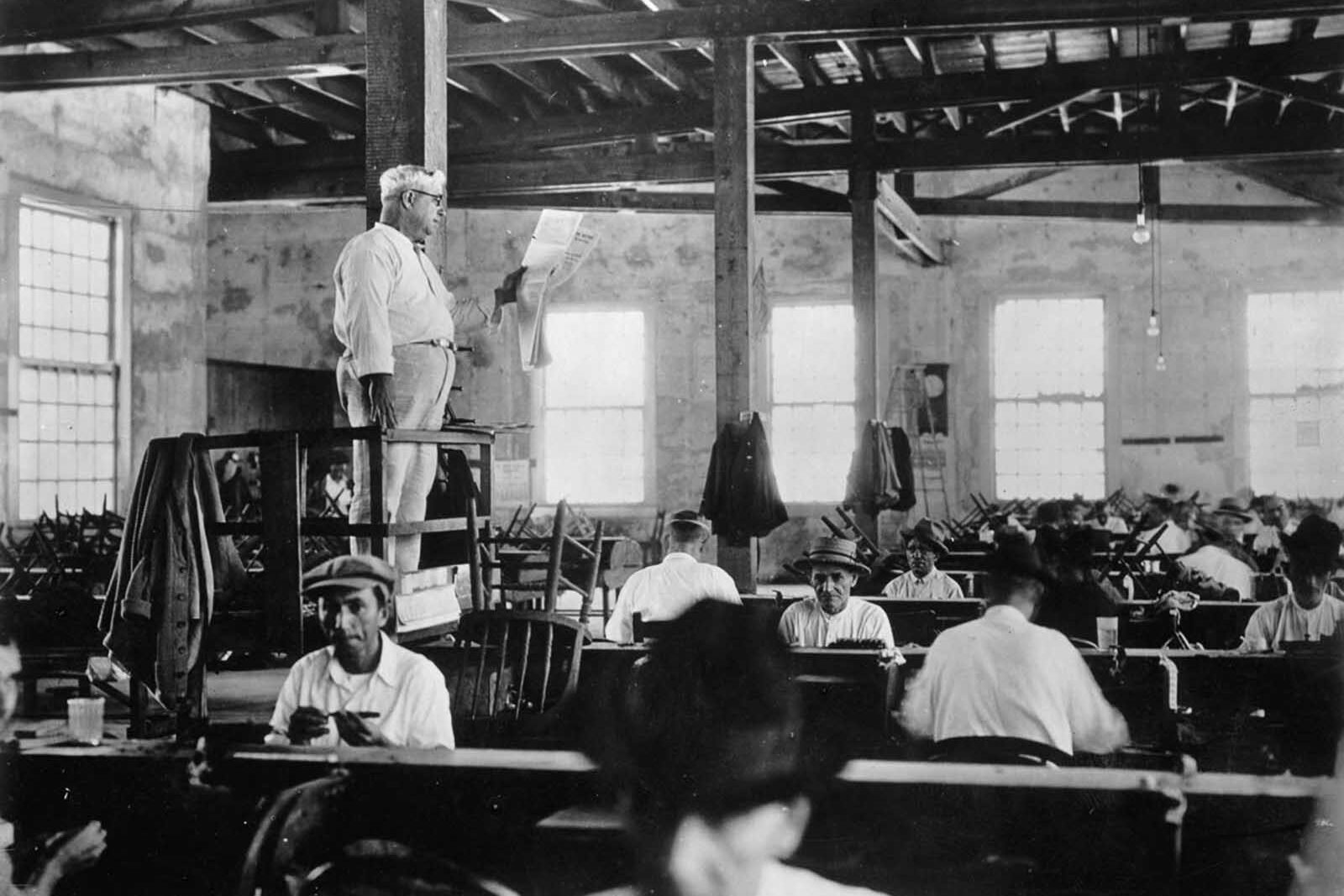
To break the monotony of rolling cigars by hand, factories in places like Havana and Tampa hired lectors to read aloud to workers. Perched on raised platforms, lectors read newspapers, novels, and political essays to educate and entertain the floor. The tradition began in the 1800s and was voted on by the workers themselves.
Lectors often became beloved figures, shaping workers’ worldviews and keeping them informed. But not everyone appreciated their influence, especially factory owners wary of union talk. With the arrival of radio and changing labor dynamics, the job gradually disappeared. Still, lectors left a lasting legacy, showing that even in repetitive work, people crave culture, learning, and a voice worth listening to.