
1. Victoria Station
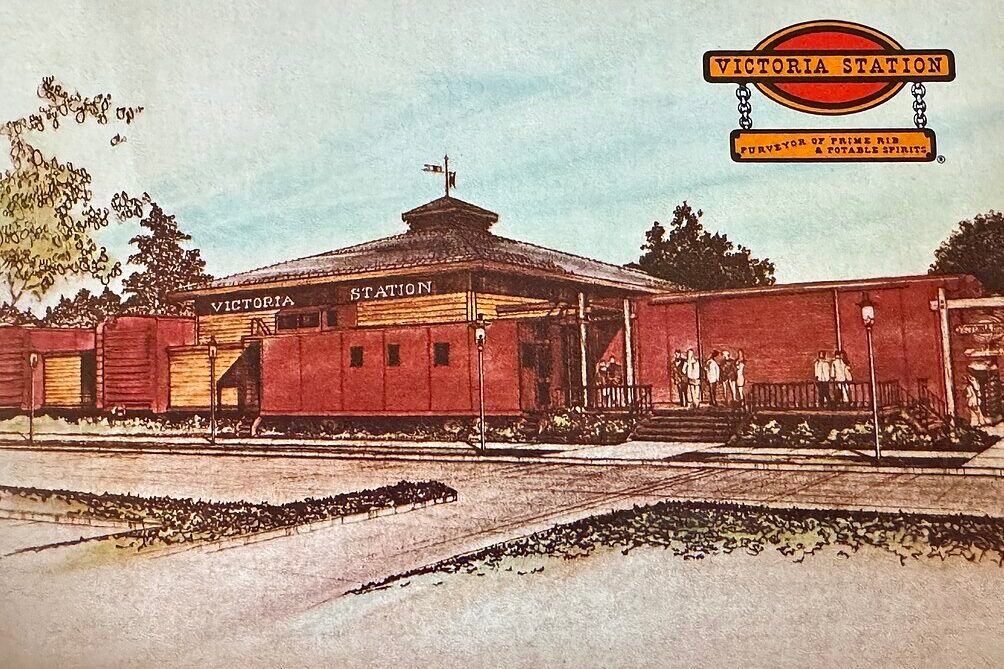
Victoria Station was a steakhouse chain where guests dined inside real train boxcars. It featured red phone booths, antique rail décor, and even a hillside funicular at one location. Prime rib was the go-to, but it was the immersive setting that made it special. At its peak, the chain had over 100 locations and even had Johnny Cash record a themed album to promote the restaurant’s railway nostalgia.
Despite its popularity, operating full-size railcars as dining rooms became expensive. The heavy theming, while charming, was difficult to maintain and refresh. By 1986, the chain filed for bankruptcy, and by 1992, all U.S. locations were closed. Experts say the brand’s decline shows how theme-heavy dining can struggle once novelty fades. Fun memories remain, but Victoria Station is now a relic of quirky dining history.
2. Bugaboo Creek Steakhouse
Bugaboo Creek wasn’t just about steaks; it was about animatronic animals. Talking moose heads, raccoons, buffalo, and even a singing Christmas tree gave diners a wilderness show with their meal. Each character had a personality, cracking jokes and telling tall tales. The Canadian lodge vibe was warm and weird, making dinner feel like a cross between a steakhouse and a theme park attraction.
But mechanical moose aren’t cheap to maintain. By 2010, after filing for bankruptcy, the company started phasing out its animatronics to cut costs. Without the charm of talking woodland creatures, the magic disappeared. The last Bugaboo Creek closed in 2016. Restaurant industry experts agree that gimmick-driven spots like this often fade when novelty wears off and upkeep outweighs profits. Still, it remains one of the most unforgettable themed chains.
3. Bikinis Sports Bar & Grill
Bikinis Sports Bar was all about skin, sports, and spectacle. Waitresses wore bikini tops and cowboy boots, serving beer and burgers while sports played in the background. The chain made headlines in 2012 when its owner bought a ghost town in Texas and renamed it “Bikinis, Texas.” He planned bikini-themed parades and even a “hall of fame” for employees, betting big on sex appeal and shock value.
While it grabbed attention, it didn’t last. Public backlash, changing attitudes toward objectification, and declining sales hurt the brand. By 2018, all the locations closed, and the ghost town’s name was reverted. Food historians say its collapse highlights the risk of building a brand solely on controversy. Without lasting substance or inclusive appeal, Bikinis fizzled fast. It’s a cautionary tale of marketing over mission in the restaurant world.
4. Automat (Horn & Hardart)
Before fast food took over, the Automat was revolutionary. Founded in 1902, Horn & Hardart locations let customers grab meals from glass-fronted cubbies after inserting nickels. No servers just streamlined efficiency. You could enjoy mac and cheese, coffee, and pie without speaking to a soul. The Art Deco interiors and clinking machinery made it feel futuristic and special, especially during the Great Depression and postwar era.
Automats thrived for decades but couldn’t keep up with modern dining. Fast food chains offered drive-thrus and dollar menus, and people wanted more convenience. The last Automat closed in 1991, ending a quirky chapter in American food history. Experts view Automats as early fast-casual dining, efficient but impersonal. They offered charm and speed, but changing times called for a different kind of service. Still, for many, Automats live on in memory.
5. Jekyll & Hyde Club
The Jekyll & Hyde Club in New York City wasn’t your average dinner spot. It was a haunted Victorian mansion come to life. Skeletons leapt from bookcases, animatronic gargoyles growled, and fog machines misted the dining room. Actors dressed as mad scientists and ghosts roamed the floor. It was dinner and a haunted house rolled into one, promising a theatrical experience with every course.
While the atmosphere thrilled tourists, the food often disappointed. High operating costs and hit-or-miss reviews eventually drove it out of business. By the 2020s, the concept faded. Hospitality experts say the restaurant shows how over-the-top themes can mask weak menus, but not forever. People came for the show but didn’t return for the food. Still, it remains one of the most daring themed restaurant ideas ever attempted.
6. Mars 2112
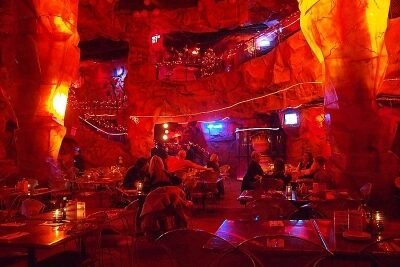
Mars 2112 was out of this world, literally. Opened in Times Square in 1998, it invited diners to “teleport” to Mars via a bumpy spaceship elevator. Guests emerged into a glowing red cavern filled with aliens, lava pools, and outer space servers. Cosmic Chicken Fingers and Galaxy Burgers ruled the menu. For kids and sci-fi lovers, it was a wild fantasy brought to life.
But novelty wears off fast in New York. Critics panned the food, and tourists didn’t come back twice. The high cost of maintaining its elaborate setting didn’t help. Mars 2112 closed in 2012. Industry voices say it proves how even jaw-dropping themes can’t overcome bland meals. It lives on in nostalgic memories as a gloriously strange restaurant that aimed for the stars but crash-landed.
7. Coon Chicken Inn
Coon Chicken Inn opened in the 1920s and used an extremely racist caricature of an African American man as its logo and even as the entrance to the restaurant. Diners walked through a giant face to get inside. The branding appeared on everything, menus, dishes, signs, and reflected the blatant racism normalized in the era. It expanded across several states, becoming oddly popular during its heyday.
By the late 1950s, public sentiment began to shift. The imagery became too controversial, and all locations were eventually closed. Today, it’s studied as a painful reminder of America’s racist past in marketing and food culture. Historians emphasize that themed branding has long-term consequences, especially when rooted in harmful stereotypes. While most would rather forget it, this chain is still taught in classrooms as a cautionary tale.
8. Pumper Nic
Pumper Nic was Argentina’s fast food darling of the 1980s and ’90s. It looked like Burger King, felt like Burger King, but wasn’t Burger King. The golden “P” in its logo mimicked the famous American arch, and menu items like the “Mobur” and “Frenys” made it feel like a fun Latin twist on U.S. staples. For a while, it gave global giants real competition.
But the imitation caught up with them. Once actual Burger King and McDonald’s entered Argentina, lawsuits followed. Pumper Nic rebranded, lost momentum, and struggled with inconsistent quality. By 1999, the once-beloved chain had fizzled out completely. Business experts view it as a case of local innovation mixed with borrowed identity. It had flair but lacked staying power once the originals arrived. Still, it lives on in nostalgia for many Argentinians.
9. Macheezmo Mouse
Macheezmo Mouse was ahead of its time. Founded in Portland in 1981, it offered healthy fast food with a Tex-Mex twist. Think lean burritos, fresh salads, and soft tacos made with whole ingredients. The name came from the founder’s college nickname and gave the brand a goofy, cartoon vibe. The mascot was a flexing mouse with a mustache, which added a quirky charm to the health-conscious menu.
In the early ’90s, the brand went public and expanded fast. But tragedy struck when its founder died in a plane crash, and the company lost direction. Poor financial decisions and rising competition led to its decline. By 2003, all locations had closed. Industry insiders remember it as a bold attempt to mix fun branding with healthy eating. Though it failed, it inspired the fast-casual wave we know today.
10. ShowBiz Pizza
ShowBiz Pizza was a sensory overload in the best way. Kids devoured pizza while watching The Rock-afire Explosion, a band of robotic animals performing rock and pop songs. Flashing lights, arcade games, and animatronic characters like Billy Bob and Mitzi Mozzarella made it feel like a party every day. It was Chuck E. Cheese’s wild cousin, but with better robots and weirder energy.
Merging with Chuck E. Cheese in the late ’80s spelled the beginning of the end. The robots were phased out, replaced by the Chuck E. mascot we know today. Fans still mourn the loss of those quirky performances. Documentaries and tribute videos keep their memory alive. For anyone who grew up in the ’80s, ShowBiz Pizza wasn’t just a restaurant, it was a full-on childhood experience with greasy fingers and flashing lights.
11. Cheeseburger in Paradise
Inspired by Jimmy Buffett’s hit song, Cheeseburger in Paradise served up burgers, beach vibes, and fruity cocktails. It felt like stepping into a Caribbean vacation, even if you were in the Midwest. Surfboards lined the walls, island music played overhead, and every meal came with a side of escapism. The laid-back concept resonated with Buffett fans and casual diners alike.
Launched in 2002, the chain grew quickly but couldn’t stay afloat forever. Declining traffic and brand fatigue set in. By 2020, all U.S. locations had closed. Analysts note that music-themed dining can feel dated quickly if the fan base doesn’t keep growing. While the food was decent, the atmosphere carried the brand. Today, fans look back with beachy nostalgia, remembering it as a taste of paradise far from the shore.
12. Kenny Rogers Roasters
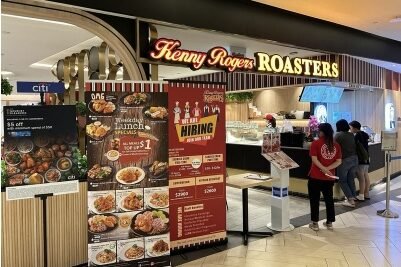
Founded in 1991 by country legend Kenny Rogers, this rotisserie chicken chain aimed to serve hearty, home-style meals in a comfortable setting. With side dishes like mac and cheese, cornbread, and green beans, it quickly caught on among families. The brand also leaned heavily into Kenny’s star power, blending music memorabilia with wholesome dining.
The chain saw major success early on, even getting a shoutout in a 1996 episode of Seinfeld. But as the market got crowded and interest waned, U.S. locations started closing. While it disappeared stateside, it still thrives in parts of Asia. Experts see Kenny Rogers Roasters as proof that celebrity branding can launch a business, but it takes more than a famous name to keep it alive. Still, for fans of classic comfort food, it left a flavorful impression.