
1. I Am the Walrus – The Beatles
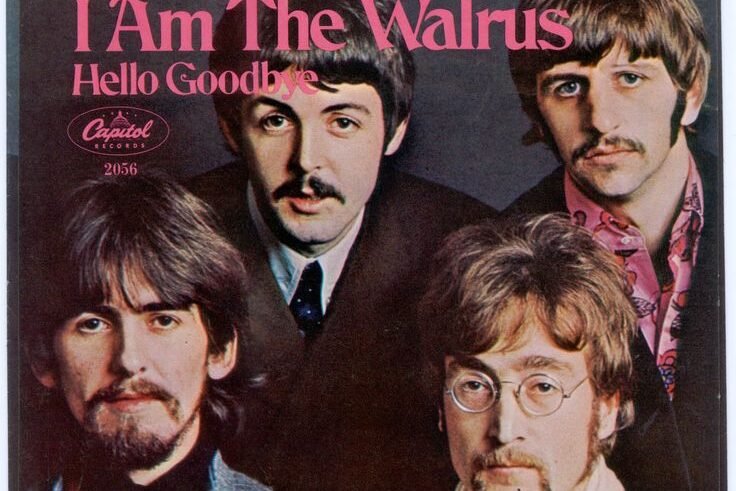
This Beatles song faced a BBC ban because the lyrics were seen as too odd and experimental for widespread radio play. Early audiences and programmers found the surreal imagery confusing. The track’s unconventional structure and poetic mystery made it a difficult fit for standard playlists. Music critics later argued that the ban only heightened the song’s mystique and fueled public curiosity, turning it into an underground classic with a reputation for challenging norms.
Over time scholars of music history have pointed out that the ban had the opposite effect of what censors intended. Instead of suppressing the song it encouraged more people to listen and discuss. Today it stands as a signature example of psychedelic pop meeting rebellious art. The controversy around its ban has been preserved in archives and retrospectives. It remains celebrated as one of the most influential and story rich songs in rock history.
2. Louie Louie – The Kingsmen
When Louie Louie was released radio stations banned it because listeners claimed to hear obscene lyrics in the muffled vocals. The controversy escalated into an FBI investigation focused on the possibility of lewd content. Despite no explicit language ever being confirmed, the rumor spread quickly. Music historians note that the attempts to suppress the song ended up making it more popular. The FBI also concluded that the lyrics were unintelligible, and no offense could be officially verified.
In response to the ban and investigation the public interest exploded. Record sales increased dramatically even though the track was off many playlists. Critics now see this as one of the most effective examples of media censorship failing. The song’s legacy rests on its status as a garage rock anthem wrapped in myth and misunderstanding. It remains iconic for sparking debates about free speech and morality in popular music.
3. Eight Miles High – The Byrds
This 1966 Byrds track was swiftly banned by many U.S. radio stations due to perceived drug references. A trade journal called Gavin Report urged programmers to drop it, claiming the lyrics implied marijuana or LSD use. The band denied that interpretation, insisting the song was about their flight to England and tour experiences. Music historians now regard the ban as a key factor that stalled the song’s climb on the charts, although its complex structure and uncommercial length likely played a role too.
Experts see this ban as emblematic of 1960s cultural tension around psychedelia. The song reached number fourteen on Billboard and twenty-four in the UK, missing the top ten partly because it was pulled from some stations. But it went on to be hailed as a pioneering work of psychedelic rock and raga rock. Its innovative musical fusion and lyrical ambiguity made it a touchstone for fans and scholars of rock history.
4. Mr. Farmer – The Seeds
When The Seeds released Mr. Farmer in early 1967, many radio stations banned it over what they saw as marijuana glorification. The lyrics described rural farming life, but programmers believed the song was a coded tribute to pot growers. Sky Saxon had attempted to mask the drug associations by portraying it as an anti-drug tale, yet it was widely interpreted otherwise. The song still peaked at number eighty-six on the U.S. Billboard Hot 100 before radio play dropped off.
Today music experts point to this ban as a snapshot of growing discomfort in mainstream media with rising drug culture. The controversy elevated the band’s underground reputation, even in markets where the ban didn’t apply. Although it never became a major hit, its mythos endures among garage and psychedelic rock circles. It stands as a classic example of censorship boosting a song’s cultural capital rather than destroying it.
5. Wildwood Weed – Jim Stafford
Released in 1974, Wildwood Weed was a novelty country‑rock tune about brothers discovering a hallucinogenic wildflower and cultivating it until federal agents raid them. Despite its humorous tone, some AM radio stations banned it because listeners felt the song celebrated marijuana use and that was unacceptable in conservative markets.
Experts view the ban as a clear case of mainstream broadcasters drawing a hard line at even lighthearted drug references. The song nonetheless became a crossover hit, reaching high positions on the U.S. Hot 100 and country charts. Its cheeky take on taboo subject matter and its censorship added to its appeal. Today the story behind its ban is often cited in retrospectives about how censorship sometimes propels novelty songs into broader attention.
6. God Save the Queen – Sex Pistols
In 1977, the Sex Pistols released this punk anthem during Queen Elizabeth II’s Silver Jubilee, provoking outrage across Britain. BBC radio immediately banned it, claiming it was in bad taste and unpatriotic. Even some record stores refused to stock it. Despite the lack of radio support, the single surged to number two on the UK charts, sparking rumors that its true number one status was deliberately blocked to avoid embarrassment for the monarchy.
Music historians describe the ban as one of the most notorious censorship cases in rock history. It demonstrated how rebellious music could ignite national debate about free speech, art, and authority. The song became a defining moment for punk, fueling its image as a genre for the disenfranchised youth of the 70s. Decades later, it remains a powerful protest track and a reminder of how censorship can unintentionally amplify music’s cultural impact.
7. My Generation – The Who
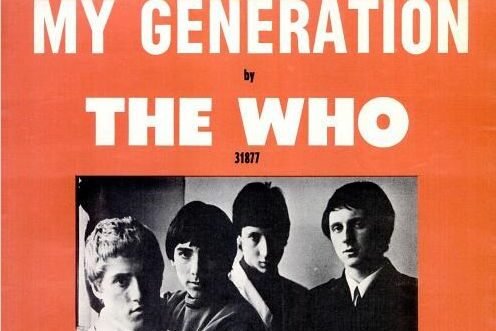
This iconic 1965 track captured teenage rebellion with raw energy and lyrics like “Hope I die before I get old.” BBC programmers banned it temporarily, fearing it would offend older listeners and people with speech impediments because of Roger Daltrey’s stuttering delivery. Critics argue this cautious approach underestimated the song’s intent, which was to express youthful frustration, not mock anyone. Despite the ban, it became one of The Who’s most defining early hits.
Experts believe the temporary censorship only cemented its reputation as a countercultural anthem. It resonated deeply with young listeners who felt misunderstood, turning it into a generational battle cry. Over time, it has been ranked among the greatest rock songs ever recorded. The initial ban now seems ironic, given that its message about youth power and identity has been celebrated globally for decades, inspiring countless artists to voice their own rebellion.
8. Lola – The Kinks
When Lola debuted in 1970, it told the story of a young man’s encounter with a cross-dressing individual. While the lyrics were playful, radio stations in Australia and some conservative regions viewed it as inappropriate and refused to play it. The controversy highlighted ongoing discomfort with non-traditional gender themes in mainstream music at the time. Still, it charted well in several countries, thanks to fans embracing its humor and catchy melody.
Music experts now call Lola groundbreaking for its early, open portrayal of fluid gender identity in popular rock. The bans it faced reflected cultural taboos more than any genuine offense. Today it is remembered as a bold, witty track ahead of its time, celebrated for breaking boundaries that few rock songs dared to cross in the 1970s. Its initial censorship helped highlight the need for broader acceptance in music storytelling.
9. God Only Knows – The Beach Boys
Released in 1966, this gentle love ballad caused unexpected controversy. Some U.S. radio stations refused to play it because of the word “God” in its title, fearing it would be seen as blasphemous or inappropriate for secular airwaves. While other regions embraced it, the song’s rollout was uneven, and Brian Wilson later admitted the ban initially hurt its chart success.
Critics now widely regard God Only Knows as one of the greatest love songs ever written, praising its lush harmonies and emotional depth. Experts argue the censorship reflected the era’s overly cautious radio standards rather than genuine offense. Decades later, the song is a staple of classic rock and pop, celebrated for its spiritual and romantic power. What was once a target for bans is now revered as timeless, soulful art that transcends cultural boundaries.
10. Highway to Hell – AC/DC
Released in 1979, Highway to Hell became an instant rock anthem but faced sporadic bans worldwide. Some U.S. radio stations refused to play it in the early 1980s over fears that its title glorified devil worship. The controversy resurfaced after September 11, 2001, when Clear Channel Communications discouraged airing songs with references to death or tragedy. Despite these bans, the track remains one of AC/DC’s most enduring hits.
Experts believe the bans misunderstood the song’s meaning. It was a metaphor for the hard lifestyle of constant touring, not literal hell. These censorship attempts arguably made the song more intriguing to young listeners. Today, Highway to Hell is celebrated as a high-energy hard rock classic that shaped the genre’s sound. Its rebellious spirit thrives, and the bans are remembered more as overreactions than legitimate critiques of its message.
11. Another One Bites the Dust – Queen
This 1980 funk-infused rock hit faced bans decades later following the September 11 attacks. Clear Channel issued a “suggested avoidance list” for stations, fearing that songs with references to death would upset listeners. Many DJs temporarily dropped it from rotation, even though the lyrics had no connection to real-world tragedies. Despite this, Queen’s track remained a commercial and critical success, ultimately becoming one of their best-selling singles.
Experts point out that this ban highlighted how reactive media censorship can be during times of crisis. Listeners were largely sympathetic, but many felt it was unnecessary to pull an unrelated, upbeat song. Over time, Another One Bites the Dust returned to radio and reclaimed its status as a stadium anthem. It is now considered a timeless blend of rock and disco energy that transcends the controversies of its past bans.
12. Let’s Spend the Night Together – The Rolling Stones
When this provocative track hit the airwaves in 1967, many conservative broadcasters objected to its openly suggestive lyrics. Radio stations in the United States and several international markets banned it, labeling it immoral and unsuitable for younger audiences. The Rolling Stones even altered the lyrics for some televised performances to appease censors. Despite the initial backlash, the song became one of their signature tracks.
Music historians highlight this moment as part of a larger cultural shift in rock music, where themes of love and intimacy became less hidden. The bans now seem tame compared to modern standards, illustrating how social norms evolve. Let’s Spend the Night Together is recognized today for its catchy, fearless spirit and its role in challenging outdated restrictions on what could be sung on mainstream airwaves.
13. The Last DJ – Tom Petty & the Heartbreakers
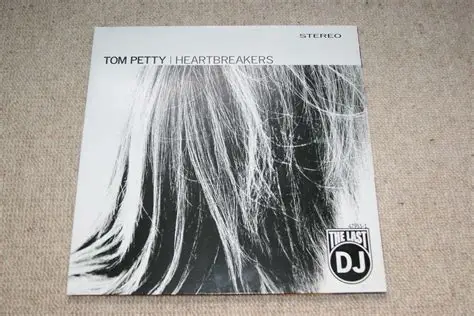
In 2002, Tom Petty released this biting critique of corporate-controlled radio. Many stations owned by Clear Channel reportedly banned it, unwilling to air a song that openly criticized their business model. The lyrics mourn the loss of authentic DJs choosing music for passion rather than profit. While never a massive chart hit, the controversy fueled public discussions about homogenized radio playlists.
Experts see this as a rare case of censorship tied directly to commercial interests rather than morality or sensitivity. The ban ironically proved Petty’s point, showing how big companies could suppress dissenting voices. Over time, The Last DJ gained respect as an honest, soulful track speaking to fans who longed for more freedom in radio broadcasting. Its story highlights how classic rock sometimes exposes uncomfortable truths that gatekeepers prefer to ignore.