
Easy-Bake Oven Taught Us Confidence One Cupcake at a Time
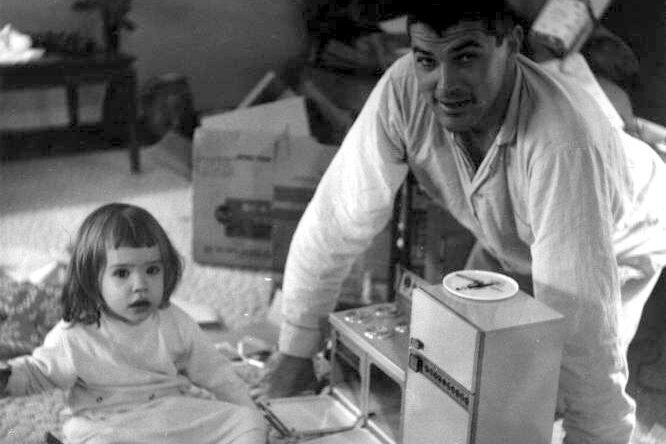
There was something magical about sliding a tiny pan into that pastel-colored plastic oven and watching a light bulb transform raw batter into a real cake. The Easy-Bake Oven didn’t just cook snacks, it sparked independence. For many kids, especially young girls who weren’t handed real kitchen tools just yet, this was their first taste of self-reliance and creation.
You measured, you mixed, and you waited. That patience alone was a life skill. Then came the best part, sharing. You’d call over your siblings or friends, break out your carefully prepared mini cakes, and suddenly you were the hostess of the year. It wasn’t about gourmet meals. It was about learning how to try, to experiment, to serve. The Easy-Bake Oven made you believe you could create something from almost nothing. And it gave you the courage to try again, even if the cookie came out a little crispy.
Etch A Sketch Taught Us the Art of Precision and Patience
If you ever tried drawing a circle with an Etch A Sketch, you know it wasn’t easy. Those little white knobs demanded more than imagination. They asked for focus, control, and a willingness to start all over when things went sideways. Before tablets or styluses, this red-framed wonder taught us how to plan ahead and commit to our lines.
You learned that sometimes the picture in your head didn’t always match what came out. And that was okay. You could always shake it up and start again. That alone was a powerful lesson. Not everything has to be perfect. Creativity takes time. And failure isn’t final, it’s just another beginning. Etch A Sketch wasn’t about making masterpieces, it was about learning to enjoy the process, even when your rocket ship looked more like a square with dreams.
Lite-Brite Showed Us That Mistakes Could Still Shine
There was nothing like sitting in a dim room with a pile of colorful pegs and watching your creation come to life, one glowing dot at a time. Lite-Brite wasn’t just a toy. It was an early lesson in design thinking. You had to visualize, place each peg with intention, and trust that even when things looked a little off, the end result would be worth it.
It wasn’t just about following the patterns, either. The real magic happened when you went rogue, when you made your own designs or mixed colors in ways that no instruction sheet suggested. That tiny light board taught us about contrast, trial and error, and the beauty of imperfection. It was both structure and freedom in one glowing box. And every time you stepped back to admire your creation, you felt like you had turned the dark into something beautiful. That feeling stays with you long after childhood ends.
Lincoln Logs Taught Us the Power of Imagination and Balance
Lincoln Logs came in that rustic canister with their wooden scent and simple shape, but they opened up a whole world. You didn’t just build cabins. You built cities, forts, hideouts, and dreams. The toy didn’t beep or buzz. It didn’t need batteries. It just asked for your time and your mind. And in return, it taught you how to construct something steady from the ground up.
You learned how things fit together, how to balance the roof, and how to fix something when it collapsed. It was architecture for beginners, disguised as play. More than that, it was about dreaming big with small tools. Lincoln Logs weren’t flashy, but they gave you the feeling of building something real. And whether you built alone or with a sibling, there was always a moment when you stepped back, looked at your work, and felt proud. That’s not just learning. That’s growth.
View-Master Opened Our Eyes to a Bigger World
The View-Master didn’t move. It didn’t speak. But once you held it up to your eyes and clicked the lever, you were suddenly in a whole new world. With each turn, you traveled from national parks to cartoon adventures to outer space. This simple toy introduced you to places you’d never been and stories you never imagined.
It sparked curiosity. You started asking questions. Where is that? Who are those characters? What happens next? That hunger for information is what real learning looks like. The View-Master didn’t need a touchscreen to take you places. It used still images and your wide-eyed wonder. And sometimes, that’s all it takes. It taught you that the world was big, beautiful, and waiting to be explored. And more importantly, it showed you that even through a tiny window, you could dream big.
Spirograph Made Math and Art Fall in Love
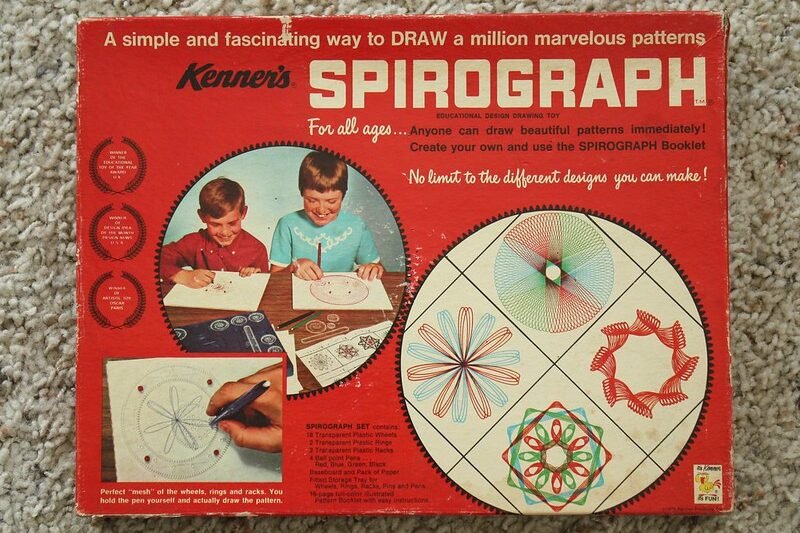
At first glance, Spirograph looked like a jumble of plastic wheels and pens. But once you got the hang of it, it revealed a hypnotic dance between geometry and creativity. You’d pick your favorite color, anchor the wheel just right, and slowly begin tracing loops and spirals that turned into mesmerizing patterns.
It was part art, part science. Without even realizing it, you were learning about symmetry, repetition, and pattern recognition. You saw how small changes made big differences, how pressure and speed changed the outcome. And when your pen slipped or your hand wobbled, you’d adjust and keep going. Spirograph didn’t teach perfection. It taught resilience and awe. It made math beautiful. For kids who never thought they liked numbers or design, this toy proved that the two could not only coexist, but make magic together.
Operation Taught Us Focus and Grit Under Pressure
That buzzing sound still lives in our ears. One wrong move and your heart skipped a beat. Operation may have looked like a silly board game, but it secretly taught us the art of patience, concentration, and keeping cool under pressure. Holding those tiny tweezers and trying to remove a funny bone without touching the sides felt like serious business.
And it was. You learned to steady your hand, to block out distractions, to laugh when you failed and try again anyway. It was less about winning and more about staying calm, getting better, and having the courage to keep going after the buzzer buzzed. The game was silly, yes. But it sharpened your mind and your motor skills without ever feeling like work. In a way, it taught you how to handle life’s little jolts and find joy in the challenge.
Speak & Spell Turned Learning into a Game
That robotic voice was unforgettable. When you turned on your Speak & Spell, it greeted you with a buzz and a challenge. Spell this word. Try again. Excellent. It made learning feel like play, and for many kids, it was their first introduction to technology as a tool for personal growth. You weren’t being graded. You were being guided.
Speak & Spell gave you instant feedback without shame. It didn’t scold you for getting it wrong. It simply asked you to try again. That kind of gentle repetition taught resilience and patience. It helped build vocabulary and confidence, and in a way, it taught you to trust your own learning process. Long before spelling apps and typing games, this orange keyboard with a screen shaped how we approached education. It was futuristic for its time, but its lessons were timeless.
Mr. Potato Head Taught Us About Choices and Identity
Before social media filters and digital avatars, there was Mr. Potato Head. He came with a box full of goofy eyes, wide grins, and mismatched hats. And somehow, in putting him together again and again, we learned about choices. About what felt right. About how we could express ourselves in ways that were fun, silly, or totally off the wall.
This wasn’t just about facial features. It was about creativity without limits. You could make your potato look traditional or turn him into a space cowboy with a mustache. You learned that things didn’t have to be done one way. That sometimes, making something look ridiculous was the point. Mr. Potato Head encouraged trial and error, emotional expression, and a joy in transformation. It helped us understand that our identity could be playful, and that experimenting was not only allowed but encouraged.
Play-Doh Was a Masterclass in Creativity and Texture
Open a tub of Play-Doh and you were instantly hit with a smell you still remember. Then came the squish. The roll. The mold. Play-Doh was freedom in your hands. There were no instructions. Just color and touch and possibility. It let you build whatever your mind could dream up, and if it flopped, you just squashed it and started again.
That freedom was everything. It taught you that ideas could be messy and still worthwhile. That imagination wasn’t about staying inside the lines but making your own lines altogether. It also introduced sensory learning. You weren’t just seeing or hearing. You were feeling. That mattered. For kids who struggled to focus in a classroom, Play-Doh was a quiet, squishy way to learn fine motor skills, shapes, storytelling, and even emotion regulation. And the best part was, you never needed a perfect end result to feel proud.
Hot Wheels Taught Us Engineering and Grit
Hot Wheels weren’t just fast. They were a full-blown science experiment. You’d snap together those bright orange tracks, send a car racing through the loop, and cheer as it launched off the table. Or groan when it didn’t make it and try again. It was trial and error, velocity and design, frustration and triumph all rolled into one.
The real learning came when you adjusted the angles, stacked books for more height, or created new layouts. You learned cause and effect. You learned that going too fast around a curve might flip your car. That success often meant tweaking, testing, and rebuilding. There was math hidden in every run and engineering in every bend. But none of it felt like school. It felt like fun. And in the process, you developed problem solving skills that stayed with you far longer than any homework ever did.
Cabbage Patch Kids Taught Us to Nurture and Empathize
When you held a Cabbage Patch Kid for the first time, it felt like more than a doll. It felt like someone was counting on you. With their chubby faces and soft bodies, they didn’t do much. But somehow, they sparked something deeply human in us. You named them. Cared for them. Took them on errands with Mom or tucked them into bed at night.
These dolls taught empathy. They taught responsibility. You learned to soothe, to feed, to listen. Even if it was all pretend, it made your little heart feel big. And in a way, it prepared you for future relationships. It made you kinder. More aware. It made you imagine what it would be like to be someone else’s safe place. In a time before parenting apps and talking toys, the stillness of a Cabbage Patch Kid helped raise a generation with a little more care in their hearts.
LEGO Taught Us That Great Things Begin With Small Pieces
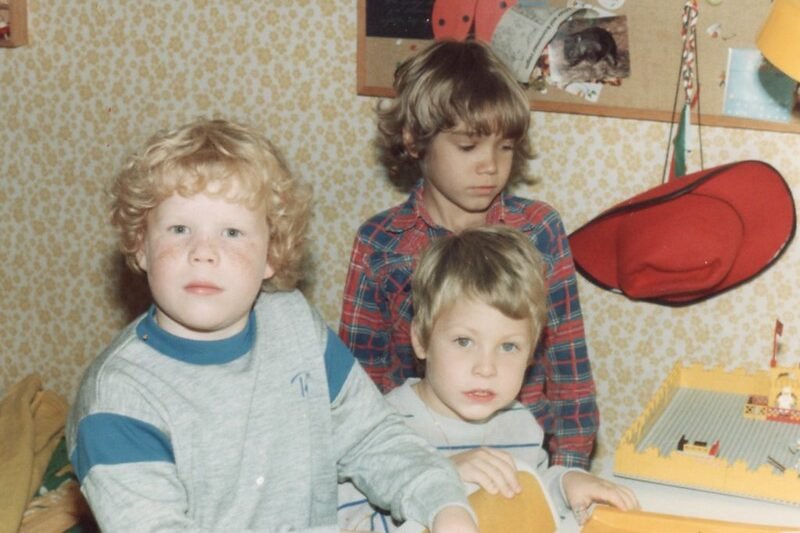
LEGO didn’t come with guarantees. You opened that box and found hundreds of little bricks, all full of potential but no promises. You could follow the instructions or throw them aside and create something completely new. And every time you connected two pieces, you were building more than a model. You were building confidence.
LEGO taught us planning, patience, and perseverance. That moment when a piece didn’t fit quite right and you had to try again. The pride when your tower stood tall. The disaster when your spaceship fell apart and you sat there, crushed for a second, before picking the pieces back up. It taught us that failure wasn’t final. That sometimes, your best work came after your biggest mess. In those little bricks, we found limitless potential. And in putting them together, we learned that we had potential too.