
All in the Family Brought Real Talk to Primetime
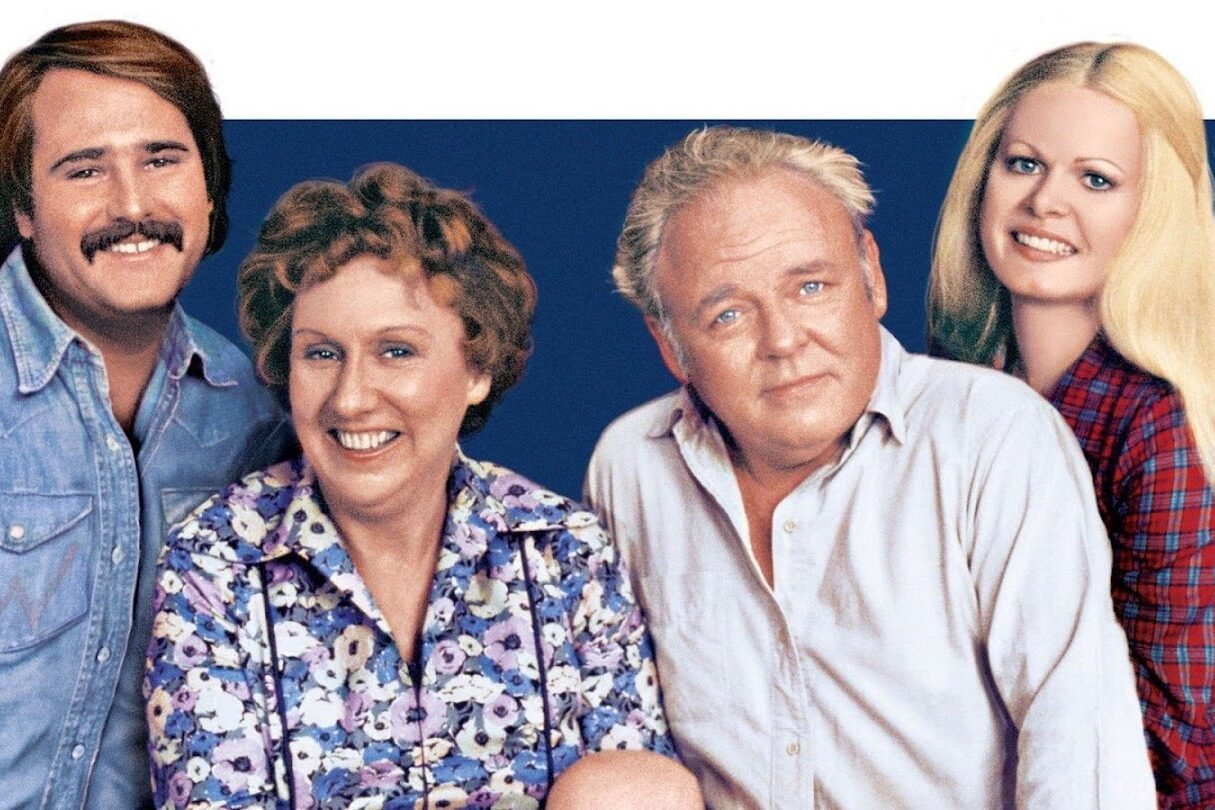
All in the Family wasn’t just a sitcom. It was a social earthquake wrapped in a laugh track. Before this show, TV mostly tiptoed around real issues. Then Archie Bunker showed up in his armchair with opinions that made people uncomfortable—and made them think. Suddenly, television wasn’t just about escape. It was about engagement.
It cracked open conversations about race, gender, politics, and generational divides in a way no one had seen before. Families weren’t just laughing together. They were debating during commercial breaks. And somehow, through all the tension, the love in that living room always found a way through. The show’s impact stretched far beyond its episodes. It set the tone for socially conscious storytelling, proving that comedy could carry the weight of real life and still leave room for heart.
MAS*H Balanced Humor with Heartache
Set in the Korean War but very much a mirror for the Vietnam era, MAS*H taught us that television could be smart, funny, and deeply emotional—all at the same time. It didn’t shy away from the horrors of war, but it didn’t forget that laughter was a way to cope with it either.
Every character felt like someone you knew. They made you laugh with quick wit and hurt with quiet losses. That finale alone still holds a record for the most-watched episode in television history, and not just because people loved the show. They felt it. MAS*H wasn’t just about the military. It was about humanity. The way it blended tone and tackled difficult themes set a new bar for TV storytelling, proving that even the saddest stories could be told with grace and humor.
The Mary Tyler Moore Show Redefined the Working Woman
When Mary threw that hat in the air, she wasn’t just celebrating a moment. She was launching a movement. The Mary Tyler Moore Show gave us a woman who was single, smart, and not defined by a man. She worked in a newsroom, had friends who felt like family, and faced everyday struggles with grace and grit.
This wasn’t about perfection. It was about possibility. Mary showed women that they could build a career, live alone, and still have a rich, meaningful life. The show balanced sharp writing with deep emotion and surrounded her with a cast of quirky, lovable coworkers who made you wish you could work at WJM too. It changed how women saw themselves on screen and in real life. And it made people believe that maybe, just maybe, you really could make it after all.
Roots Made History Personal and Unforgettable
When Roots aired in 1977, it was more than a TV miniseries. It was an event. Families gathered around their televisions night after night, completely absorbed by the multigenerational story of Kunta Kinte and his descendants. This was history that hurt. History that healed. And for many viewers, it was the first time slavery was depicted so honestly and powerfully in mainstream media.
What made Roots different was how deeply it made people feel. You didn’t just watch it. You lived through it with the characters. It sparked conversations in living rooms, classrooms, and government offices. It changed the way people thought about American history, identity, and representation. Television had never dared to look backward with such clarity before, and it left a mark that’s still felt today. Roots proved that television could be educational, emotional, and unforgettable all at once.
Happy Days Gave Us Nostalgia Before We Even Knew We Needed It
Set in the 1950s but wildly popular in the 70s, Happy Days offered comfort and charm in every episode. It gave us The Fonz with his leather jacket and cool confidence, but it also gave us warmth, laughter, and the kind of family moments we long for even now.
This show reminded us that it was okay to look back with love. It captured the innocence of jukeboxes, malt shops, and sock hops. But it wasn’t just about the past. It shaped the present by introducing characters that became icons and stories that felt timeless. It created a template for how to tell feel-good tales without being shallow. Even now, hearing that theme song can transport you straight into a booth at Arnold’s, ordering a shake, and grinning from ear to ear.
Good Times Made Us Laugh Through the Struggles
Good Times wasn’t afraid to show a side of life that had long been ignored on television. Set in a Chicago housing project, it followed the Evans family as they faced the everyday struggles of poverty, racism, and resilience. Yet through it all, they laughed. They loved. They kept going.
This show gave visibility to working-class Black families in a way that was both heartfelt and humorous. Florida and James were strong parents doing their best. J.J. was the comic relief but also a reflection of ambition and creativity. The show didn’t sugarcoat reality, but it also didn’t let hardship steal the joy. It helped audiences of all backgrounds see dignity in struggle and strength in family. That balance of realism and humor made Good Times a trailblazer in more ways than one.
The Brady Bunch Made Blended Families Feel Normal
With six kids, one bathroom, and a dad who was always calm no matter what, The Brady Bunch brought something new to American screens. It wasn’t just about big families. It was about blended families at a time when divorce and remarriage weren’t often acknowledged in entertainment.
The show wrapped its lessons in humor and harmony. Whether it was Marcia’s broken nose or Peter’s voice cracking during a song, every episode offered a small drama and a simple resolution. But beneath the laughs was a message that love could knit together even the most unexpected household. For many viewers, it was their first time seeing a family that looked like theirs. And for others, it planted the idea that love and unity were possible no matter how life rearranged itself.
The Jeffersons Took Representation to a New Level
The Jeffersons weren’t just movin’ on up in their theme song. They were moving representation forward with every episode. As one of the first sitcoms to center a successful Black family, the show broke barriers while delivering nonstop laughs. George Jefferson was loud and proud, and Louise was the graceful glue that held it all together.
The show wasn’t afraid to touch race, class, and cultural clashes with both comedy and clarity. It showed that success didn’t erase struggle, and that confidence could come from staying true to yourself. The Jeffersons taught audiences that representation didn’t have to be somber. It could be sharp, stylish, and side-splittingly funny. It proved that stories rooted in identity could still speak to everyone.
Three’s Company Dared to Push the Boundaries
With its misunderstandings, double meanings, and one man pretending to be gay to live with two women, Three’s Company raised eyebrows and ratings. It was risqué for its time but also incredibly charming, thanks to its physical comedy and lovable cast.
The show dared to challenge traditional ideas about gender and relationships without turning them into lectures. It played with boundaries in a way that made you laugh but also made you think. It showed that comedy could be a little cheeky and still be smart. And it carved a path for sitcoms to explore edgier premises with heart and humor. For many viewers, it was their first introduction to a more open, playful take on adult friendships and modern living.
Charlie’s Angels Showed That Women Could Be Both Fierce and Fabulous
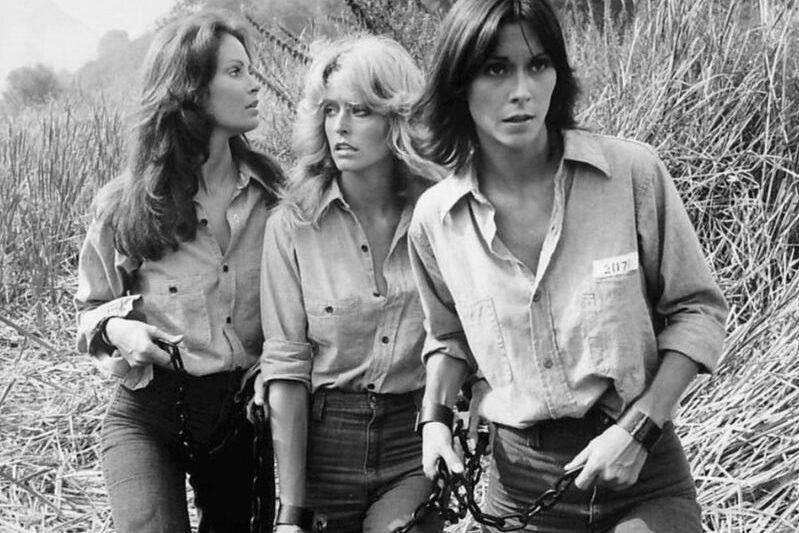
When Charlie’s Angels hit the screen, it redefined what action on television could look like. These weren’t damsels waiting to be saved. They were private investigators chasing down criminals, solving cases, and doing it all in style. For many viewers, especially young girls, this was the first time they saw women in charge of their own stories.
Farrah Fawcett’s feathered hair and Cheryl Ladd’s sharp moves became cultural touchstones, but the show went deeper than fashion. It proved that female leads could carry action, drama, and ratings. It walked the line between glamour and grit, and it made room for complex characters who could be strong and vulnerable. Charlie’s Angels gave girls permission to imagine themselves as heroes, not just sidekicks. That kind of representation matters more than ratings ever could.
The Electric Company Made Learning Look Cool
Before there was Sesame Street for the littlest kids, there was The Electric Company lighting up the screen for elementary-aged minds. This show mixed sketch comedy, music, and animation to teach reading and grammar in a way that felt like fun, not school. You didn’t just sit and watch. You participated.
With stars like Morgan Freeman and Rita Moreno, it had serious talent behind its playful spirit. Catchy jingles, funky graphics, and wild wordplay made learning addictive. You’d find yourself repeating phrases or humming songs that secretly drilled grammar rules into your brain. It was one of the first shows to prove that education didn’t have to be dull. For a whole generation, it turned the living room into a classroom filled with laughter and lightbulb moments. That spark has stayed with us ever since.
Little House on the Prairie Made Simplicity Powerful
Based on the books by Laura Ingalls Wilder, Little House on the Prairie slowed things down in the best way possible. Set in the late 1800s but aired during the rapidly changing 1970s, it offered a comforting reminder of simpler times. It was about family, survival, kindness, and the quiet strength found in everyday life.
The show’s emotional depth came through in every scene. Whether it was Pa playing his fiddle by firelight or Laura learning a tough lesson in the schoolhouse, the stories felt personal. It gave viewers space to feel, reflect, and remember what truly mattered. In a decade buzzing with change, Little House gave people a reason to sit together and reconnect with timeless values. It reminded us that even in hardship, love and integrity could carry us through.
Sanford and Son Gave Us Laughs That Hit Close to Home
With its catchy theme song and unforgettable father-son duo, Sanford and Son brought urban working-class life to the screen in a way that was loud, proud, and full of heart. Fred Sanford was grumpy, hilarious, and larger than life, while Lamont often played the straight man trying to keep everything together.
The humor was sharp and sometimes outrageous, but it was grounded in a love that never wavered. The show was one of the first to put a Black family front and center in a way that felt real and relatable. It also opened doors for future sitcoms to explore culture and character without sugarcoating or apology. Sanford and Son was messy, honest, and deeply human. And through all the jokes and one-liners, it told a story of family that resonated with everyone.
The Love Boat Turned Escapism into Appointment Viewing
Every Saturday night, The Love Boat offered a one-way ticket to romance, comedy, and ocean breezes. Set aboard a luxury cruise ship, it brought together a rotating cast of guest stars, zany storylines, and light-hearted love connections. It wasn’t trying to change the world. It was trying to make you smile. And it did.
The formula worked because it gave viewers a sense of consistency and fantasy. You knew the crew. You expected happy endings. And you got to see celebrities in unexpected roles, often showing their silly side. The Love Boat proved that not all groundbreaking TV had to be serious. Sometimes, the best thing a show can do is give you joy. It made people believe that fun, sun, and second chances could all exist within one magical hour.
WKRP in Cincinnati Made Radio Cool Again
Before podcasts and playlists, there was radio. And WKRP in Cincinnati gave us a behind-the-scenes look at the chaos and charm of a struggling station filled with misfits and dreamers. From Johnny Fever’s laid-back swagger to Les Nessman’s imaginary walls, the show captured a slice of workplace comedy that felt both absurd and incredibly familiar.
It was funny without being flashy, and clever without trying too hard. It also touched on real issues like censorship, race, and changing media culture, often with surprising depth. What WKRP did best was celebrate the weird, wonderful world of broadcasting while quietly championing individuality. It reminded us that behind every voice we hear is a story—and sometimes, a very messy office.
One Day at a Time Showed Strength in Single Parenting
This groundbreaking sitcom followed Ann Romano, a divorced mom raising two teenage daughters while trying to make ends meet. It was one of the first shows to depict single motherhood with honesty and heart, highlighting both the challenges and the victories that came with doing it all.
Ann wasn’t perfect. She got overwhelmed. She stood her ground. And she kept going. Her daughters pushed boundaries, made mistakes, and learned what it meant to grow up in a home where love was loud and lessons were hard earned. One Day at a Time offered viewers a reflection of real life and gave voice to families that had rarely seen themselves on screen. It reminded everyone that strength doesn’t always look like success. Sometimes it looks like showing up and trying your best every day.
Laverne & Shirley Turned Friendship into a Power Story
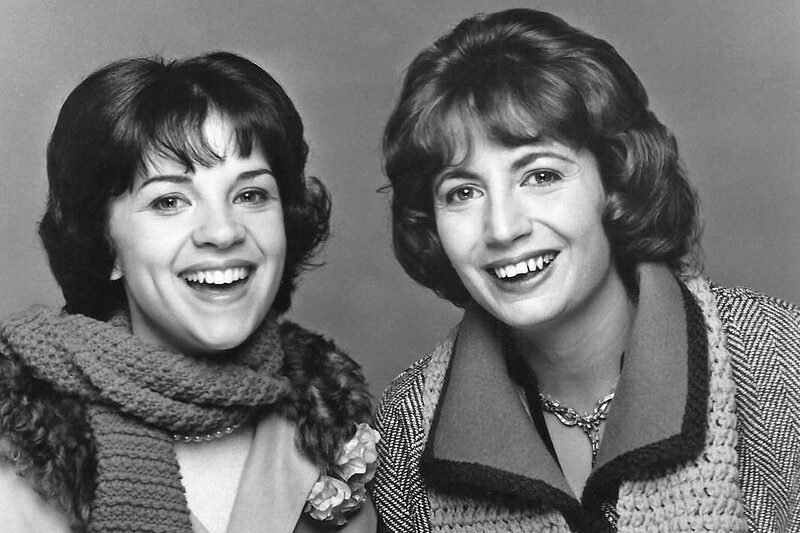
Spinning off from Happy Days, Laverne & Shirley took two working-class women in Milwaukee and made them household names. They weren’t chasing fame or fortune. They were chasing laughs, dreams, and the occasional bottle cap. Their misadventures at the brewery and beyond were equal parts hilarious and heartfelt.
What made this show special was its celebration of female friendship. Laverne and Shirley were wildly different but totally devoted to each other. They had each other’s backs through awkward dates, bad bosses, and everyday absurdity. It was rare to see women leading a show with this kind of comic freedom and emotional range. Their bond was the beating heart of the series, reminding viewers that sometimes the greatest love story is the one between best friends who never let go.