
“I’d Like to Buy the World a Coke” (1971)
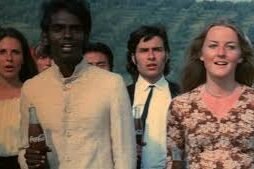
Few commercials have managed to blend harmony, branding, and a global message quite like Coca-Cola’s 1971 masterpiece. Set on a sunny Italian hilltop with a diverse group of young people holding bottles of Coke and singing in unison, the ad didn’t just sell soda. It sold unity. That iconic line, I’d like to buy the world a Coke, became more than a jingle. It became a cultural moment.
At the height of global tension and social change, this commercial stood out for its idealism. It showed a vision of peace, one sip at a time, and its tune stayed in our heads long after the credits rolled. The ad became so beloved that Coca-Cola eventually turned it into a full-length song called “I’d Like to Teach the World to Sing,” which climbed the charts. It wasn’t just an ad. It was a hope-filled anthem that made people believe in something bigger than a brand.
“Mean Joe Greene” Coca-Cola Commercial (1979)
This heartfelt ad is still one of the most beloved moments in television history. It starts with a weary Pittsburgh Steelers legend Joe Greene limping off the field and a young fan shyly offering him a Coke. What comes next, the famous smile, the thanks kid, and the jersey toss became instantly iconic.
The brilliance of this commercial was in its simplicity. It wasn’t flashy. It was emotional. It showed toughness melting into tenderness and captured a very human moment in a highly branded world. The ad resonated because it bridged generations. Kids saw kindness rewarded. Adults saw grace in greatness. It proved that even the biggest heroes have hearts and that small gestures can leave lasting impressions. Decades later, people still remember how that kid lit up and how Joe Greene walked away just a little lighter.
“Where’s the Beef?” by Wendy’s (1984)
In 1984, three little words made their way into American slang and never left. Where’s the beef? became the question on everyone’s lips after a sharp, funny commercial from Wendy’s poked fun at the oversized buns and tiny patties of their competitors. Clara Peller, the no-nonsense star of the ad, delivered the line with such perfect timing that it became a catchphrase far beyond fast food.
The ad was a hit not just for its humor, but for its point. It took direct aim at McDonald’s and Burger King without naming names, and it got results. Wendy’s saw a massive increase in sales and brand recognition almost overnight. Politicians started using the line in debates. Talk shows made parodies. And kids on playgrounds repeated it with glee. It was smart, simple, and unforgettable. The fact that people still quote it today shows just how much one well-timed joke can shape pop culture.
“Mikey Likes It” from Life Cereal (1972)
This commercial didn’t rely on flashy animation or over-the-top performances. It was just three brothers sitting at the breakfast table, daring each other to try something healthy. Mikey, the youngest, reluctantly takes a bite and ends up loving it. Mikey likes it became the surprise catchphrase of the year, and the ad became one of the longest-running in cereal history.
What made this ad resonate was how real it felt. The boys weren’t actors with polished lines. They looked like the kids next door. And Mikey’s surprised approval mirrored what every skeptical kid had felt at some point when trying something new. Parents loved it. Kids repeated it. And Life Cereal got a boost that lasted for years. The charm of this commercial wasn’t in its production. It was in the authenticity of childhood and the timeless truth that sometimes even picky eaters can change their minds.
“You’re Not You When You’re Hungry” by Snickers (2010, rooted in older campaign strategies)
Though technically released in 2010, this Snickers ad taps into decades of branding history and earned its place among generational icons almost instantly. Featuring Betty White in a muddy football game, it delivered a punchline that crossed age groups. You’re not you when you’re hungry became the kind of phrase that slipped into everyday conversations without even trying.
The brilliance of this campaign lies in its understanding of character and transformation. Snickers didn’t just sell a candy bar. It sold identity. It reminded people of how hunger can make us all a little off and how a single bite could bring us back. The campaign was rooted in a tradition of clever, personality-driven ads from Snickers that began as early as the 80s. This revival just updated the playbook with sharper timing and broader relatability. It reconnected generations to a brand they already trusted and gave them a laugh along the way.
“He Likes It! Hey Mikey!” from Life Cereal (1972)
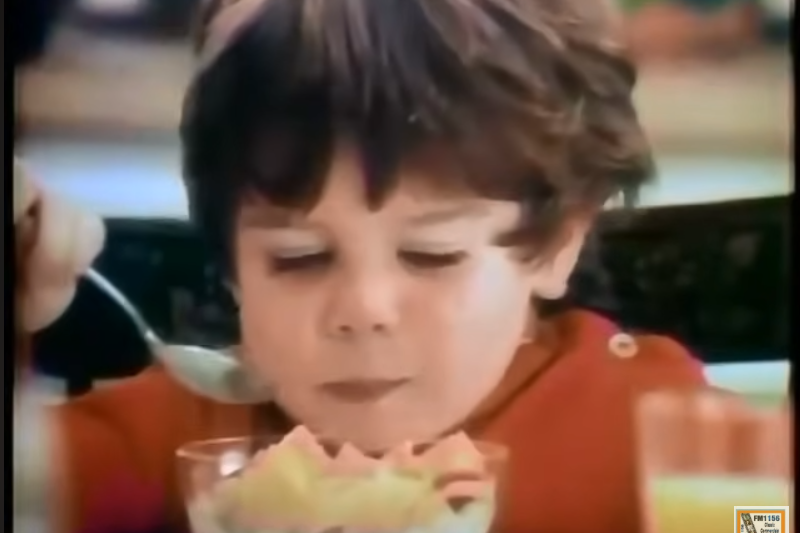
Yes, it’s so iconic that it deserves another mention because its cultural impact stretched far beyond the 1970s. This Life Cereal commercial ran for more than 12 years and was constantly replayed into the 80s and 90s, embedding itself in the minds of multiple generations. The beauty of the ad was its simplicity. Just three boys, a bowl of cereal, and the universal skepticism of trying something that looks too healthy to taste good.
It became legendary because it mirrored real life. Every household had a “Mikey” who would surprise you. That moment when the picky kid actually liked something turned into a metaphor we used for everything. New sneakers. A school lunch. Even a weird movie. If Mikey liked it, it had to be good. It’s proof that some of the most powerful marketing doesn’t come from million-dollar sets, but from the tiniest moments of honesty and charm.
“It Keeps Going and Going…” from Energizer (1989)
The Energizer Bunny didn’t just beat a drum. He beat the odds. What started as a simple parody of battery commercials turned into one of the most recognizable advertising icons of all time. The pink bunny with sunglasses and a relentless beat kept crashing other fake ads with his unforgettable entrance, and we ate it up.
This campaign did something genius. It interrupted itself. Just when you thought you were watching a different commercial, boom, here came the bunny. That level of surprise kept audiences engaged and turned a basic battery into a cultural powerhouse. The phrase it keeps going and going became synonymous with stamina, persistence, and even people who just never quit. Energizer took something invisible and turned it into an experience. Decades later, we still hear that drum in our heads every time something refuses to stop.
“Reach Out and Touch Someone” by AT&T (1979)
Before texting and social media, the phone call was king. And AT&T tapped into something emotional and timeless with its reach out and touch someone campaign. The ads weren’t about minutes or technology. They were about connection. They showed moms calling their kids at college, grandparents hearing a toddler’s voice, and long-distance friends laughing through the static.
The gentle melody and heartfelt tagline turned a utility into a lifeline. It reminded people that phones weren’t just for emergencies or logistics. They were bridges. The campaign ran through the 80s and into the early 90s, always emphasizing that hearing someone’s voice could change your whole day. For a generation that lived through pay phones and long-distance charges, this ad touched something real. It made calling feel like a loving act. And that idea stayed with us even as technology evolved.
“Time to Make the Donuts” by Dunkin’ Donuts (1982)
Fred the Baker, shuffling out of bed in the dark to make the donuts, became one of the most relatable characters on television. The phrase time to make the donuts wasn’t just a slogan. It was a rallying cry for anyone who had ever gotten up before sunrise to do something thankless but necessary.
This ad worked because it celebrated the unsung hero. It wasn’t flashy. It didn’t scream for attention. Instead, it honored routine, hard work, and the quiet pride of doing your job well. Fred’s tired face and quiet dedication made us all smile because we saw a bit of ourselves in him. Dunkin’ Donuts used that campaign for more than a decade, and Fred became a beloved figure. Even now, the phrase still pops up in jokes, memes, and nostalgic nods to early mornings and daily grinds.
“The Crying Indian” from Keep America Beautiful (1971)
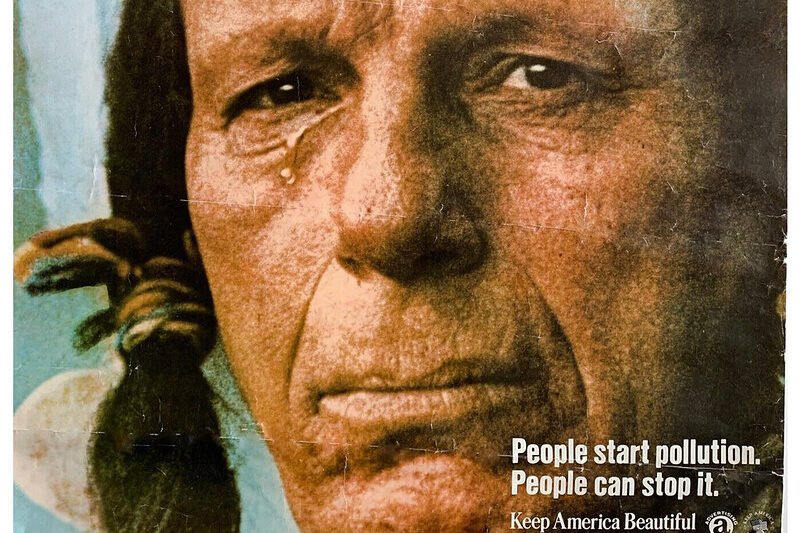
Though technically a public service announcement, this commercial left an imprint as deep as any brand. It showed a Native American man, played by actor Iron Eyes Cody, witnessing modern pollution and shedding a single tear as trash landed at his feet. That image became one of the most haunting and powerful moments in television history.
The campaign sparked national conversation about environmental responsibility and shifted the tone of how we viewed littering and conservation. It ran for years and became part of classrooms, community efforts, and government policy messaging. While the ad later came under scrutiny due to questions about casting and authenticity, its message endured. It created a new standard for how media could influence behavior for the greater good. That tear is something many still remember—because it wasn’t just about trash. It was about the loss of respect for the land and the call to do better.