
Complimentary Jell-O with Every Meal
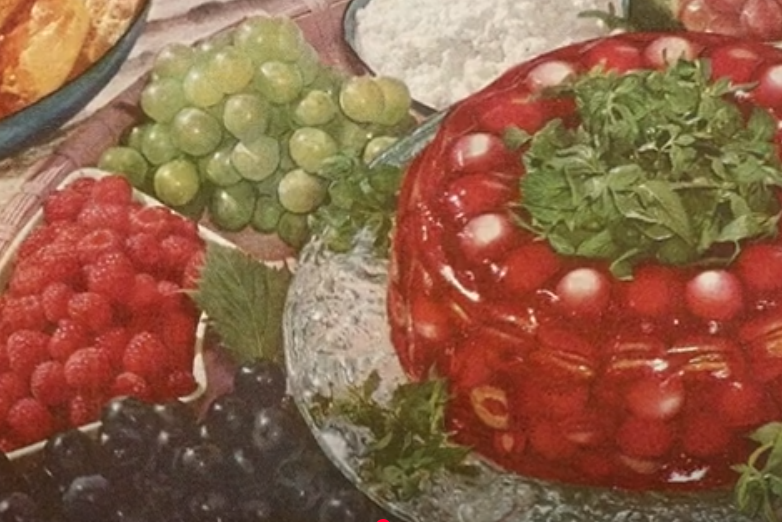
Once upon a time, no dinner plate was truly complete without a shimmering, jewel-toned square of Jell-O on the side. It came in bright reds, greens, and oranges, usually topped with a dollop of whipped cream or a stray cherry that looked like it had a story of its own. It wasn’t just dessert. It was tradition.
Jell-O side dishes spoke to a generation raised on the idea that a meal should be as colorful as it was filling. It wasn’t about luxury. It was about comfort, consistency, and a sweet little ending to your meatloaf and mashed potatoes. You didn’t ask for it. It just arrived, a quiet gesture from the kitchen that said, “You’re home here.” Today, you’d be hard-pressed to find Jell-O served unironically, let alone as a mainstay. And yet, for so many, that single quivering cube brings back memories of simple meals, linoleum floors, and waitresses who knew your name.
Phone Booths Near the Door
Before texting, before smartphones, before even cordless phones at home, restaurants had phone booths. They were tucked into corners near the restrooms or right by the entrance, behind folding doors that creaked with age. If you got an emergency call, someone would come to your table and say, “It’s for you.” And there was something magical about that.
These little cubicles weren’t just for emergencies though. People used them to call their babysitter, check in with the office, or even phone a friend to join them for pie. The booths gave diners a slice of privacy in public, a rare thing. Some restaurants even had a rotary dial in a glass box with a stool and a little shelf for your coffee. Today, the idea of stepping into a booth to make a call feels like something out of a museum, but the memory of it brings back a time when connection required effort, and a call from a restaurant felt special.
Rolling Dessert Carts
If you ever sat in a vinyl booth sipping a cup of weak coffee while a silver-wheeled cart creaked your way, you know the thrill. The dessert cart wasn’t just a way to display cake. It was theater. Covered in domes of glass or plastic, it showcased mile-high pies, layered parfaits, and cheesecake so thick it leaned slightly to one side.
The waitress would stop beside your table, lift the lid with flair, and let the sugary aroma seal the deal. You didn’t need to see a menu. The cart spoke for itself. Choosing dessert was an experience. You pointed. You whispered. Sometimes you begged your parents. And when that slice of chocolate layer cake finally hit your table, it was like winning a prize. Dessert carts made dining out feel special, like every night was someone’s birthday. They’ve disappeared from most places now, but their legacy lives on in the way we still light up at the sight of a cake stand.
Cloth Napkins Folded Like Art
There was a time when going out to eat meant dressing up just a little, and your table would greet you with neatly folded cloth napkins shaped like fans, swans, or even roses. It felt like a tiny luxury, even in the most modest places. That folded fabric told you, this isn’t just a meal. This is a moment.
Restaurants once prided themselves on these little gestures. The napkin was part of the choreography of dining. It rested on your lap. It was dabbed, never wiped. And at the end of the meal, you folded it gently, out of respect for the experience. Today, paper napkins or rolled-up utensils in paper sleeves have taken over. They’re practical. But they don’t give you that same sense of ceremony. For anyone who grew up in an era where cloth napkins were the norm, unfolding one now can still trigger memories of slow meals, special outings, and tables where everything had its place.
Tableside Salad Tossing
Before salad bars and QR code menus, many restaurants added a touch of showmanship to even the simplest dishes. If you ordered a Caesar salad, it wasn’t just brought to your table. It was made there. A cart would arrive. A bowl would appear. And with a rhythm only waiters knew, the dressing was whisked, the lettuce tossed, the parmesan shaved all in front of your wide eyes.
This wasn’t fine dining. This was dinner with flair. It felt personal, like your meal was being prepared with care right at your elbow. Some servers even had their own signature toss, spinning the bowl with a dramatic flick of the wrist. It turned a starter into an event. Today, pre-packaged dressings and corporate prep kitchens have wiped out most of this old-school charm. But those who remember the ritual of a tableside salad know how special it felt to have your meal begin with a moment of real-life flavor theater.
Mints or Matches at the Exit
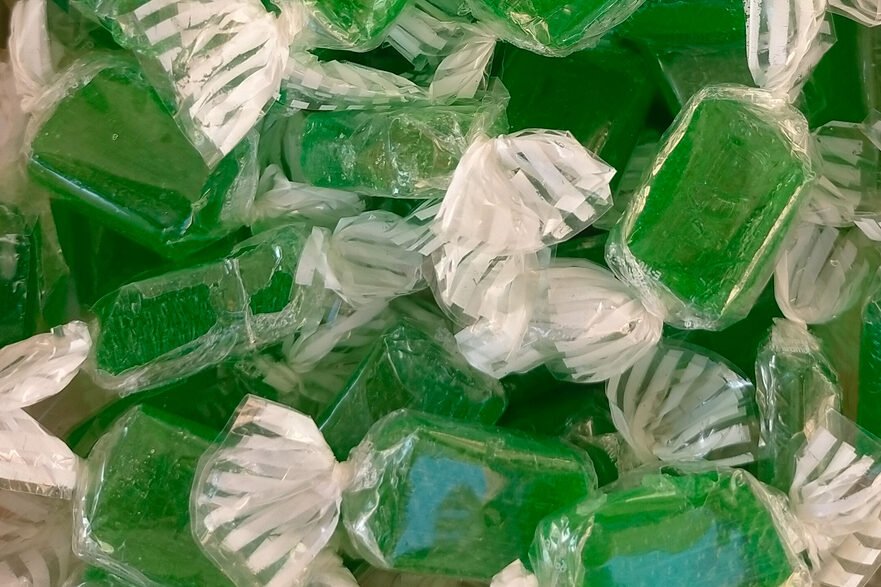
As you left the restaurant, maybe with leftovers in a foil swan or your coat draped over your arm, you’d see the bowl. Green mints, sometimes butterscotch candies, or little boxes of matches with the restaurant’s name printed in gold script. You grabbed one without thinking, but it always felt like a tiny gift.
These parting tokens were a restaurant’s final thank you. The mint was a nod to hospitality. The matchbook was a reminder to come back. Some people collected those matchbooks, storing them in jars or albums like postcards. They marked time, taste, and memory. The little things at the exit held weight. Today, it’s rare to see either one. Candy dishes have vanished, and matchbooks are relics from a time when smoking after dinner was expected. But for those who remember, that last gesture, the mint between your fingers or the matchbook in your pocket was the kind of detail that made a place unforgettable.
Waitresses Who Knew Your Order by Heart
Before loyalty apps and digital profiles, there were waitresses who remembered everything. They didn’t need to write it down. They knew you wanted your eggs over easy, rye toast dry, and coffee with two sugars. You didn’t have to say a word. Just showing up was enough. And it made you feel seen in a way that few services can replicate today.
These servers didn’t just know your name. They knew your routine. They remembered your stories. If you didn’t come in for a few days, they asked about you. For many older diners, this wasn’t just breakfast. It was connection. The kind you built slowly, booth by booth, cup by cup. Today, with high turnover and fast-paced dining, it’s hard to find that same intimacy. But those who lived through it carry those relationships in their hearts. They remind us that food isn’t just about the plate. It’s about the people who served it, and the way they made us feel like we belonged.
The Jukebox at Every Table
The sound of quarters dropping into a tabletop jukebox is something younger generations may never fully understand. These mini music machines gave diners the power to choose the soundtrack of their meal. You’d flip through the tiny pages behind the glass, carefully selecting the perfect song to match your mood or impress your date.
Whether it was Elvis, Patsy Cline, or The Beatles, hearing your pick crackle through the speakers felt like a small triumph. And if someone else chose a tune that got your foot tapping, it sparked a shared moment between strangers. It wasn’t just music. It was an ambiance. It turned dining out into an experience. Now, we all carry songs in our pockets, but back then, choosing one in public felt more personal. It was community-driven, spontaneous, and sometimes hilariously out of sync. But that was the beauty of it. The jukebox brought life to the diner and left behind echoes that still hum in our memories.
Table-Side Butter Pats on a Silver Tray
Before the rise of single-serve butter packets sealed in foil, many restaurants offered butter on tiny glass or silver trays. Often chilled and pre-sliced into delicate curls or pats, it arrived with warm bread and a quiet sense of elegance. Some places even molded them into little rosettes or squares with the restaurant’s monogram pressed in.
These small touches weren’t about luxury. They were about care. Even in the humblest roadside diners, that butter tray said, “We’ve thought about your experience.” It added texture to the table and charm to the meal. The ritual of spreading soft butter on fresh rolls before your plate arrived was part of the dining rhythm. Today’s butter packets are efficient, but they lack the grace of those old trays. If you were lucky enough to grow up with them, that simple detail still lingers in your memory like the clink of ice in a glass or the rattle of silverware being wrapped in cloth.
Children’s Menus with Games and Crayons
The moment a server placed a colorful, foldable children’s menu on the table with a few stubby crayons on top you knew you had something to do while waiting. These menus weren’t just about chicken fingers or grilled cheese. They were filled with tic-tac-toe, word searches, and connect-the-dots.
For kids, this was everything. It kept boredom at bay and made eating out feel like an event. For parents, it bought precious minutes of calm. There was something deeply satisfying about scribbling on those pages while the grownups chatted over iced tea. Some restaurants even hung up the best kid drawings near the front, a gallery of laughter in crayon and ketchup fingerprints. Today, with tablets and smartphones, the ritual of kids coloring quietly at the table is fading. But those menus were more than distractions. They were invitations. A welcome mat for little diners to feel just as important as the adults across the table.
The Server Who Brought the Check with a Mint and a Smile
In the days before handheld payment machines and emailed receipts, there was a graceful little tradition that wrapped up the meal just right. After dessert or coffee, the server would return with the check folded inside a black vinyl presenter. Inside, along with the bill, was often a single mint or sometimes two if they liked you.
That mint meant something. It wasn’t just about fresh breath. It was a final note of hospitality. A soft thank you. Maybe even a little signal that you were welcome back anytime. Servers didn’t rush the process. They’d smile, check in one last time, and let you know your visit mattered. It was a moment of closure that tied the whole experience together. These days, transactions can feel more like a swipe and a nod. But for those who remember the mint, the soft clink of change, and the warmth of that final gesture, it was the sweetest part of all.