
The Sacred Ritual That Started at Sunrise
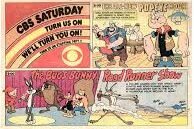
For every kid growing up in the 70s, Saturday mornings were sacred. They weren’t just a time slot. They were a feeling. The moment your eyes opened, you didn’t check your phone or scroll through apps. You jumped out of bed, still in your pajamas, and made a beeline for the TV. With a bowl of cereal in hand, you settled into the carpet, surrounded by the soft glow of cartoons and the stillness of a house not yet fully awake.
There was no streaming. No rewind button. If you missed your favorite show, that was it. You waited a full week for it to return. That anticipation made every moment feel precious. Kids didn’t just watch cartoons. They experienced them. They memorized the theme songs, imitated the voices, and laughed with their siblings until their sides hurt. It wasn’t just about what was on the screen. It was about the rhythm of a childhood moment that felt entirely your own.
Cartoons Were a Weekly Escape from Real Life
Life in the 1970s could be uncertain. There were economic challenges, cultural shifts, and limited ways to entertain yourself outside the home. But come Saturday morning, all of that melted away. Shows like Super Friends, Scooby-Doo, and The Bugs Bunny/Road Runner Hour turned living rooms into portals of possibility.
Cartoons gave kids a world where good always triumphs over evil, where laughter echoed louder than grown-up worries, and where heroes wore capes or rode mystery vans. It was a weekly reset, a chance to believe in magic, justice, and adventure. And it wasn’t just passive entertainment. Kids were pulled in, cheering for their favorite characters, booing the villains, and quoting lines for the rest of the week. That kind of escape wasn’t frivolous. It was necessary. It helped kids make sense of a complicated world by reminding them that fun, color, and imagination could still rule the day.
Commercial Breaks Were Part of the Excitement
Before the age of binge watching and ad-free subscriptions, commercial breaks were baked into the Saturday morning experience. But far from being a nuisance, they were something kids actually looked forward to. These weren’t just interruptions. They were glimpses into a dream world of new toys, sugary cereals, and upcoming holiday specials.
You’d run to the kitchen during a break, refill your bowl, maybe switch seats with your sibling, and race back just in time. The ads themselves became iconic. Whether it was Stretch Armstrong, Cap’n Crunch, or Light Bright, these commercials weren’t background noise. They were part of the culture. Kids absorbed them just as deeply as the cartoons themselves. They even sparked conversations at school. Did you see that new toy commercial? Are you getting that cereal? In a way, these ads helped shape the very rhythm of being a 70s kid.
You Knew the Lineup by Heart
In the 1970s, kids didn’t need an app or guide to tell them what was on. They knew. Each network, ABC, CBS, and NBC, had its own Saturday morning lineup, and kids planned their mornings around them like seasoned schedulers. You knew that The Smurfs were coming at 9, followed by Fat Albert, then Josie and the Pussycats if you flipped the channel just in time.
There was strategy involved. You had to choose between shows airing at the same time and make peace with the ones you missed. And somehow, it made you feel grown up. You were managing your own time, setting priorities, and building routines. These lineups weren’t just programming blocks. They were events. Friends at school would talk about the big crossover episodes or who caught the season premiere. And you couldn’t fake it. If you missed something, you had to wait a whole week to try again. That built-in scarcity made every cartoon appointment viewing in the truest sense.
Cartoons Taught Us More Than School Some Days
Beneath the slapstick and silly voices, Saturday morning cartoons often delivered messages that stuck with us longer than any classroom lecture. Shows like Schoolhouse Rock slipped in catchy tunes about multiplication, history, and grammar. Fat Albert and the Cosby Kids tackled real-life issues like peer pressure, honesty, and respect without ever feeling preachy.
These shows didn’t just entertain. They made kids think. They showed that kindness mattered, that teamwork was essential, and that being different wasn’t something to hide. In an era before social media and constant messaging, cartoons gave us early ideas of right and wrong in a way we could understand and absorb. They taught empathy and problem-solving, often through laughter. Looking back, it’s clear those lessons were more than filler. They were foundations. And the fact that we still remember the lyrics to Conjunction Junction proves just how deeply those lessons landed.
The Cereal Was Just as Important as the Show
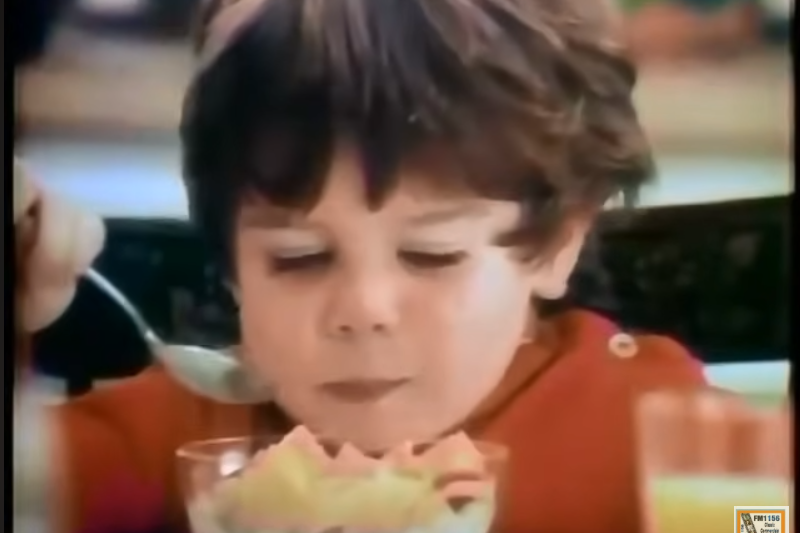
Saturday mornings weren’t complete without a bowl of your favorite sugary cereal. For a 70s kid, it wasn’t just breakfast. It was part of the ritual. You picked the brightest box, maybe for the prize hidden inside or the colorful maze on the back, and poured as much as your bowl and your stomach could handle.
The commercials had done their job well. You had been waiting all week to dig into Fruity Pebbles, Count Chocula, or Honey Comb while watching your favorite characters come to life on the screen. And if your sibling grabbed the toy inside first, a full-scale negotiation usually followed. The taste, the crunch, the cartoon each one added to a memory that was more than the sum of its parts. That moment of sitting cross-legged on the carpet, spoon in hand and eyes locked on the screen, felt like pure childhood joy. The cereal was your fuel, but the memory? That was the real treat.
Siblings Became Built-In Cartoon Buddies
In the 70s, families often had one television, maybe two if they were lucky. So Saturday mornings were not a solitary affair. They were a full-house experience. Brothers and sisters piled onto the couch, argued over which show to watch, then eventually settled into a rhythm of shared laughter and commentary.
There were fights, of course who sat closest to the screen, who got the last bowl of cereal, who talked over the punchline. But there was also bonding. Cartoons became shared references, inside jokes, and childhood code. You’d mimic voices together, act out scenes in the backyard, and repeat lines until your parents begged for silence. These moments shaped relationships. They gave siblings a common language and created memories that lasted far longer than the shows themselves. Even today, a single theme song can send everyone back to that couch, that morning, and that feeling of being together in something that mattered.
It Was One of the Only Times Adults Let Kids Be in Charge
For just a few hours each week, kids ruled the TV. No news. No soap operas. No lectures about chores. Saturday morning belonged to the children. It was a brief window when grown-ups often stayed in bed a little longer or quietly read the paper while the kids took over the living room.
There was power in that freedom. You could switch channels, choose your favorite episodes, and completely lose yourself in a world that spoke your language. You didn’t need adult approval. You just needed a working remote or quick fingers on the dial. That taste of independence, though small, was significant. It gave you the sense that your interests mattered and that your time could be your own. For many kids, that feeling of autonomy was rare during the week, making it all the more magical when it arrived. Those hours were proof that sometimes joy is found in simply being trusted to choose.
Holiday Specials Were the Super Bowl of Cartoons
While regular Saturday mornings were special, holiday episodes took things to another level. When a Christmas or Halloween cartoon special aired, it felt like the world paused for a moment. These weren’t just episodes. They were events. A Charlie Brown Christmas, Garfield’s Halloween Adventure, and The Fat Albert Halloween Special became annual traditions, like turkey at Thanksgiving or fireworks on the Fourth of July.
You circled the date in the TV Guide. You reminded your parents to let you stay up later. And when the time came, you watched with awe. These specials blended seasonal excitement with beloved characters, giving even more meaning to the holidays. They made the buildup to celebrations feel bigger and brighter. And even now, when one of those vintage specials comes on, it takes you back to a time when joy could be found in the flicker of a screen and the warmth of a familiar story.
It All Ended at Noon and That Made It Mean More
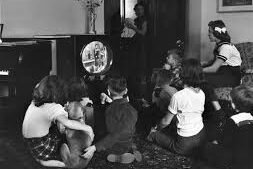
There was a bittersweet rhythm to Saturday mornings. Around noon, the cartoons would fade out and regular programming would begin, usually news, sports, or educational content. That was your signal. The magic hours were over. You had to move on with the day. But in a way, that time limit was part of what made the experience so special.
Because it didn’t last forever, it demanded your full attention. You soaked in every minute, knowing it wouldn’t come again until next week. That weekly cadence created anticipation, patience, and appreciation. It made you value time in a way kids today, with endless streaming, may never fully understand. Saturday morning cartoons taught an entire generation how to savor joy while it was happening, how to make space for fun, and how to say goodbye when it was time. And those lessons, tucked inside laughs and cereal spoons, are the ones that still stay with us long after the credits rolled.