
Front Porches Were the Original Social Media
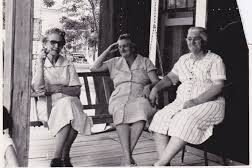
In the 1970s, if you wanted to catch up on the latest news, you didn’t scroll, you strolled. Front porches were more than decorative features. They were gathering spots. You’d find moms sipping iced tea while keeping an eye on the kids, dads unwinding after work, and neighbors dropping by just to chat about nothing and everything. The hum of conversation floated across lawns like music.
These porches were the heart of neighborhood communication. No one needed a group chat. If something was happening, it would come up during a porch talk. Birthday plans, garage sales, new babies, or a kid who got in trouble at school, it all came through porch gossip, face-to-face. That simple rhythm of pausing outside, waving to someone, or sitting for a few quiet moments in the evening sun created a sense of connection that was warm and grounding. It made the neighborhood feel like an extension of your own home.
Kids Roamed Freely Until the Streetlights Came On
Before GPS tracking and constant texting, freedom for kids came in the form of a bicycle and a vague promise to “be back before dark.” You didn’t need plans. You just showed up. The streets were filled with the squeak of swings, the bounce of basketballs, and the slap of flip-flops as packs of children explored every alley, field, and front yard within a few blocks.
Streetlights weren’t just about safety. They were the neighborhood’s natural clock. Once they flickered on, you knew it was time to wrap up the game, say goodbye, and pedal home. Parents didn’t panic if they couldn’t reach you. They trusted the unspoken rules of the community and the chorus of watchful neighbors who’d keep an eye out. That trust, that freedom, created a childhood full of adventure, scraped knees, and deep-rooted confidence. It’s a rhythm many now miss in the age of screen alerts and check-ins.
Block Parties Were the Highlight of the Year
Every summer, like clockwork, someone on the street would bring out a grill and a boom box, and the block party would begin. Cars were moved to make room for picnic tables, kids ran wild with sparklers or snow cones, and the adults danced to Motown hits while balancing paper plates full of potato salad. These were the unofficial holidays of 70s neighborhood life.
Block parties weren’t events. They were experiences. No RSVP was needed. You just showed up. Maybe your mom brought her famous macaroni casserole, and your dad helped with the grill. You met cousins of neighbors, tried your first slice of upside-down cake, and ended the night with watermelon and fireflies. These moments stitched people together. They created bonds that lasted well beyond the folding chairs and coolers. For anyone who grew up in a 70s neighborhood, those parties were the soundtrack of community and joy.
The Ice Cream Truck Was Your Summer Alarm Clock
The distant jingle of the ice cream truck drifting through the streets was enough to spark chaos and pure joy. Kids would drop their jump ropes or bikes and run inside to scramble for coins. You didn’t need a weather app to know it was a good day. The ice cream truck told you. Its song was both a promise and an invitation to indulge in the happiest part of summer.
Every neighborhood kid had their go-to treat, whether it was a Fudgsicle, Firecracker pop, or a cone with the gumball at the bottom. And somehow, eating it outside while the sun beat down and the pavement radiated heat made it taste better. The truck didn’t just deliver ice cream. It delivered freedom, excitement, and the unshakable feeling that the world was simple and sweet. Even now, just hearing that tune can take you back to the sticky-fingered bliss of summer afternoons in a pre-digital world.
Neighborhood Watch Wasn’t an App, It Was Real People
In the 70s, safety didn’t come from doorbell cameras or motion sensors. It came from your neighbors. Everyone knew who lived where, whose kid belonged to which house, and who was supposed to be on the street. If something seemed off, you could count on a watchful adult peering through the window or stepping outside to check.
There was a sense of ownership and care that defined those communities. If your bike got left in someone’s yard, they brought it back. If your dog got loose, five people helped you look. There wasn’t a need for constant alerts or security apps because people were present. They noticed. They spoke up. That kind of communal awareness created a deep sense of belonging. Knowing that someone always had your back made the neighborhood feel more like a giant, messy, beautiful family.
Kids Played Games in the Middle of the Street
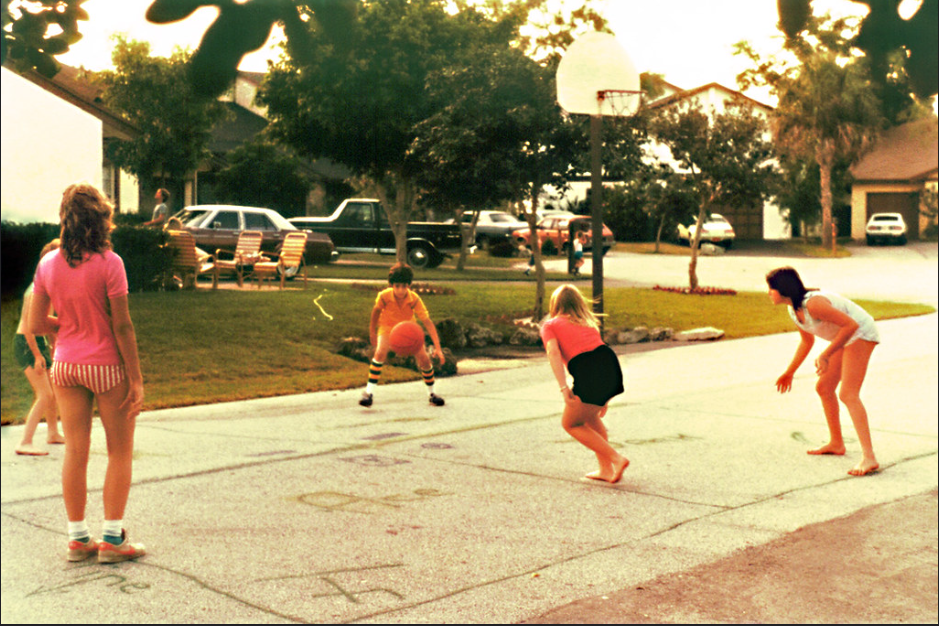
In a 70s neighborhood, the street itself was a playground. On any given afternoon, you’d see hopscotch drawn in chalk, a football game in full swing, or a line of kids setting up for kickball. Every car that passed would slow down and be greeted with a wave and a quick scramble to the curb. Once the coast was clear, the game continued like nothing ever happened.
These games taught more than just rules. They taught negotiation, teamwork, and how to laugh when you lost. There were no apps tracking your steps, but you ran for hours. No need for planned activities just open space and a few creative minds. You learned to make fun out of nothing. That kind of spontaneous, unsupervised play bred creativity and courage. For many, the street wasn’t just asphalt. It was the place where childhood happened, where friendships formed, and where memories took root.
Every House Had a Clothesline and a Story
Step into any backyard in the 70s and you’d likely see white sheets billowing like sails and socks flapping in the breeze. The sound of clothespins snapping shut and the smell of sun-dried laundry were part of the neighborhood rhythm. Laundry day was visible, audible, and even social. You might wave to a neighbor over a line of t-shirts or strike up a chat while hanging towels in the sun.
These clotheslines told stories. You could tell which house had a new baby, who just got back from summer camp, or who had visitors staying over. It was a quiet, everyday ritual that gave the neighborhood color and life. Today’s dryers have made it all invisible, but back then, it was just another way neighbors stayed connected. Those long lines of laundry felt like extensions of each family’s heartbeat, fluttering out in the open, reminding you that life was happening in every direction.
The Local Store Was the Center of Everything
Every neighborhood had that one corner shop. It might have sold penny candy, comic books, soda in glass bottles, and maybe even bait for fishing. But more than anything, it sold community. Walking to the store was an event, not a chore. You might go with a handful of change, but come back with more than gum. You came back with a little piece of the world.
The shop owner knew everyone’s name. You’d hear local news while waiting in line or run into someone who would ask about your parents, your report card, or your birthday. These places weren’t corporate. They were personal. They had bulletin boards with handwritten notes, local flyers, and missing cat posters. The store wasn’t just where you got your favorite treat. It was where the pulse of the neighborhood could be felt in every aisle and every checkout smile.
Driveways Were Hotspots for Garage Bands and Skate Practice
During the 70s, a driveway wasn’t just for parking. It was a stage, a skating rink, and a workshop. If someone had a garage band, you’d hear guitar riffs and drumsticks tapping all through Saturday afternoon. Kids would gather with makeshift instruments or busted radios, dreaming of rockstar futures or simply just making noise together.
Other driveways turned into obstacle courses. Skateboards zipped down the slope while someone tried to master their first ollie. You’d see roller skates wobble across cracked concrete and cheers when someone finally stayed upright. These spaces weren’t curated or picture-perfect. They were real, raw, and filled with energy. The driveway was where creativity and chaos met, a backdrop for learning new skills and laughing at the fails. Today’s neighborhoods might be quieter, but those 70s driveways were bursting with life and imagination.
Everyone Had a Role in the Neighborhood Ecosystem
In 70s neighborhoods, everyone played a part. There was the lawn guy who mowed on Saturdays without fail, the retired lady who knew every child’s name, the teen who babysat three houses in a row, and the one neighbor who always had the best Halloween candy. These weren’t roles people auditioned for. They just naturally filled them, becoming beloved figures in the community story.
This unspoken ecosystem gave the neighborhood stability. If you were a kid, you knew where to go if you needed help or a glass of water. If you were a parent, you trusted the network of eyes and ears keeping watch. Everyone mattered. Everyone contributed. That tight-knit structure helped build relationships that lasted for decades. It made the neighborhood feel less like a collection of houses and more like an extended family, where people were seen, known, and valued.
School Yards Stayed Alive After the Bell
When the final bell rang, most kids didn’t rush home. Instead, they stayed behind on the playground, trading stickers or finishing a game of tag. The swings still creaked, the tetherballs still swung wildly, and the laughter lingered long after class was over. The schoolyard didn’t stop being fun just because the teacher left.
Parents weren’t hovering in cars or glued to phones. Kids walked home in groups or stayed just long enough for the sun to dip. That after-school time was golden. It was when secrets were whispered, plans were made, and crushes were revealed over hopscotch. The school itself was more than a building. It was a daily destination for social life and unsupervised freedom. For many, those post-school hours were the best part of the day, filled with mischief, joy, and tiny moments that still live on in memory.
Lawn Chairs and Bug Zappers Ruled Summer Nights
As dusk settled in, families would pull out their folding lawn chairs and sit out front while fireflies danced in the air. The adults talked about their day or listened to baseball on a crackling radio. A bug zapper hummed and sizzled quietly in the background, and someone down the street might light a citronella candle or spray Off! like it was magic.
Summer nights weren’t spent inside glued to screens. They unfolded slowly, under wide-open skies, with neighbors waving across driveways and kids still barefoot from a day of play. You’d hear frogs, crickets, maybe a harmonica from a distant porch. It was slow living at its best. A time when the day eased into night without rush. And even if nothing “big” happened, it felt full. Because the people around you, the sounds, the smells, and that soft pink light of sunset all blended into something unforgettable.
Bulletin Boards Were Your Neighborhood Feed
Before Facebook groups and email lists, community bulletin boards were the go-to place for everything happening in town. You’d find them in the grocery store entrance, the post office, or taped up on the window of that mom-and-pop diner. They held the heartbeat of the neighborhood in flyers, notes, and Polaroids.
Lost pets, piano lessons, bake sales, car washes, if it mattered, it was on the board. Kids would stop to look at the colorful push pins or hand-drawn signs, while adults paused to jot down a phone number for a babysitter or lawn service. These boards were messy, imperfect, and completely alive. They told you who needed help, who was offering it, and what good thing was happening next. That physical space of shared information connected people in a way no algorithm ever could. It was human, hopeful, and handwritten.
Paperboys Delivered More Than News
Every morning or evening, depending on your town, you’d hear the soft thunk of the newspaper hitting your front steps. Sometimes it landed perfectly. Sometimes it rolled into the bushes. But no matter what, the paperboy came. Rain or shine, with a canvas bag slung across his chest and determination on his face.
These kids weren’t just delivering headlines. They were part of the neighborhood fabric. You saw them grow up, knew their families, and maybe even gave them extra for the holidays. They earned their own money and took pride in doing a real job. Parents trusted them. Neighbors appreciated them. In a time when news came printed, not pushed to your phone, those paperboys and girls connected the community with a sense of purpose and reliability that’s hard to replicate today.
The Street Itself Was a Living, Breathing Thing
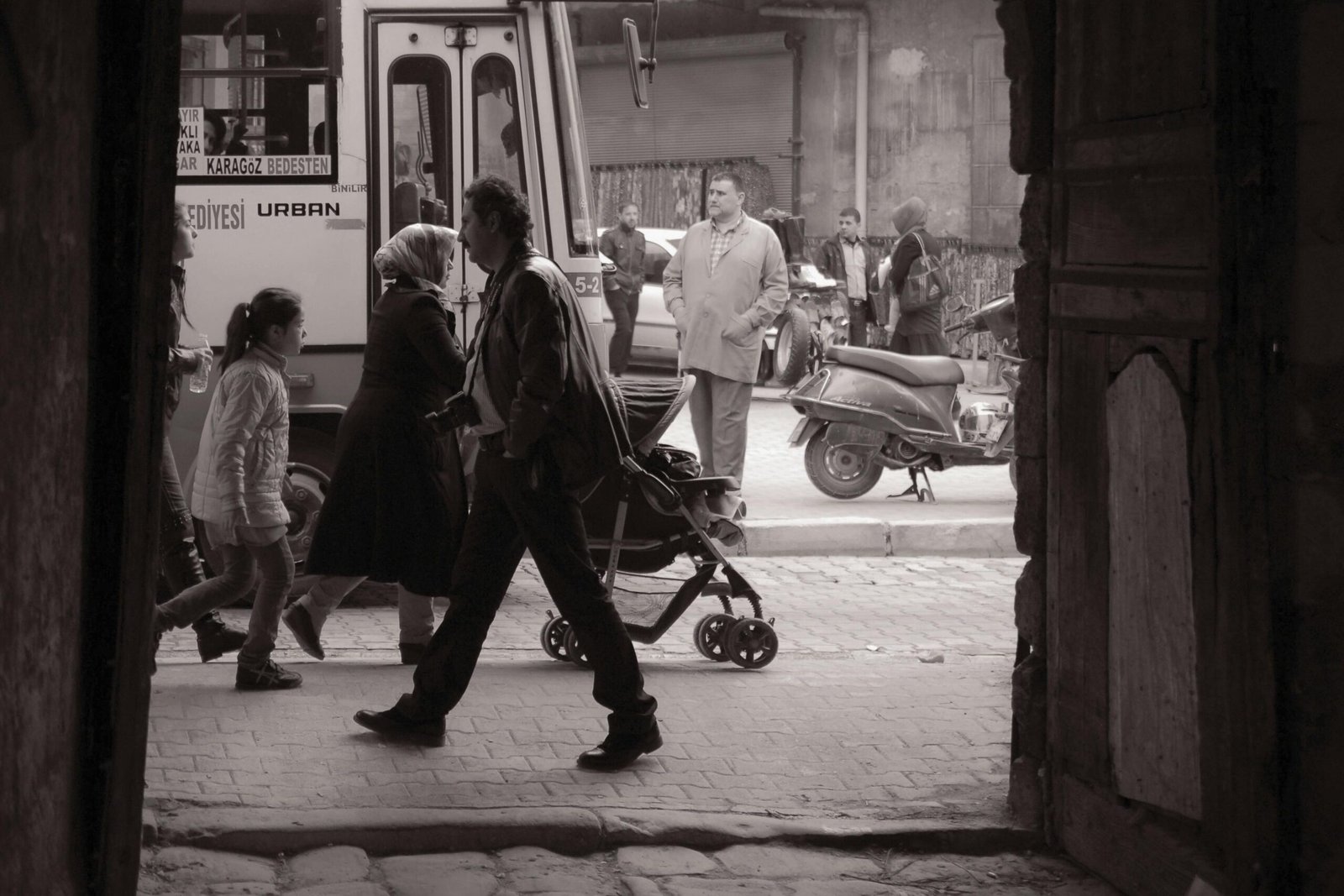
Every crack in the sidewalk had a story. Every tree stump was a base in someone’s game of tag. The street wasn’t just something you drove on. It was something you lived on. It carried the sound of skates, radios, gossip, and late-night laughter. It soaked in the heat of the day and glowed under the moon.
Kids made chalk masterpieces. Dogs stretched their leashes. Teens walked slowly, hoping to be seen. The street held it all without judgment. It bore witness to first kisses, scraped knees, block-wide games, and everyday miracles. In the 70s, the street wasn’t a backdrop. It was a character in the story of your neighborhood life. And though it may still be there, quieter now and crossed by fewer feet, its echoes are still felt by those who once called it their playground, their runway, their world.